
When Love Hurts: How a Lack of Self-Love Turns Our Parenting and Partnerships Toxic

Share
By Ntombenhle Khathwane
We often say “love is enough.” But the truth is, not all love is healthy. Not all love heals. In fact, some of the most damaging experiences in our lives were done in the name of “love.”
Many of us parent, partner, and live from a place of emotional deficit, trying to give what we never received. But when we don’t love ourselves, when we don’t feel worthy, when we’ve never been shown what real love looks like, our love becomes anxious, controlling, over-sacrificing, fearful, guilt-ridden, or even manipulative. And while we believe we’re protecting or giving, we are often wounding the very people we love.
This is toxic love, and it can become a silent inheritance we pass down to our children, over and over, unless we become aware and intentional.
What Is Toxic Love?

Pexel Images
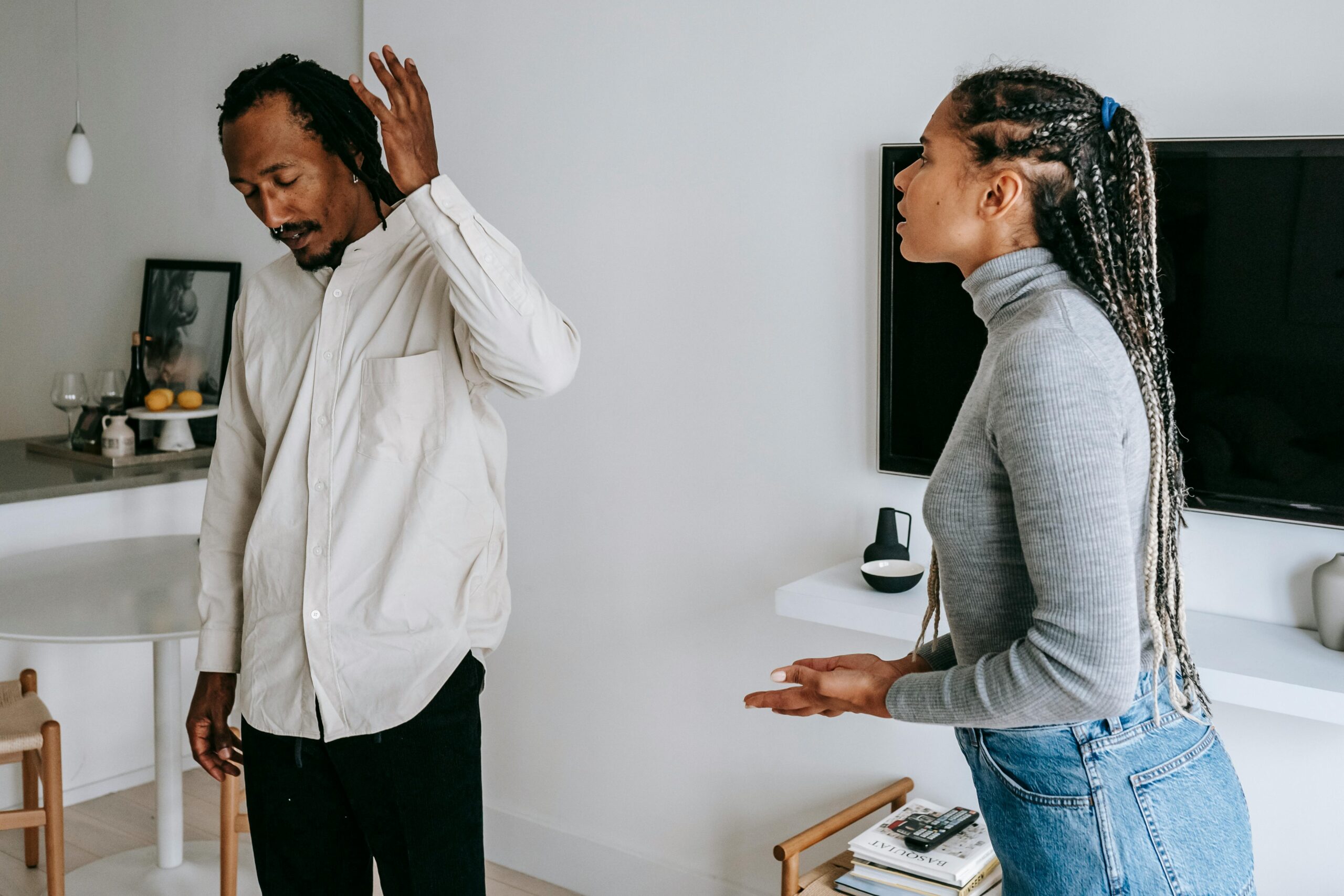
Toxic love is not always loud, violent, or abusive. Sometimes, it wears the mask of “doing everything” for someone. It hides behind sacrifice. It hides behind the idea of “I only want the best for you.” But what makes it toxic is that it is rooted in fear, control, and insecurity, not in true, grounded love.
Real Love vs. Toxic Love — Especially in Parenting
|
REAL LOVE |
TOXIC LOVE |
|
Sets boundaries |
Controls or monitors obsessively |
|
Encourages independence |
Creates dependency (emotional or practical) |
|
Affirms worth without conditions |
Gives love based on obedience/performance |
|
Listens openly |
Invalidates or silences emotions |
|
Apologises and grows |
Refuses accountability |
|
Leads with trust |
Leads with guilt or fear |
|
Empowers the child |
Projects own wounds onto the child |
How Lack of Self-Love Warps the Way We Love
When we do not love ourselves, we love from wound, not from wholeness.
What we call “love” becomes a survival strategy, and that’s why it feels exhausting, anxious, and heavy.
Thembi’s Story: When Unhealed Pain Becomes Parenting Style

Pexel Images
I had a dear friend I’ll call Thembi. She grew up in a family of six, raised by her father. When she was nine, her dad went to study in the UK for four years, from age 9 to 13, some of the most sensitive years of emotional and psychological development. During that time, he left his sister to care for the children.
But Thembi’s aunt was in an abusive relationship. So instead of being raised in warmth and stability, Thembi and her siblings were exposed to shouting, violence, fear, and emotional abandonment.
Her nervous system learned: “I am not safe. I don’t matter. I’m not worth protecting.”
As a teenager, she began seeking male attention desperately. She entered relationships for validation, not connection. None of them were healthy. She kept repeating the same pattern, loving people who treated her the way she felt about herself: unworthy.
Only in her early 40s did Thembi start therapy. She began the long process of untangling her worth from what she did or didn’t get from her father. She learned that his absence was not her fault. That his choices had nothing to do with her being lovable.
Thankfully, her father is still alive, and they are now healing together.
How Thembi’s Pain Became Her Parenting Style
When Thembi became a mom in her 20s, she thought she would “do better” than her father. And in many ways, she did. But because she hadn’t done the inner work yet, her love carried her unhealed wounds.
Here are some of the ways that pain showed up as toxic love in her parenting:
She gave her children everything, clothes, expensive schools, gadgets, and not from joy, but from fear that they would feel the same emptiness she once felt. When they didn’t express constant gratitude, she felt personally rejected.
She confided in her children about her romantic problems. She made them her emotional support system, unintentionally reversing the parent-child roles.
When her teenage daughter wanted to pursue art instead of accounting, Thembi shut it down. “I just want you to be secure,” she said, but underneath was the fear that failure would reflect on her as a mother.
One moment she would yell, the next she would apologise by buying gifts. Her children didn’t know what to expect, which created anxiety and emotional confusion.
Her “love” looked like effort on the outside, but felt heavy, confusing, and conditional to her children.
How Do We Heal This?

Pexel Images
The answer isn’t perfection. It’s awareness + action.
Here’s how we begin healing and move from toxic love to grounded, nourishing love:
1. Develop Self-Love First
Self-love isn’t selfish, it is the foundation of how we relate to others. When we affirm our worth, we stop needing others to do it for us.
Start small:
2. Learn What Real Love Feels Like
Real love is calm. It’s safe. It doesn’t control, force, or guilt.
We can learn this through therapy, healthy friendships, spiritual connection, or even books and podcasts that model emotionally mature love.
Ask yourself: Does my love create freedom? Or fear?
3. Apologise and Rebuild Trust
It’s never too late. When you realise you’ve been loving from a wounded place, you can name it and apologise, even to your child.
You don’t need a grand speech. Just honesty:
“I’ve realised that sometimes I made you feel responsible for my emotions. That’s not your job. I’m working on healing that.”
4. Allow Your Children and Partner to Be Whole
Let them disagree. Let them have boundaries. Let them have feelings without needing to fix them.
Healthy love is not about molding people into what makes youfeel safe. It’s about holding space for who they are.
Final Word: Love, But Make It Healing
Love is not about doing everything. It’s about doing what is true, kind, and safe.
When we confuse anxiety, guilt, control, or fear with love, we pass down trauma wrapped in tenderness. And that’s not fair to the children or partners who depend on us.
The good news is: we can change. We can learn what love really is.
We can go to therapy, breathe through our triggers, reparent our inner child, and choose to love with open hands and a steady heart.
Because the most powerful gift we can give, is a love that feels like freedom.


