
Rewriting how children think: Inside Loren Lachman’s book Make Your Brain POP

Share

Through the power of language and everyday moments, she is helping parents shape confident, capable children from the inside out.
For Loren Lachman, parenting is not only about meeting a child’s physical needs. It is about shaping how they see themselves and what they believe is possible. As a mother of three and the author of Make Your Brain POP, her work sits at the intersection of neuroscience, language and everyday family life.
Her journey into mindset work began long before her children spoke their first words. During her first pregnancy, while reading about early development, she discovered that by the third trimester, babies can recognise voices and remember speech patterns in the womb. That moment shifted everything.
“My unborn child was marinating in my voice, my words,” she says. “That made me hyper-aware of my language.”
It was not only about what she would say to her child, but how she spoke to herself. “I understood then that language is one of the most powerful tools we have for shaping minds, including our own.” That realisation propelled her deeper into mindset work and eventually into writing her book, Make Your Brain POP, which is now available nationwide at Exclusive Books and Readers Warehouse.
Loren Lachman | Supplied
As she stepped into motherhood, Loren found herself overwhelmed by the sheer volume of parenting resources available. There were guides for feeding, sleep routines and developmental milestones. Every physical need seemed to have a manual. Yet something essential felt missing.
“We are genuinely spoilt for choice when it comes to preparing for our child’s arrival,” she explains. “But when it comes to the mental and emotional preparation, the part that actually determines whether they will reach their potential, there is nothing. We just wing it.”
This gap became the driving force behind Make Your Brain POP. Loren set out to create something practical and accessible. A guide grounded in research, but written in a way that feels easy to understand and apply in daily life.
At the heart of her work is a simple but powerful idea: growth mindset. In everyday terms, it is the belief that abilities are not fixed, but can be developed over time.
“Growth mindset thinking is about understanding that your intelligence can expand, your abilities can develop and your capabilities can grow through effort and practice,” she says. “Your brain is like a muscle. It gets stronger with use.”
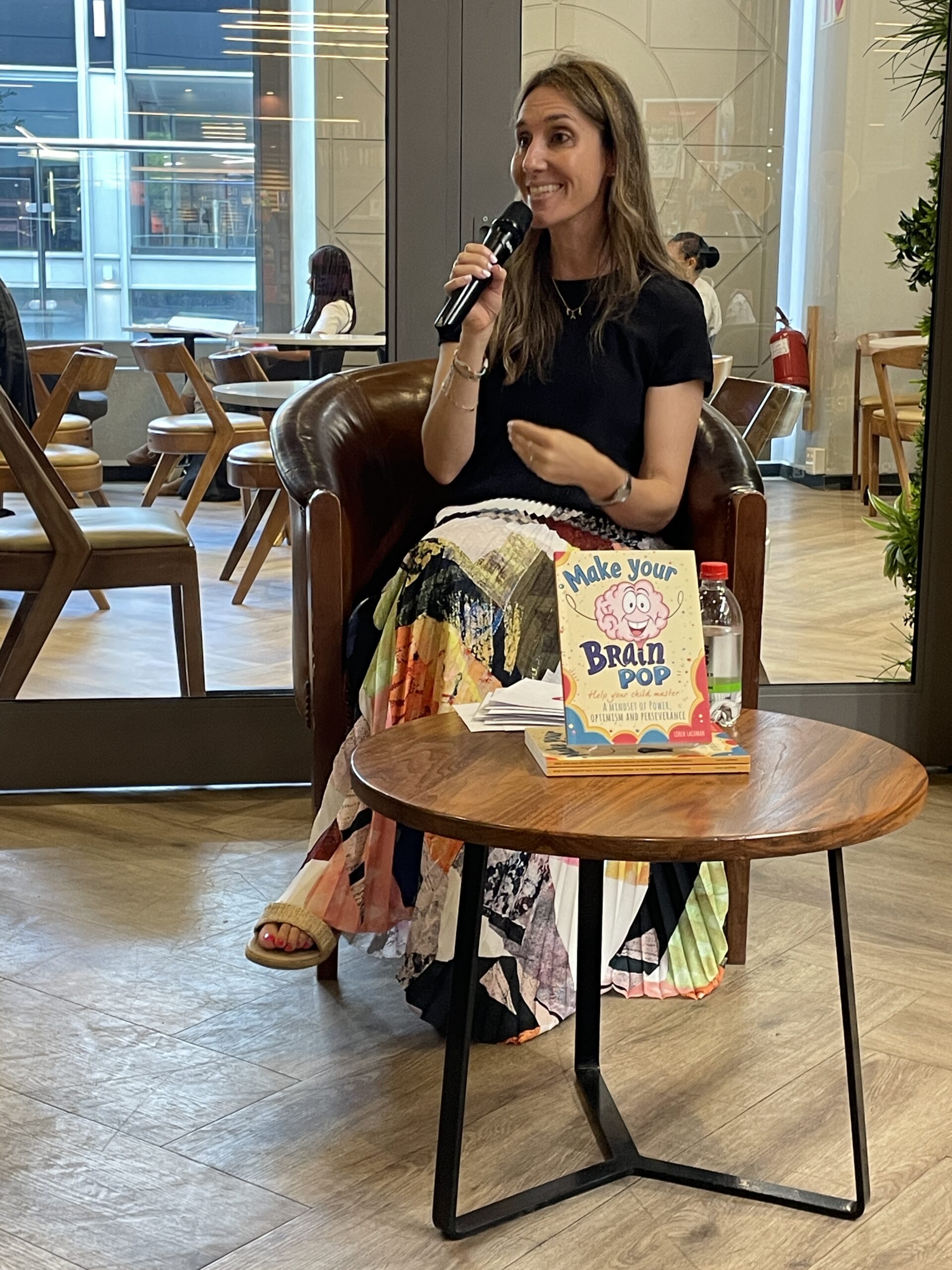
Loren Lachman | Supplied
This shift in thinking changes how children approach challenges. “When you truly internalise this, potential stops being something you have and becomes something you build,” she adds.
One of the most common ways parents unknowingly shape their children’s mindset is through praise. Loren points out that even well-meaning words can have unintended consequences.
“Most parents have no idea they are doing it, even with the best intentions,” she says.
Phrases like “You’re so smart” or “You’re a natural” may sound encouraging, but they can create pressure. “Their brain hears, I succeeded because I am smart. And if I am smart, I should not have to try hard.”
The problem comes when a child faces something difficult. “If I have to work hard at this, maybe I am not actually smart,” she explains.
Instead, Loren encourages parents to focus on effort and process. “You worked so hard on that” or “I can see the effort you put in” helps children understand that growth comes from trying. “Their brain learns, I succeeded because I tried. And if I keep trying, I will keep improving.”
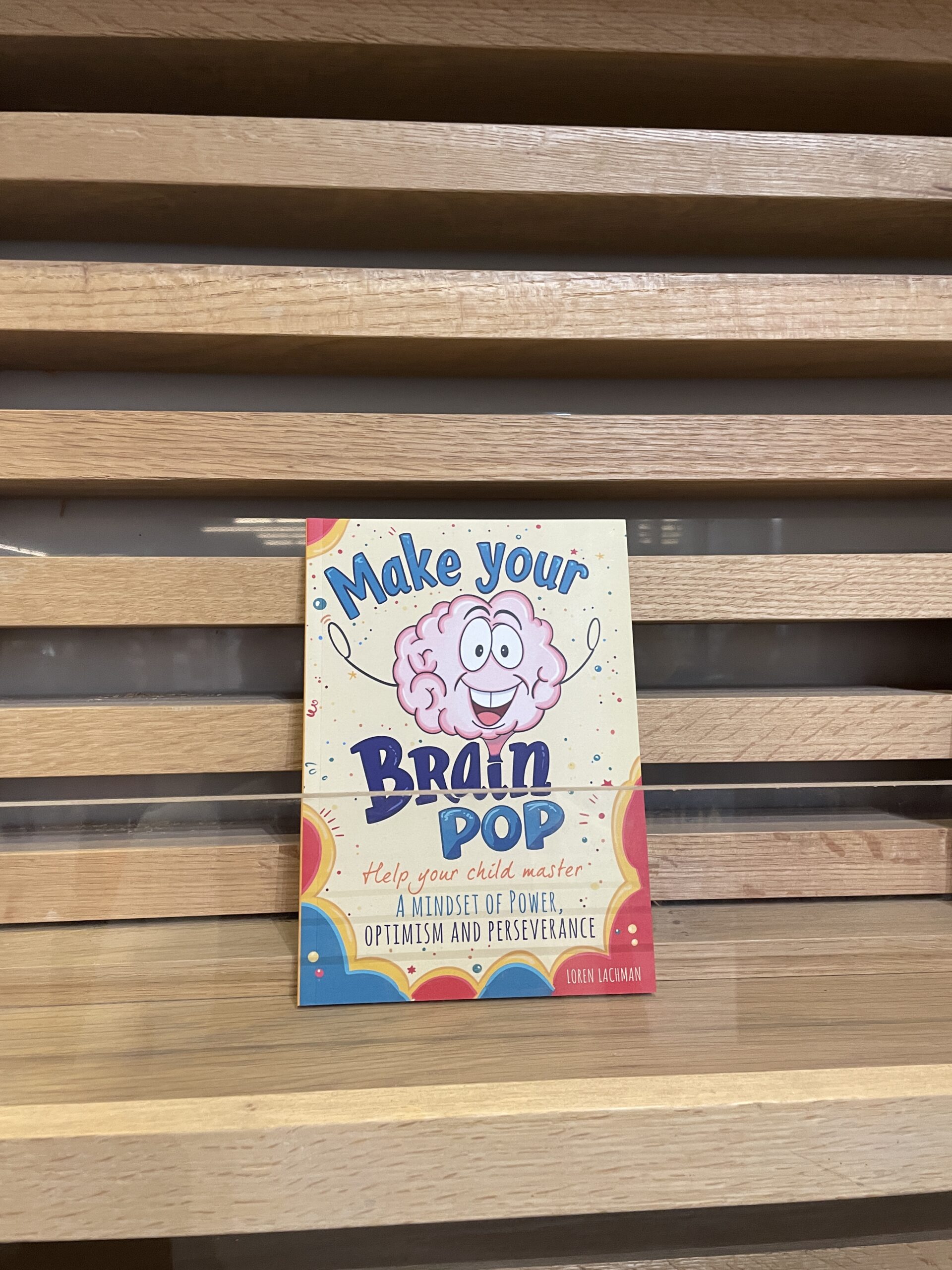
Make Your Brain POP by Loren Lachman | Supplied
Translating complex psychology into everyday parenting tools was an important part of Loren’s writing process. Drawing on research, including the work of Carol Dweck, she created what she calls “Brain POPs”.
“These are useful nuggets of information, little takeaways and teachable moments that you can use in real time,” she explains. “Because we are never done learning, we are never finished developing.”
The process of writing the book also held up a mirror to her own habits.
“I am still learning and still catching my own fixed mindset language,” she says honestly. “This is not something you perfect overnight. It is something you practise daily.”
There are days when it comes naturally, and days when it does not. But she has come to understand where real change happens. “Growth happens in the micro changes that we make. We are forever growing and developing as human beings.”
For many families today, one of the biggest challenges is the culture of comparison. Children are constantly measuring themselves against others at school, in sport and online.
“Our kids are swimming in comparison,” Loren says. “And social media is a curated highlight reel of everyone else’s best life that makes your child’s real life feel inadequate.”
Rather than trying to remove comparison completely, she encourages parents to create a different standard at home.
“If you are not deliberately building an internal measuring stick, the external one becomes their default,” she explains.
That shift shows up in the questions parents ask. “Instead of asking, ‘Did you win?’ ask, ‘What did you learn? How can you improve?’ Instead of, ‘What did you get?’ ask, ‘Do you understand the work better than before?’”
At home, she keeps it simple and consistent. “I tell my kids, the only person you are competing with is who you were yesterday.”
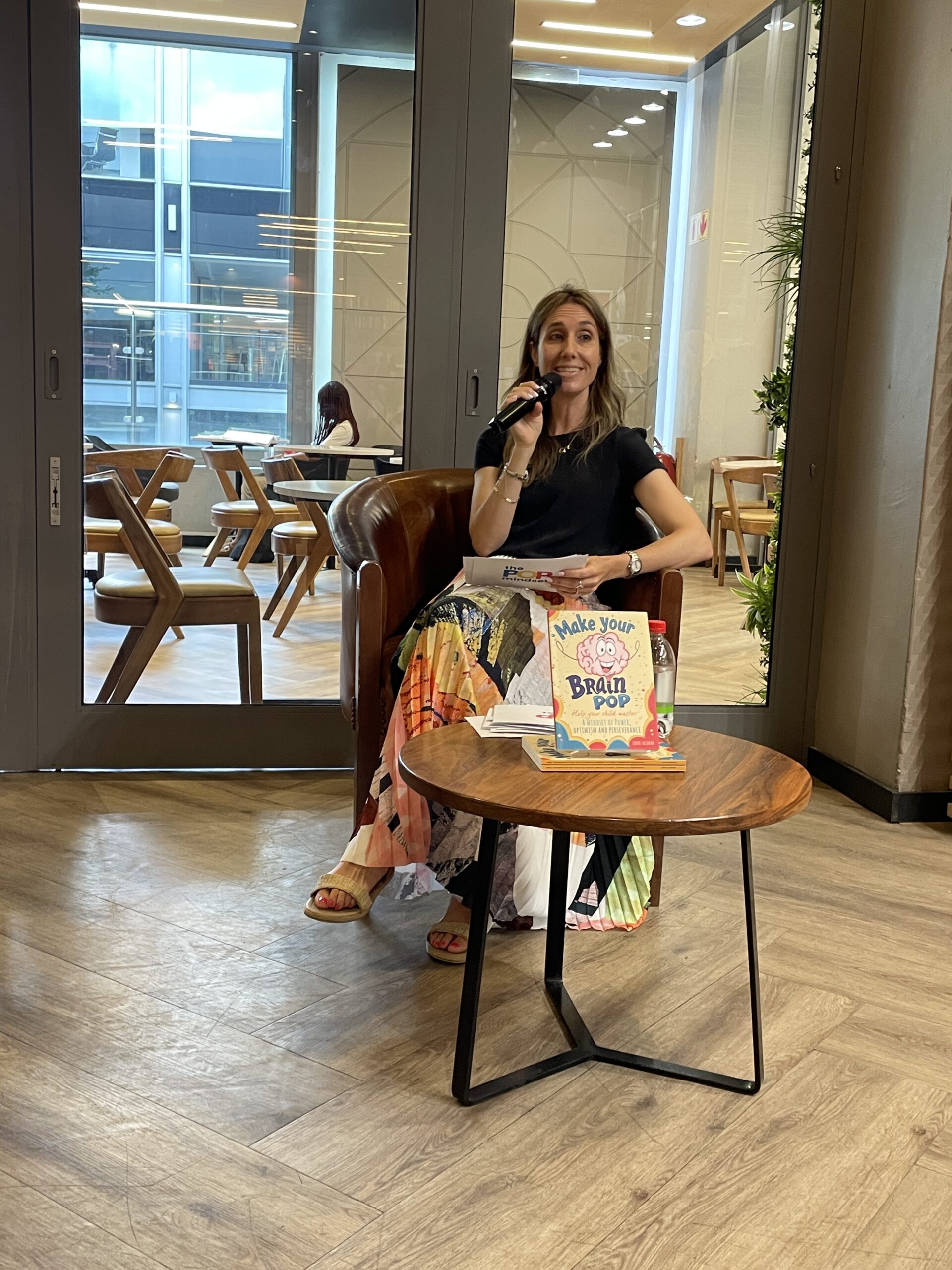
Loren Lachman | Supplied
Over time, this shapes identity in a powerful way. “I am someone who tries hard. I am someone who keeps going when things are difficult. I am someone whose brain is always growing.”
This approach is especially important in a time when many children are experiencing high levels of anxiety. Despite having more opportunities than previous generations, many feel overwhelmed by pressure and fear of failure.
“We are seeing brilliant children with infinite potential operating at a fraction of their capacity,” Loren says. “Not because they lack ability, but because they have never learned how their brains actually work.”
Her POP framework addresses this through three key pillars: power, optimism and perseverance. Together, they help children believe in their potential, see possibility in challenges and build resilience through effort.
“We cannot eliminate struggle,” she says. “But we can teach our children that struggle is the mechanism of building something new.”
For Loren, the message she hopes parents carry with them is both simple and deeply important. Their role is more powerful than they may realise.
“You are not a passive observer of who your child is becoming,” she says. “You have an active role in shaping their mental success.”
And that role lives, largely, in the words you use every day.
“Words are not just words. Words build beliefs, beliefs build pathways and pathways become identity,” she explains. “They are the blueprint for how we see ourselves and what we believe is possible.”
In the middle of busy routines and everyday demands, Loren’s work is a reminder that small moments matter. A conversation after school, a response to a mistake, a word of encouragement. These are the building blocks of a child’s inner world.
When nurtured with intention, they become the quiet foundation of confidence, resilience and lifelong growth.
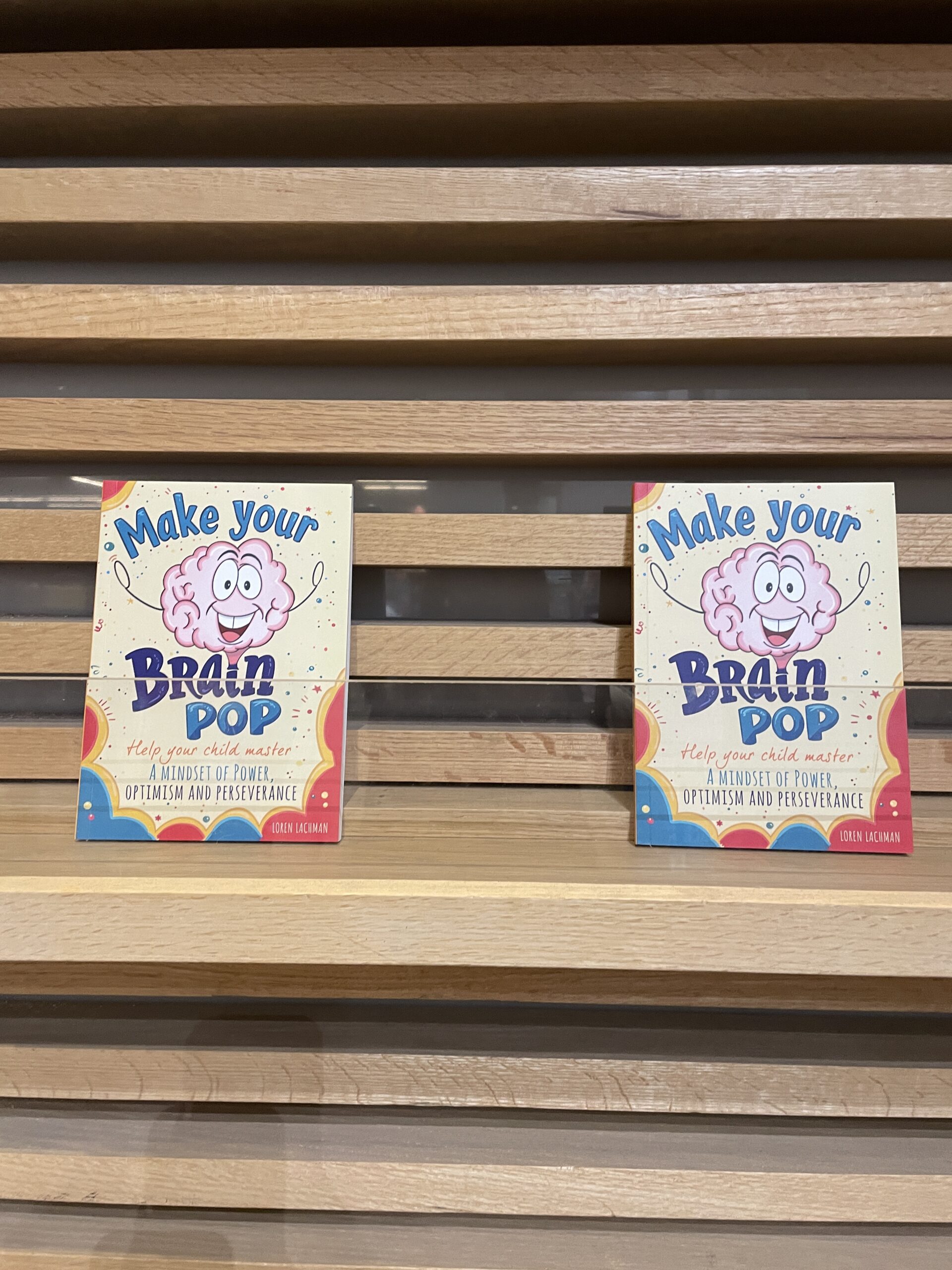
Make Your Brain POP by Loren Lachman | Supplied


