
1 in 10 South African families never played together, according to LEGO® Play Well Study

Share
New findings from the LEGO® Play Well Study revealed that 92% of South African parents wished they could play more with their children, while one in ten families said they never played together at all.
The research also pointed to a powerful opportunity for parents. Just five hours of family play a week was enough to significantly improve family happiness and wellbeing; less time than many families spent commuting, watching TV or scrolling on phones each week.
Supplied by LEGO South Africa
To help reverse the play deficit, LEGO® South Africa launched its Never Stop Playing campaign, which reminded parents that even small moments of play could have a lasting impact on children’s creativity, confidence and wellbeing.
According to the LEGO Play Well Study, globally almost half (44%) of families were not meeting the five-hour play threshold, highlighting a growing challenge facing families around the world.
“As a parent myself, I know how easy it is for the day to fill up with school, work and everything else competing for your attention,” said Valeriy Kasimov, Country Manager for South Africa at The LEGO Group.
“What I’ve learnt is that children don’t need elaborate plans or expensive activities. Sometimes the most meaningful moments come from simply sitting down together and playing. Even 30 minutes of building together, fun role play activities and creating fantasy worlds of your own can give children the confidence to explore their ideas and express who they are.”
The play paradox in South Africa
The LEGO Play Well Study, conducted among 30,000 parents and 15,000 children aged 5–12 globally, found that while parents increasingly recognised play as essential for children’s wellbeing and happiness, work, screentime and household chores were squeezing it to the margins.
In South Africa, parents identified workload, household chores and homework as the leading barriers to family playtime, while 38% cited a lack of safe spaces as a barrier to playing together more often.
Key South African findings included:
- 59% of parents said their children played less than they did at the same age
- 32% of children said they were not happy with how much they played
- 1 in 5 children said they did not play at all
- More families spent time on screens than in shared play each week
Children were already feeling the impact, with over a quarter saying that they were dissatisfied with how much they played.
Yet parents consistently recognised its value, saying that play helped build stronger family relationships, supported children in making sense of the world and developed critical life skills including creativity, confidence and resilience.
Helping families bring play back
Drawing on the findings from the LEGO Play Well Study, LEGO South Africa’s Never Stop Playingcampaign aimed to spark a national conversation around the importance of shared play between parents and children.
At the heart of the campaign was the Pledge to Play, which encouraged families to commit to 30 minutes of uninterrupted play together. Whether it was building with LEGO bricks, creating imaginary worlds or inventing games together, the movement reminded parents that meaningful play didn’t need to be complicated; it just needed to happen.
Parents and children could take the pledge by visiting www.lego-gybc.co.za/play.
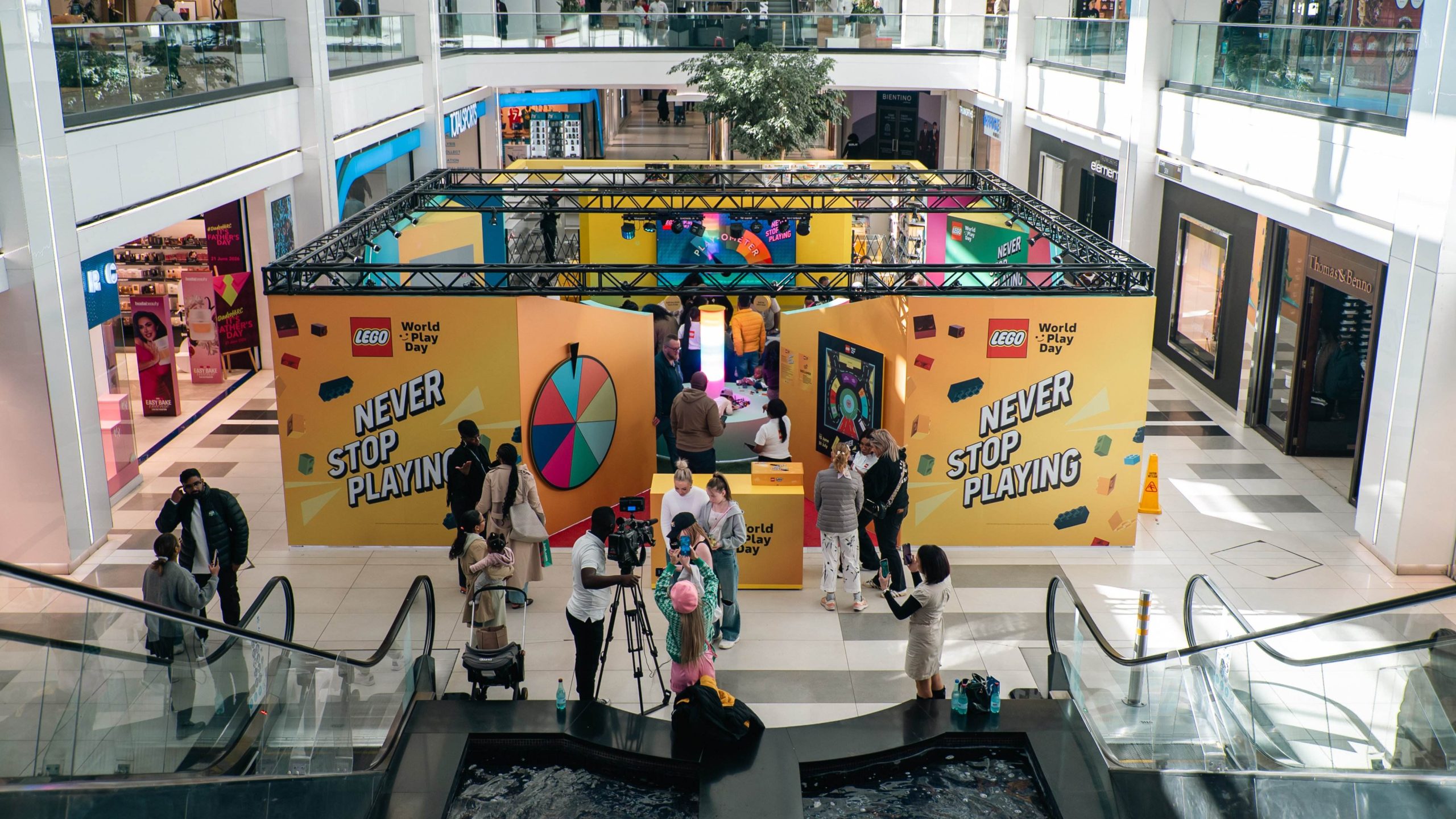
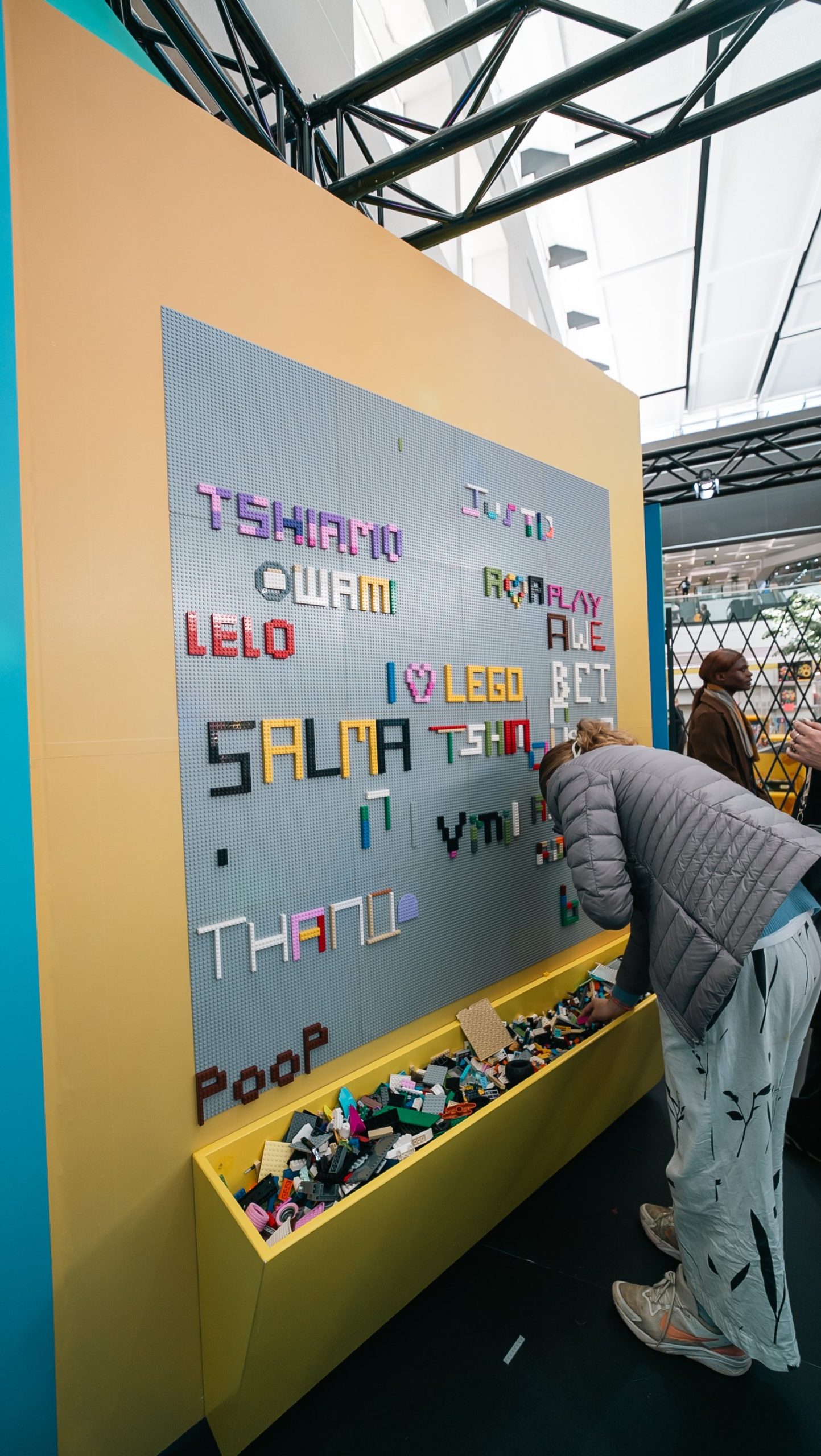
To help families put the pledge into practice, LEGO South Africa brought the campaign to life through an interactive family activation at Menlyn Park Shopping Centre, which ran from 15 June to 31 July 2026. The experience invited families to discover the power of play firsthand in an engaging and immersive environment.


