
10 Moments That Changed My Life: Melissa Ndlovu

Share
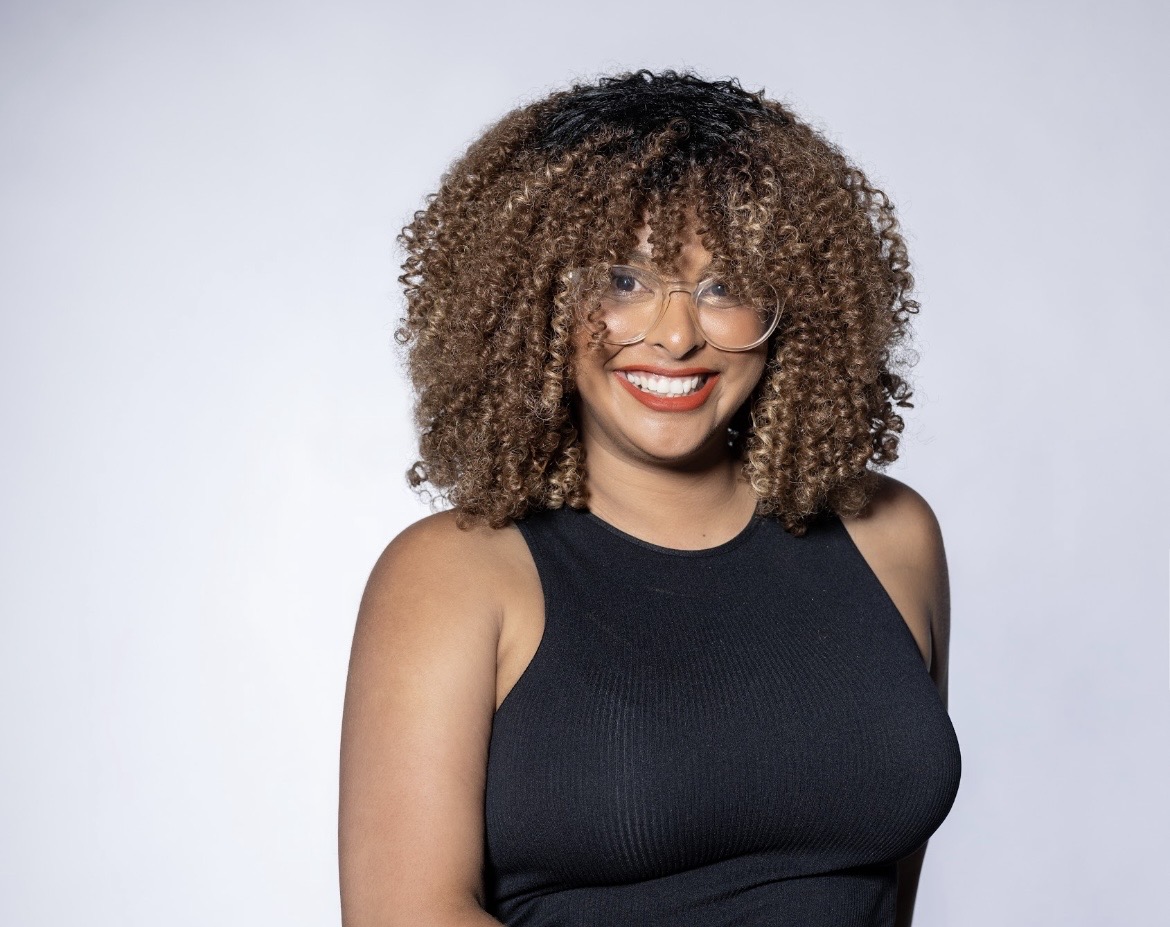
For more than 15 years, Melissa Ndlovu has built a career around the power of storytelling. From her early days in journalism and magazine publishing to leading content strategy and development at Global Citizen, her work has consistently sat at the intersection of creativity and purpose. Today, she leads a team of writers and activists creating content designed not only to engage audiences, but to inspire action and contribute to global change.
But long before the titles, career moves and leadership roles, there was a young girl growing up in Lotus River on Cape Town’s Cape Flats, looking out of her bedroom window at the distant, rugged side of Table Mountain and imagining a life beyond what she could see. That image would become a powerful metaphor for a life shaped by ambition, instinct and an enduring belief that there is always something more to reach for.
Melissa’s journey has taken her from discovering journalism through an encounter with a young girl during a gap year, to having someone take a chance on her early in her career, becoming a mother, learning to lead, choosing purpose over professional comfort and starting again in a new city.
In 10 Moments That Changed My Life, she reflects on the experiences that shaped her career, relationships, motherhood and sense of self, ultimately arriving at one powerful realisation: sometimes the most transformative thing we can do is choose the life that feels true to us.
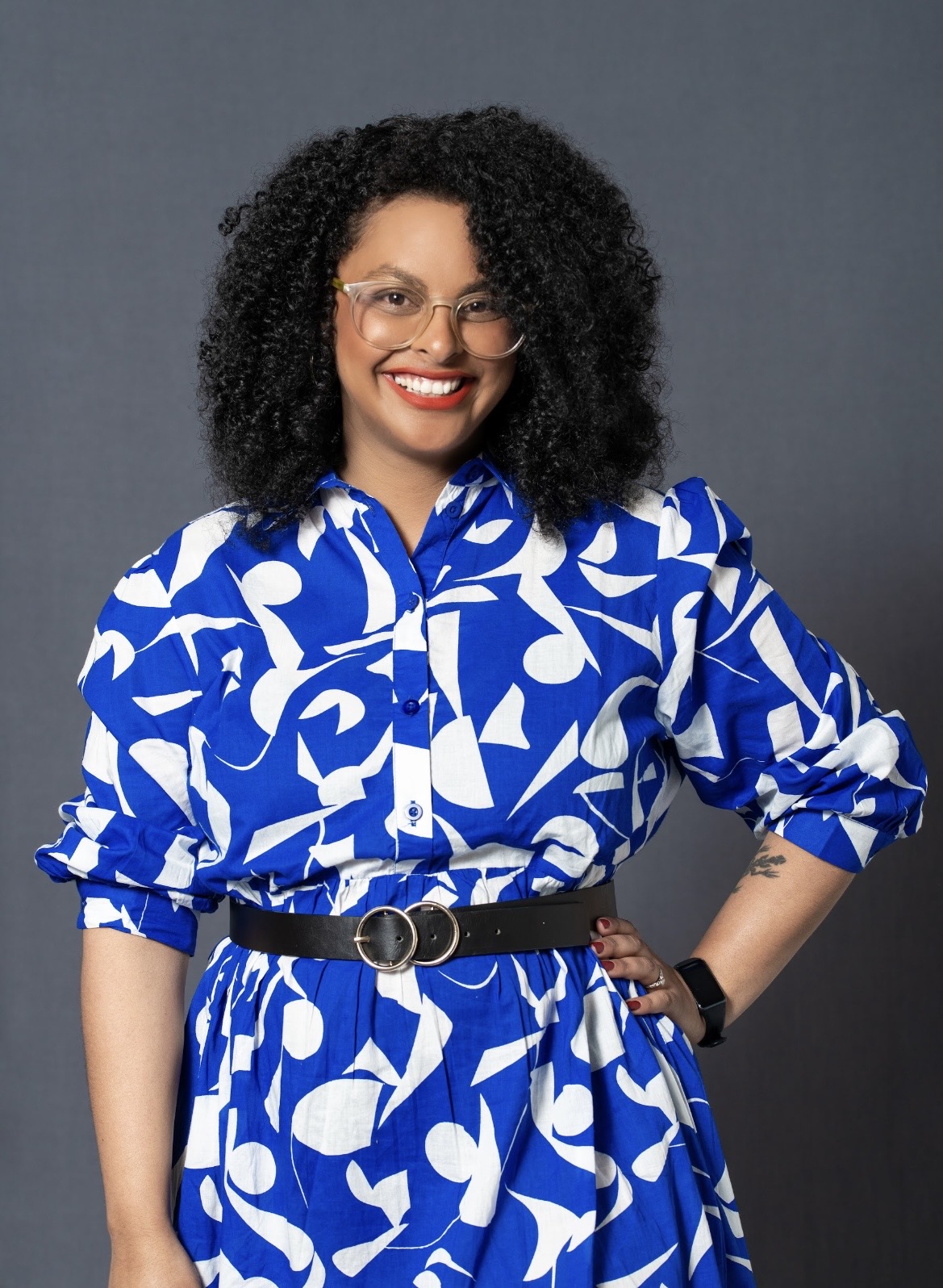
Melissa Ndlovu | Supplied
1. The mountain outside my window
I grew up in Lotus River on the Cape Flats in Cape Town. Growing up there wasn’t always easy. I was exposed to gangsterism, drugs and gun violence, and I know people I went to school with who lost their lives to gangsterism and drug abuse.
But my parents were very strict about education, and I was also involved in church and ballet. I attended the Cape Academy for Maths, Science and Technology, and I did ballet for about 11 years. Having those things in my life gave me something else to put my energy into. They showed me that there was a world beyond the circumstances I was growing up in.
I remember having a bedroom upstairs in a granny flat and looking out of my window. In the distance, I could see the back of Table Mountain — not the picture-perfect side that you see on postcards, but the rugged side of the mountain. And because it was quite far away, it looked so small from my window. I would literally have to stand on my tiptoes to see it.
But I would look at that little glimpse of the mountain and dream. I would think, I want to be there. I want to be closer to that mountain.
I don’t think my 12-year-old self could have explained exactly what that meant. I just knew that I wanted more. I knew there was something beyond what I could see around me.
In 2020, I bought my first home in Observatory. I remember sitting on the stoep and looking at the mountain, now so much closer, and becoming emotional. I thought about that little girl standing on her tiptoes, trying to see the mountain through her bedroom window.
Suddenly, the thing I had spent years looking at from a distance was right there in front of me. It felt like my 12-year-old self had somehow made it.
That moment taught me that sometimes you have to be able to imagine a different life before you know how you’re going to get there.
2. The little girl who led me to journalism
Because I attended a science-focused school, the expectation in my family was that I would probably go into medicine or another science-related field. When I finished high school in 2006, I took a gap year because I wasn’t sure what I wanted to do.
During that year, I volunteered with Compassion in Action, an organisation that worked with the Department of Health to provide basic health services at schools in underprivileged communities on the Cape Flats. We did eye and hearing tests, health and nutrition assessments, deworming and other basic interventions.
I remember one little girl in Grade 1 in particular. She had no hair, including her eyebrows and eyelashes, and she was being teased at school. She attended a farm school and her family didn’t have the resources to take her to a specialist. We were able to help get her a referral so she could access the care she needed, and we eventually learned that she had alopecia.
That experience really stayed with me. I realised how powerful information could be. Some people needed help, but sometimes they simply didn’t know where to find it or didn’t have access to the right information.
I started documenting some of the stories I encountered while volunteering, and that was when I discovered journalism.
I eventually studied journalism at IIE Varsity College in Cape Town. I worked in retail while I was studying, so I was balancing my studies with earning money and figuring out what I wanted my career to look like.
My parents were understandably sceptical about journalism. There was always the question of how I was going to make money from writing stories. But I knew I had found something that mattered to me.
What’s interesting is that I’ve come full circle. Health and education were what drew me to journalism in the first place, and years later I’ve found myself doing purpose-driven storytelling again. The things that first made me want to tell stories are still the things that make me want to tell them today.
3. The first person who took a chance on me
Breaking into journalism wasn’t easy. After studying, I did a number of internships and spent a lot of time emailing editors and calling people because I was determined to get my foot in the door.
I started as an intern at Ideas Magazine, which was published in both English and Afrikaans, and later worked as an assistant at Femina. I enjoyed lifestyle, fashion and beauty, but I knew I wanted to tell bigger stories.
Then I saw an advertisement for a sub-editor at Cape Media Corporation. One of the publications in the group that really spoke to me was Black Business Quarterly. It focused on up-and-coming young Black South Africans, their careers, businesses and insights, and I wanted to be part of that.
I applied despite having very little experience beyond my internships. I was fortunate enough to get an interview with Lindsay King, a well-known journalist who had also worked at News24.
He called me and started quizzing me on all sorts of things. The truth is, I didn’t have all the answers. What I did have was confidence, enthusiasm and an absolute willingness to learn. So I sold myself.
When we met face-to-face, Lindsay jokingly told me that he couldn’t say no to me because of the confidence and vigour I had.
I will always be grateful that he took that chance on me because he allowed me to prove myself, and I did. I got to work with incredible journalists and broadcasters, interview influential South Africans and tell stories about people who had built something from nothing.
That experience taught me that sometimes you don’t have to wait until you’re completely ready. You have to be brave enough to put yourself forward, and then work hard enough to prove that someone was right to take a chance on you.
4. Becoming a mother
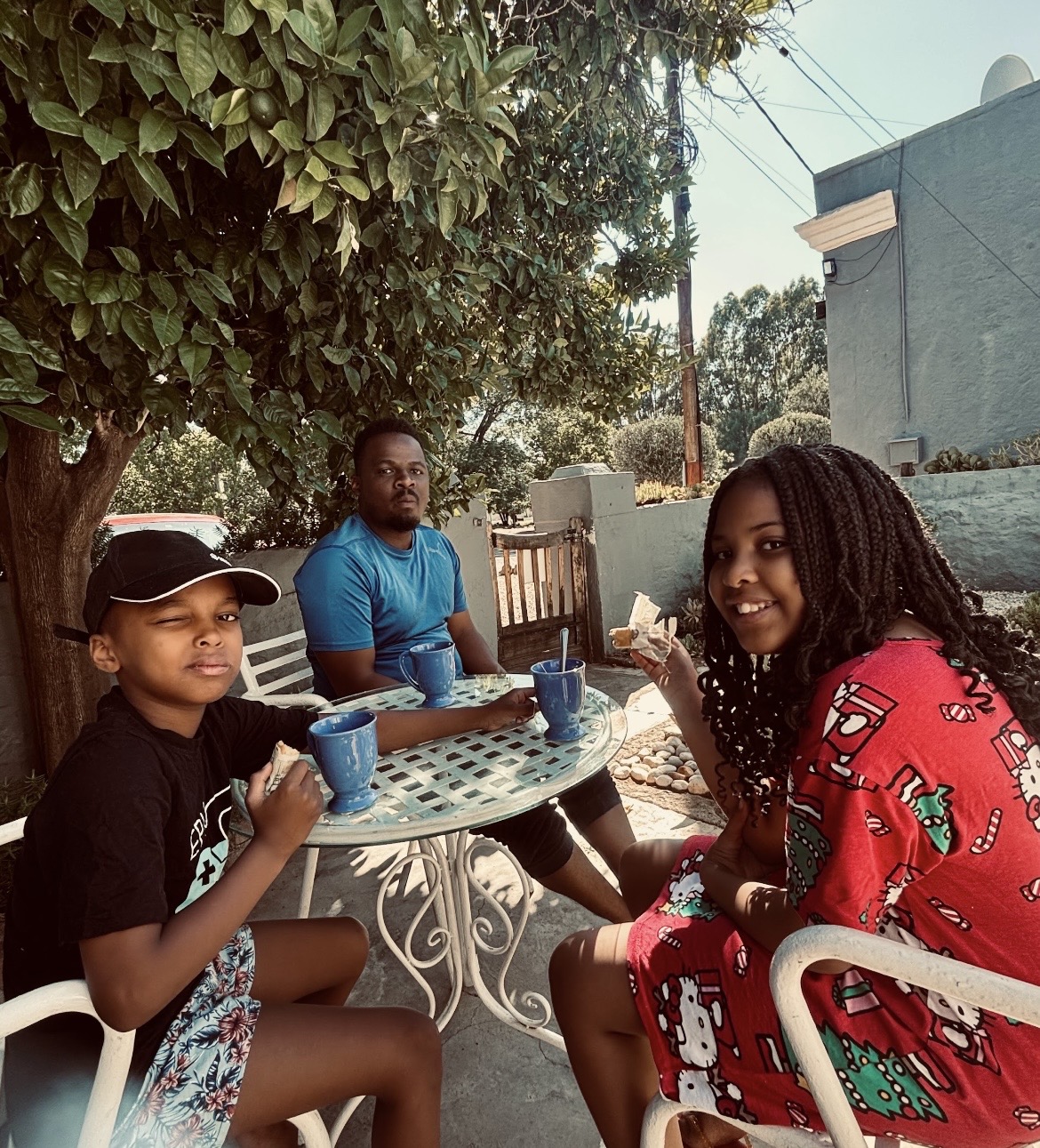
I was never the girl who dreamed about having children. I loved children, but motherhood was never something I imagined for myself. I was very academic and loved school and learning, so it simply wasn’t something I had spent much time thinking about.
Then I had my first baby in 2014, and motherhood came surprisingly naturally to me.
When you’re pregnant, everyone has advice about what you should do, what you should know, and how you should raise your child. My biggest lesson was to trust my instincts. I’ve always been good at doing that, and it has rarely led me astray.
Motherhood has taught me patience, resilience, and how to juggle many different things at once. Most of all, it has shown me how strong I can be when there are young people depending on me.
My second baby arrived in 2016, and motherhood became an enormous part of who I am. It has been challenging, joyful, exhausting, and deeply rewarding.
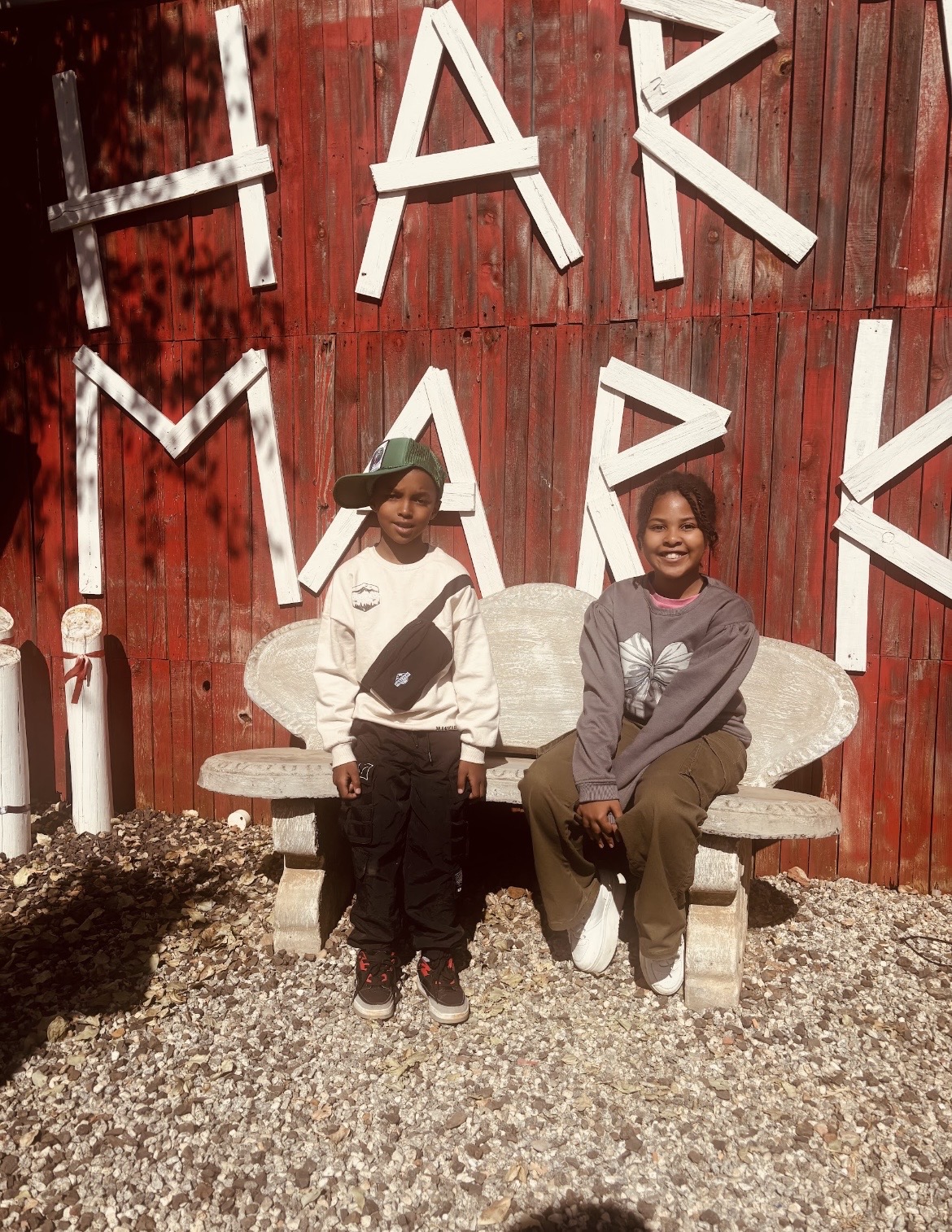
It also taught me that strength doesn’t always look like having everything under control. Sometimes it’s simply being tired and still showing up, being uncertain and still making a decision, or feeling overwhelmed and still knowing that you can get through it.
5. The people who taught me how to lead
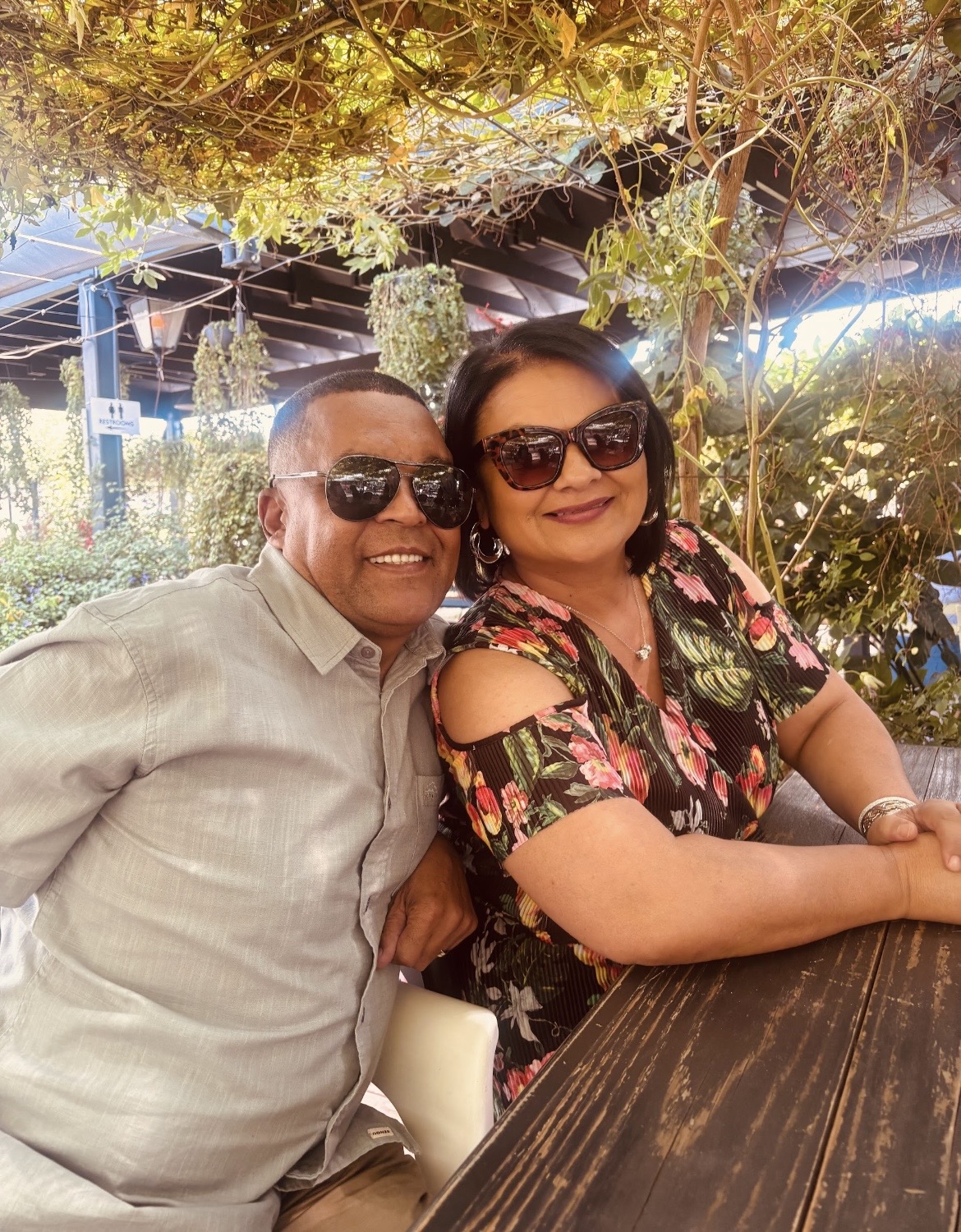
Melissa’s parents | Supplied
I’ve been very fortunate to have people in my life who shaped the way I lead.
My father worked in the financial industry for many years and managed a large number of people. When he retired a few years ago, I attended his retirement send-off and listened as people spoke about how much he had influenced them, pushed them and helped shape their careers.
It was a powerful moment for me because I realised that leadership isn’t just about managing people or getting results. It’s about the impact you leave on people.
My father always told me that people don’t necessarily do their best work because they have to. Sometimes they do it because they’re doing it for you. They don’t want to disappoint you because you’ve made such an impact on their lives that they want to give you their best.
That idea of connection, trust and solidarity has stayed with me.
Interestingly, my father was very strict with my sister at home and me. He was almost militant about the way he wanted things done, and I think that taught me discipline. Even now, when I’m stuck with something or trying to figure my way through a difficult situation, he’s still one of the first people I call.
I also learned a huge amount from Justine Drake, who was my manager when I worked on Pick n Pay’s Fresh Living magazine and later became a close friend. She’s a cookbook author, MasterChef judge and, in my opinion, a complete rock star of a woman.
I watched the way she trusted her gut, made creative decisions and, importantly, saw potential in people who didn’t always see it in themselves.
She taught me to trust my instincts and to help other people see that they are capable of more.
Those lessons have shaped the kind of leader I try to be. I want people to perform at their best, but I also believe in giving people a chance. I’m also very conscious of boundaries, prioritising and understanding that I don’t have to do everything myself.
6. Choosing purpose over professional success
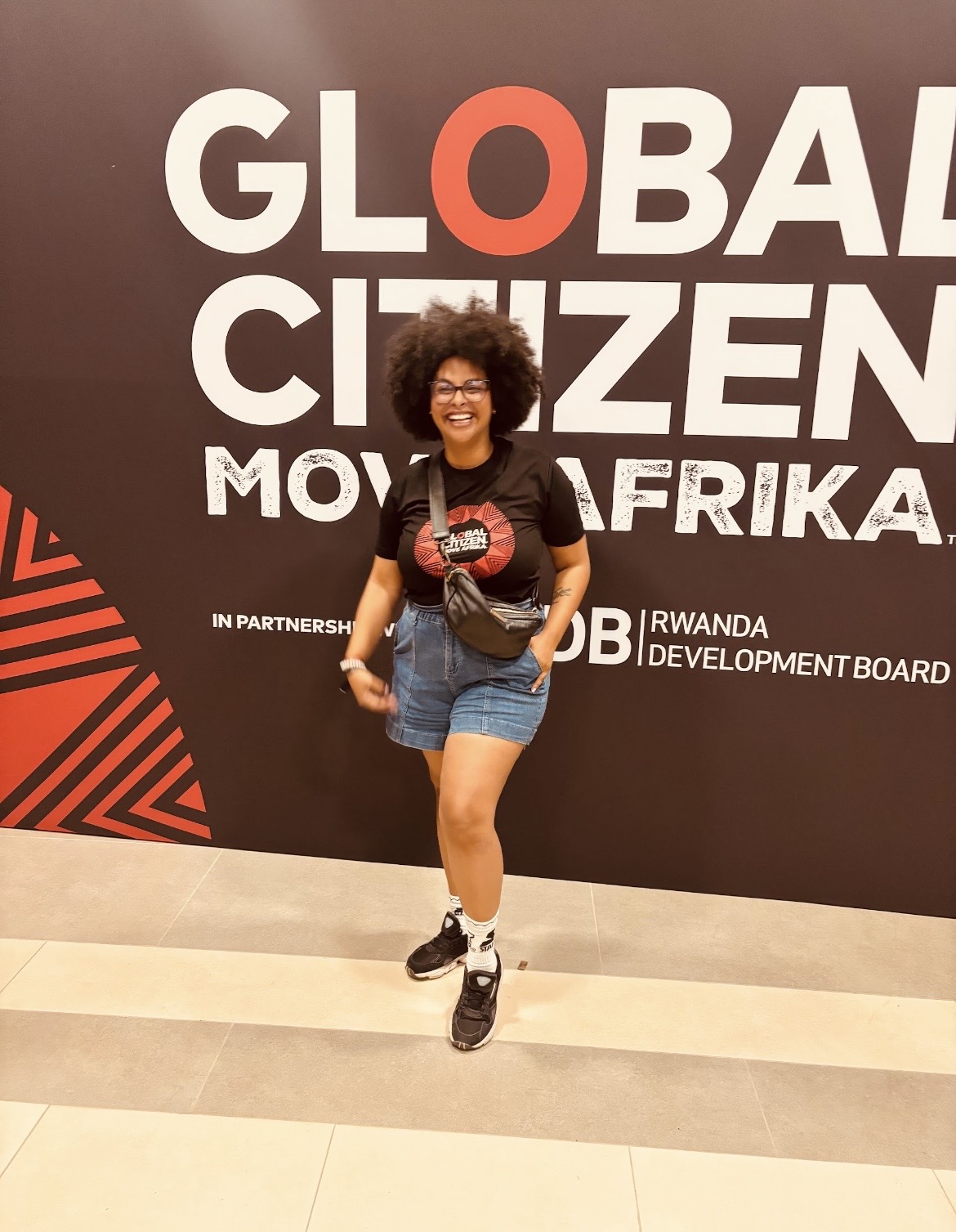
Melissa Ndlovu | Supplied
In 2024, I made one of the biggest career decisions of my life. I left a job I was very good at.
I had been working in fashion publishing, leading teams, winning awards, and doing work I was genuinely proud of. Nothing was necessarily wrong with the job. The problem was that my heart was telling me I wanted something more purposeful.
I decided to move into the social-impact space and joined Global Citizen. But the change wasn’t only professional. Having lived in Cape Town my entire life, I relocated to Johannesburg for the role. I arrived in a city where I didn’t really know anyone and had to start again.
That was a huge thing for me. I was leaving behind the city I knew, my familiar routines and a career I was already comfortable in, and putting myself in an entirely new environment.
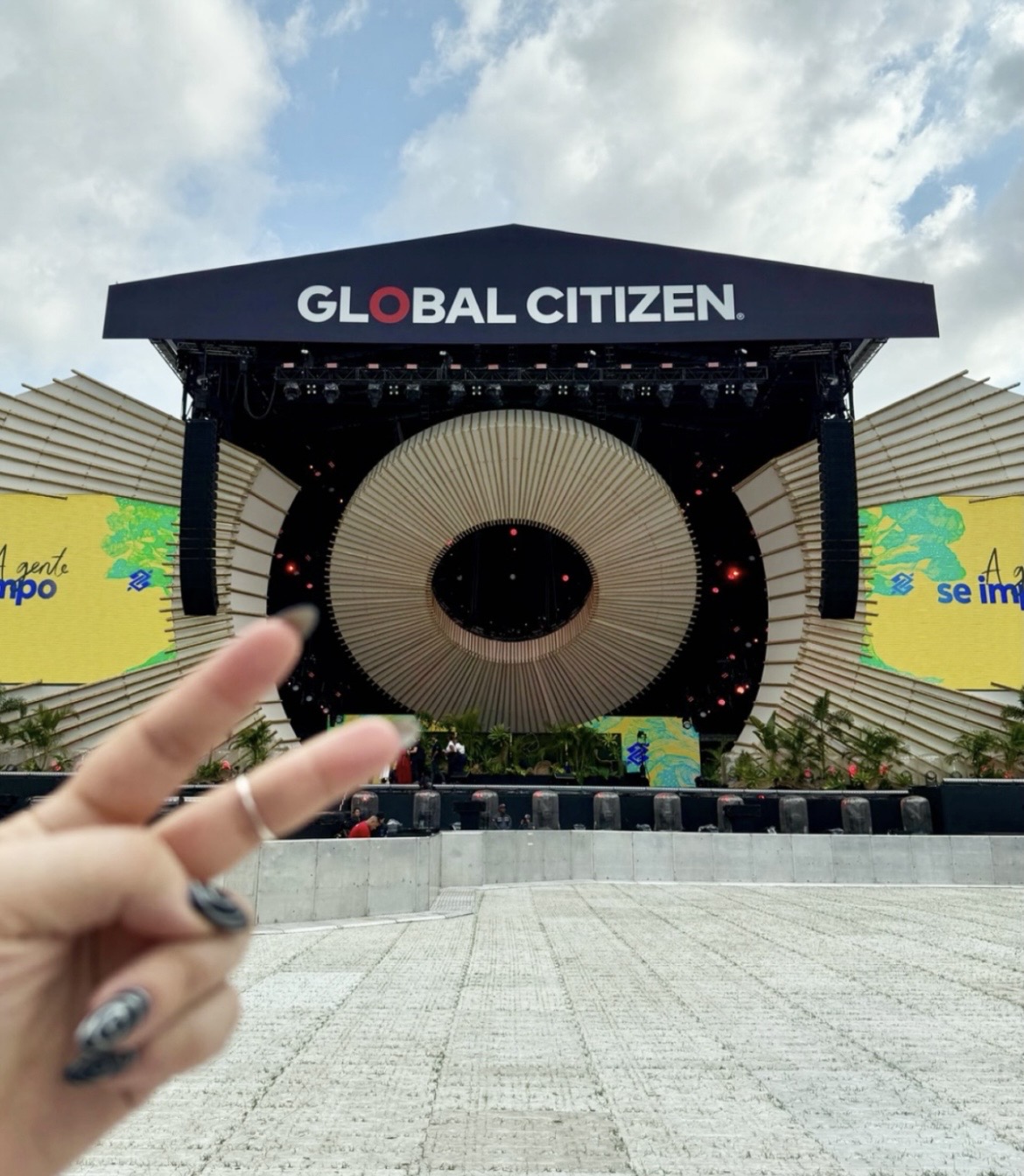
I knew I had the skills to make the transition, but I also knew I had a lot to learn. Suddenly I was having to educate myself about policy, legislation, government relations and areas that were completely new to me.
I loved that challenge.
I’ve always felt that when you become too comfortable, you’re probably no longer learning or growing. I don’t ever want to stop learning.
Looking back, that move to Johannesburg was almost symbolic of what was happening in the rest of my life at the time. I was leaving behind a version of myself that I had known for years and deliberately putting myself somewhere unfamiliar so that I could grow.
The move also brought me back to something that had drawn me to journalism in the first place: using storytelling and communication to educate people and create impact.
For me, success isn’t just about being good at something. It’s also about asking whether what you’re doing still has meaning for you.
7. Choosing myself
The period between 2023 and 2024 was a real rebirth for me. Alongside changing careers, I went through a divorce.
I come from a family where marriages have lasted for decades, and I grew up with very traditional, values-driven ideas about family and what a woman’s role should be. So choosing to leave my marriage was not a small decision for me.
I had to confront the idea that choosing myself could somehow be selfish.
What I eventually realised was that sometimes choosing yourself is an act of courage. It doesn’t mean you don’t care about other people. It means you recognise that your own happiness, wellbeing and sense of self matter too.
I was no longer the same person I had been when I got married in 2013. I had grown, changed and evolved, and I had to allow myself to acknowledge that.
Divorce taught me that sometimes life asks you to let go of the version of yourself that other people recognise so that you can become the version of yourself that feels true.
8. Finding love again
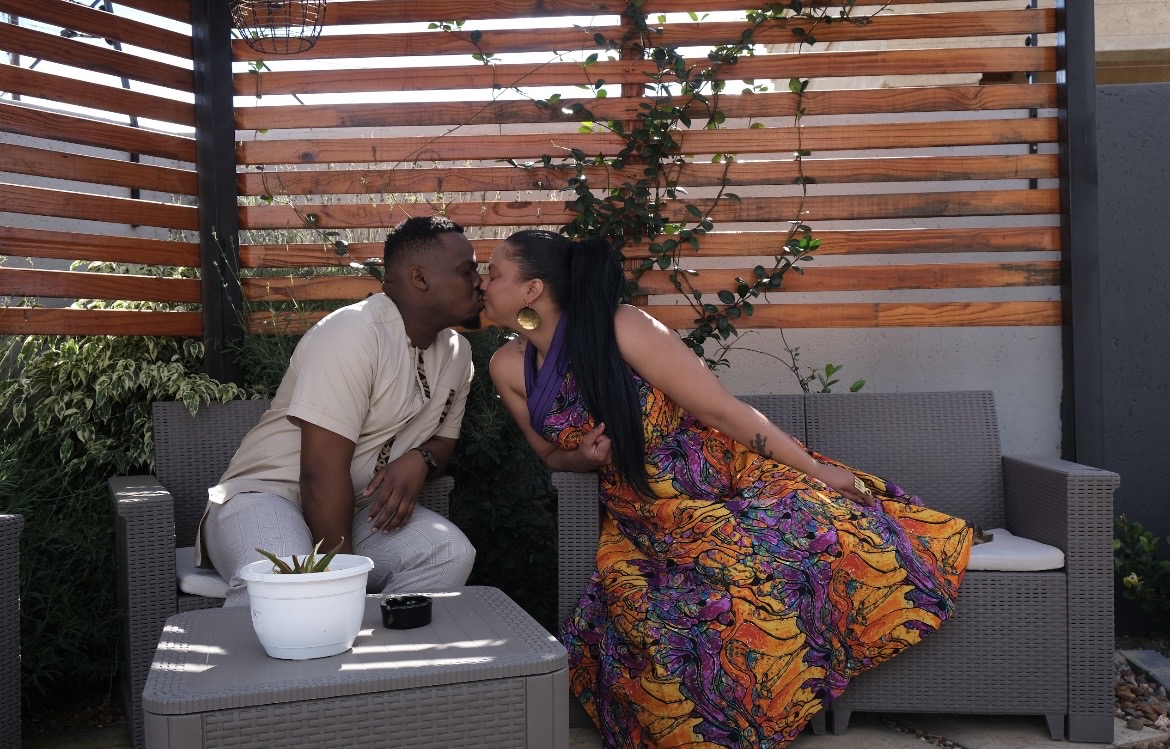
After my divorce, I genuinely thought I might be perfectly happy alone. I actually love being alone. I love stillness, and I was comfortable with myself. So finding love again was unexpected.
What has been special about my relationship is that I’ve found someone who understands that I’m always striving for more. I’m always learning, building and growing, and he doesn’t see that as something he needs to compete with or change. He complements it.
At the same time, he has taught me things too. He’s reminded me that sometimes it’s okay to wait, that everything doesn’t have to be perfect and that building a life with someone means learning from each other.
I never thought I would find love again in the way that I have, and I’m grateful that I allowed myself to be open to it.
9. Going to therapy
I’ve been going to therapy for about six years now, and I go once a week. For me, therapy has been one of the most important forms of self-care, but also one of the most practical forms of maintenance.
In many communities of colour, therapy can still be seen as taboo. There can be an idea that if you’re going to therapy, something must be wrong with you. I see it very differently.
Therapy helped me understand myself better and unpack childhood experiences and behaviours I didn’t realise I was carrying into adulthood.
My mother is very traditional. She’s the kind of woman who sets the table, prepares the lunches and makes sure everything is done properly. She still does those things when the family gets together for Christmas. There is absolutely nothing wrong with that, but growing up with that model made me feel that I had to be that way too. I felt I needed to do everything perfectly.
Eventually, I became exhausted from trying to be perfect in every area of my life.
Therapy taught me that I could shape my own way of doing things. I didn’t have to conform to every behaviour I had observed growing up. The unlearning has been difficult, and it is still ongoing, but awareness has changed everything.
I now think of therapy in the same way I think about maintaining my physical health. You don’t only go to the doctor when something is wrong. You also maintain your health. I feel the same way about my mental health.
10. Becoming a mother again at 37
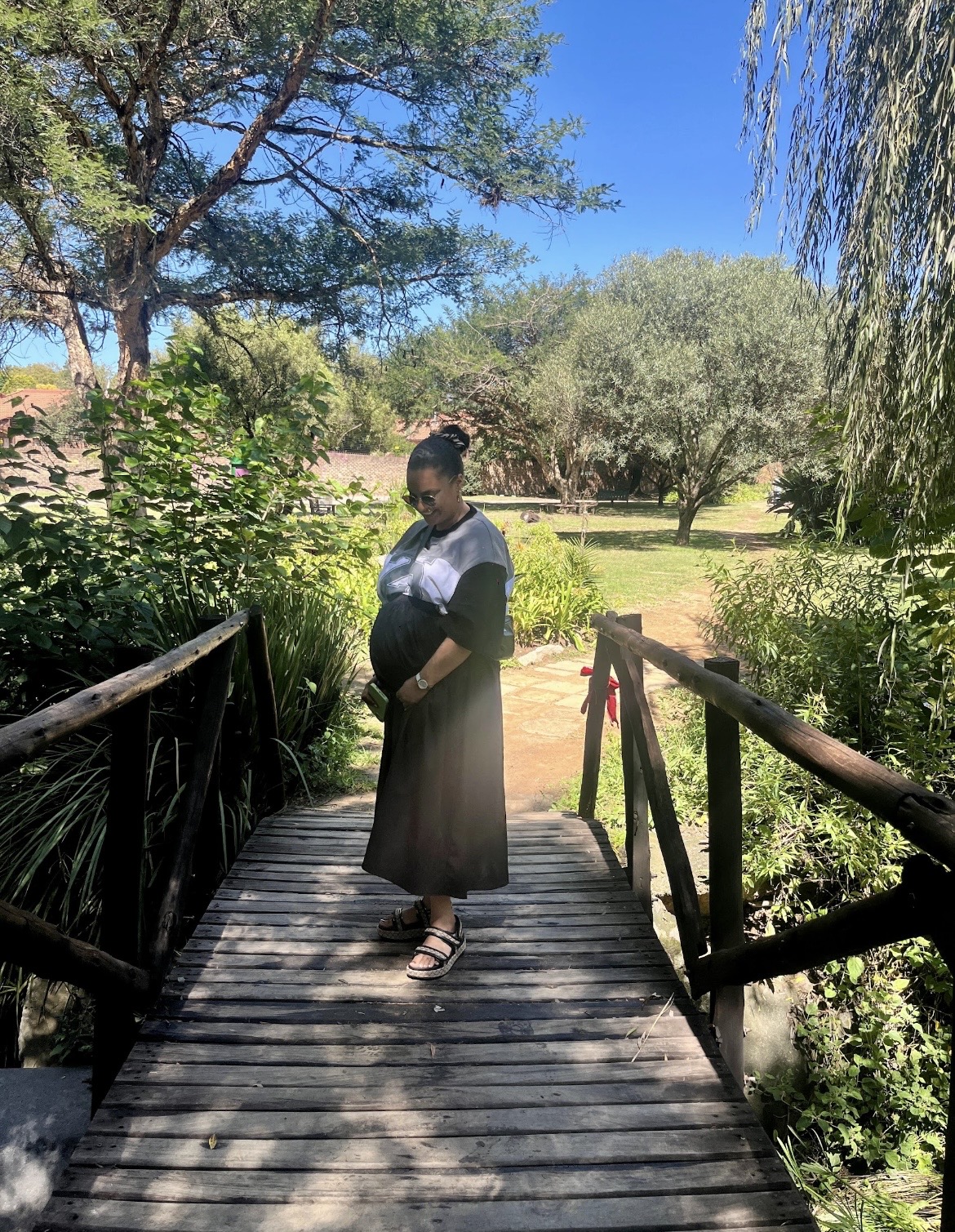
My third pregnancy was intentional and planned. At 37, I felt more secure in myself, my life and my work-life balance, and I knew I wanted another child.
Becoming a mother at 37 is very different from becoming a mother at 24 or 25. The first time around, there were so many nerves and so much information coming at me from other people. I was learning what motherhood was supposed to look like.
This time, I feel much more confident about shaping my own path.
I’m genuinely excited. People tell me about the sleepless nights and all the difficult parts, but I’m not dwelling on those things. I’m looking forward to maternity leave, slowing down and welcoming this baby into our lives.
I also feel incredibly fortunate to be doing this with a partner who is so in tune with me and understands me. That makes a huge difference.
This pregnancy feels like the beginning of a new chapter, but it also feels like a full-circle moment. I’m becoming a mother again, but I’m not the same woman I was the first time.
I’ve learned who I am, what matters to me and what I want my life to look like.
At 37, I’m not trying to become the mother, woman or person that everyone else thinks I should be.
I’m finally comfortable becoming the person I choose to be.
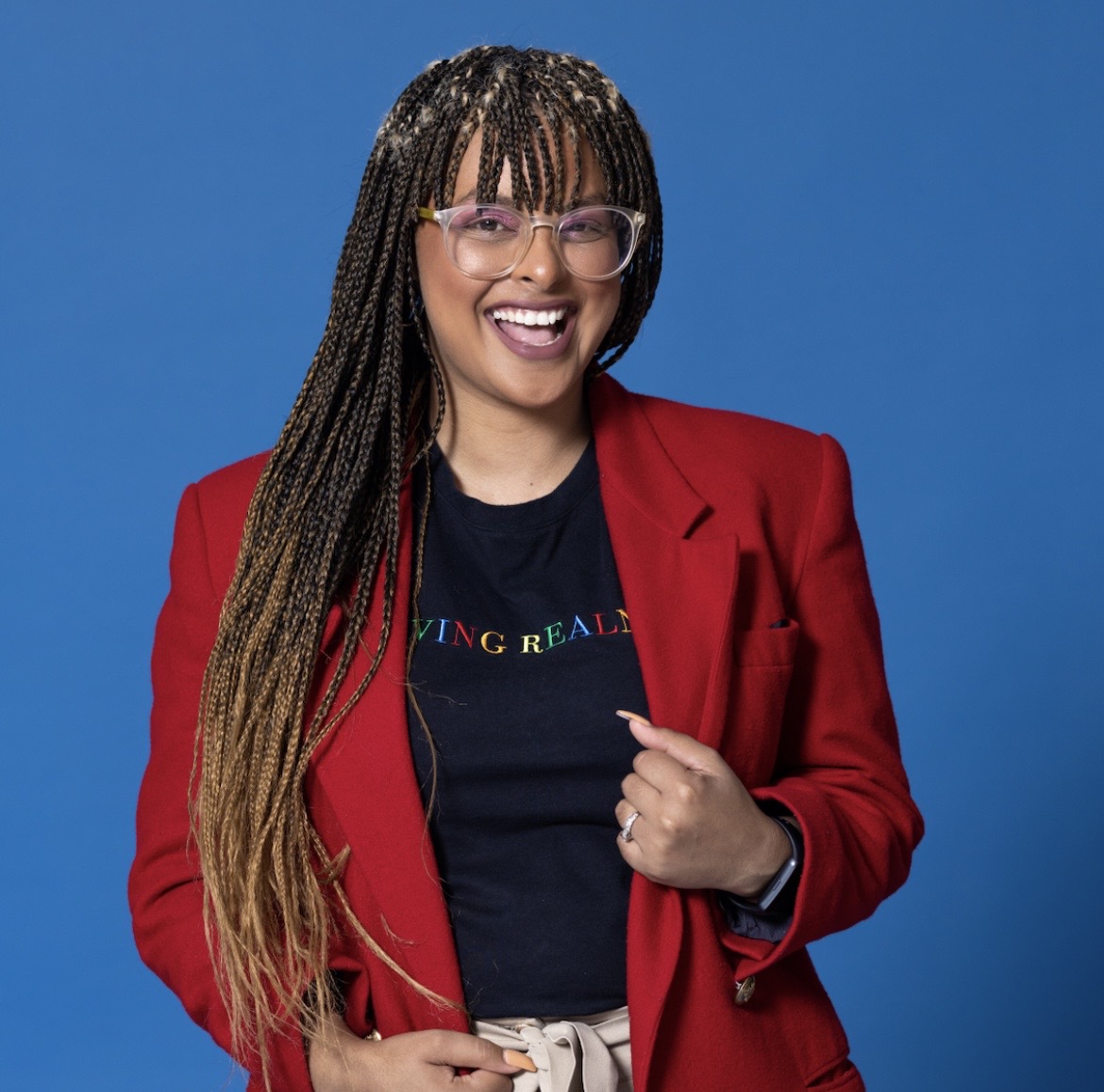
Melissa Ndlovu | Supplied


