
7 Ways to Help Your Child Fall in Love With Reading

Share
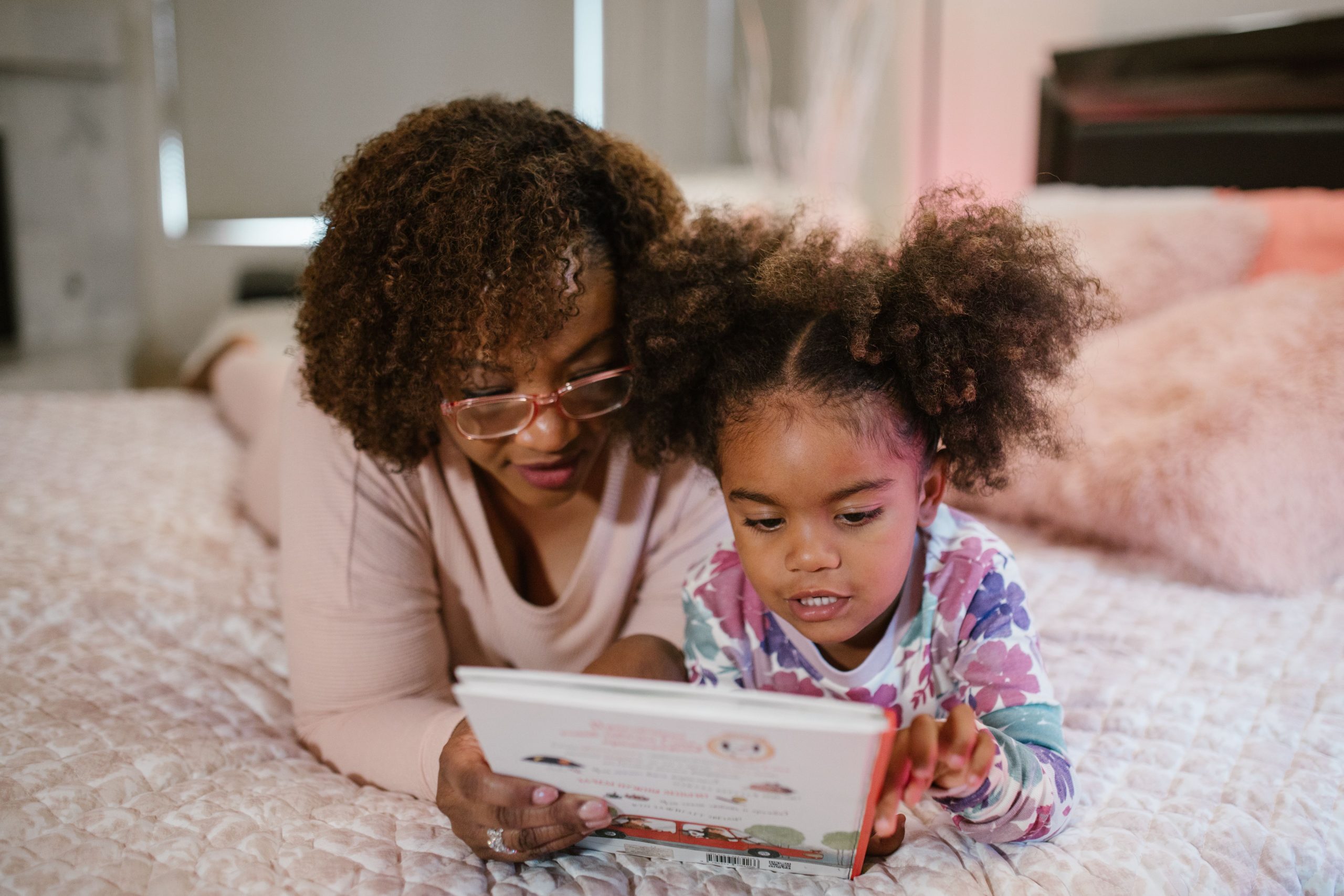
From making books part of your daily routine to letting your little one choose what they read, these simple tips can help turn story time into something they look forward to.
A love of reading can open the door to new adventures, ideas and worlds, while supporting important skills such as language development, vocabulary and communication. But helping a child become a reader is not about forcing them through a book every night. It is about making books feel enjoyable, comforting and exciting from an early age.
Even 10 to 15 minutes of reading together each day can help spark your child’s curiosity. Whether you are reading to a newborn, taking turns with an early reader or listening to your child tell you about their favourite comic, these small moments can become some of the most meaningful parts of your day together.
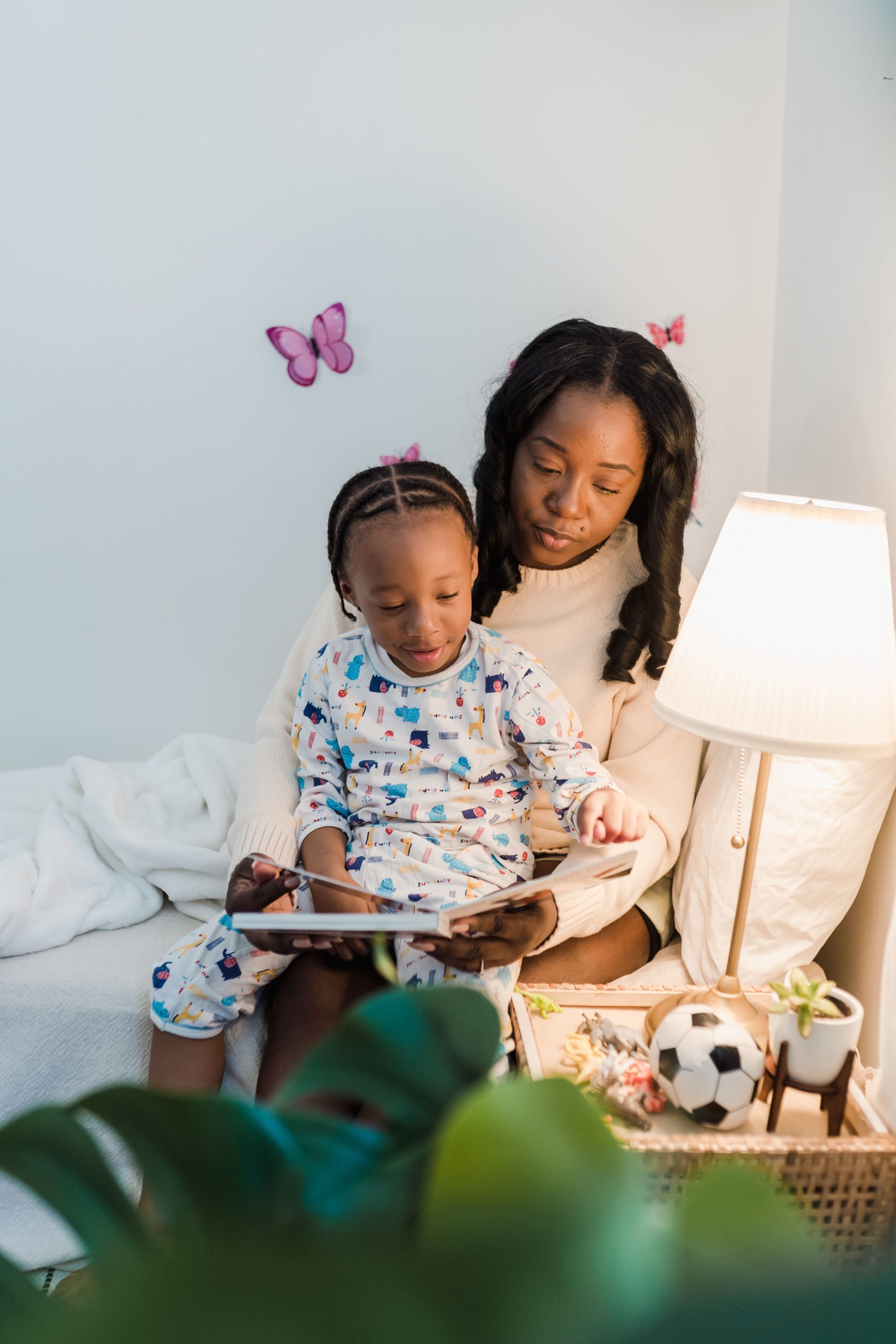
Sourced from Pexel Images
1. Start reading from the beginning
It is never too early to introduce your child to books. Even newborns benefit from hearing the rhythm and sounds of language as you read aloud. Talk about the pictures, point out familiar objects and make different sounds for animals or characters to bring the story to life. Changing your tone and using different voices can also make reading more engaging.
Children begin developing their relationship with books long before they can read independently. The time you spend reading together in these early years can help them associate books with warmth, connection and enjoyment.
2. Let them see you reading
Children often learn by watching the people around them, so let your child see that reading is something you enjoy too. Whether you are reading a novel, magazine, newspaper or recipe, seeing you pick up a book instead of a phone can help make reading feel like a natural part of everyday life.
You can also make choosing books a family activity. Visit a bookshop or library together and let your child browse, pick out a story and talk about what catches their attention. Asking family and friends about books their children love can also give you new ideas to explore together.
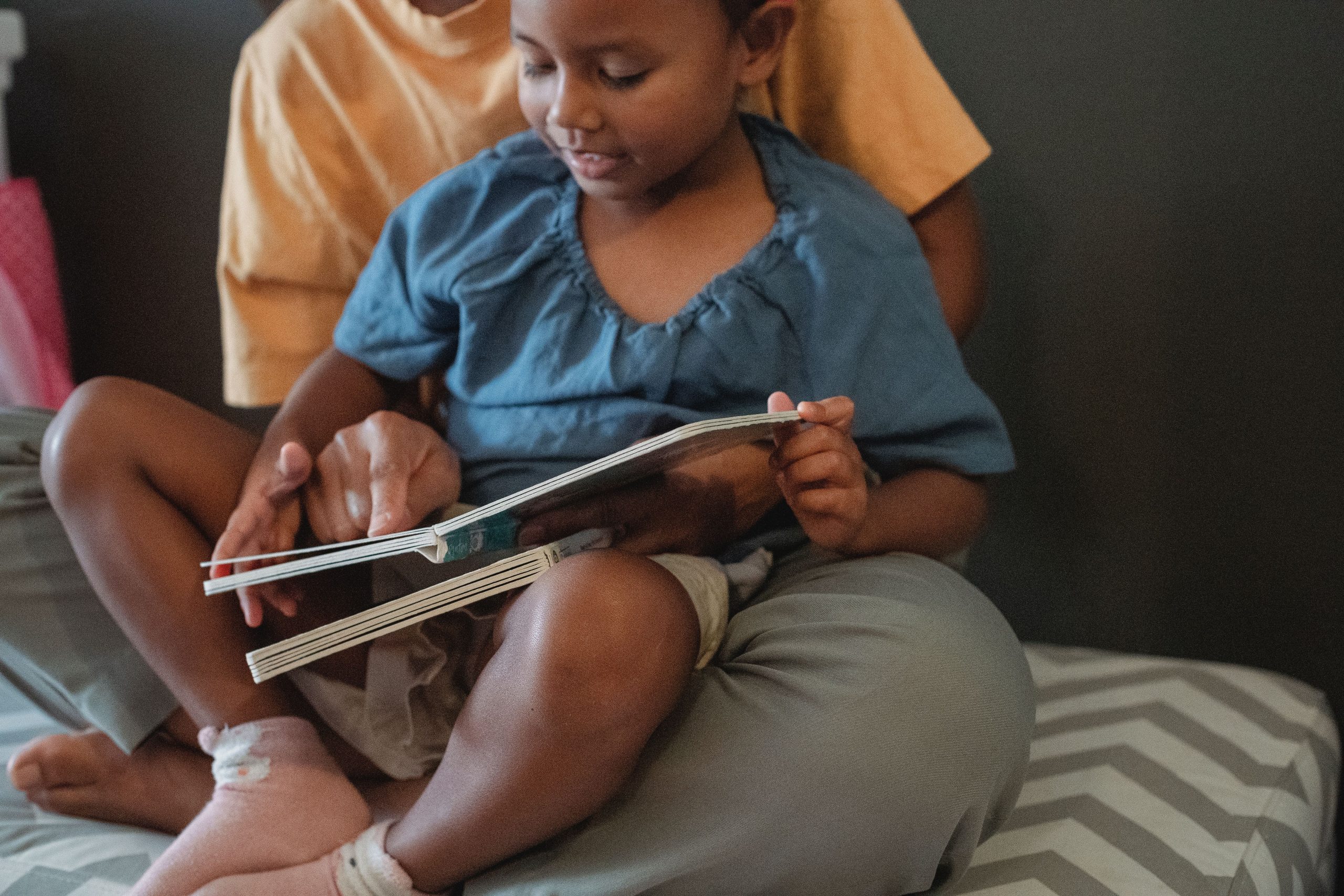
Sourced from Pexel Images
3. Read together and take turns
As your child becomes more confident, reading can become something you do together rather than something you simply do for them. Start by asking them to identify letters or familiar words, then gradually take turns reading sentences, pages or chapters.
Keep the conversation going as you read. Ask questions such as, “What do you think will happen next?” or “Why do you think the character did that?” Talking about the story can strengthen comprehension while helping your child feel more confident expressing their thoughts.
4. Follow their interests
The best book is often the one your child actually wants to read. Pay attention to the subjects that excite them and use those interests to guide your choices. If they love dinosaurs, look for dinosaur stories. If they are fascinated by space, explore books about planets and astronauts.
And do not worry if their reading choices are not what you expected. Comics, graphic novels, magazines and books about their favourite hobbies all count. The goal is to help your child discover that reading can be enjoyable, not to make them feel that only certain books are worth picking up.
5. Make reading part of the routine
A regular reading habit can help books become a familiar and comforting part of your child’s day. Bedtime can be a natural opportunity for a story, but reading can happen anywhere, from a quiet afternoon at home to a journey on public transport.
Try to make this time about being together by putting phones and other distractions aside. You do not need a large home library either. A small collection of books that your child enjoys can be enough to get them excited about choosing their next story.

Sourced from Pexel Images
6. Make books interactive
Reading does not have to mean sitting quietly from beginning to end. Encourage your child to point at pictures, make sounds, repeat phrases and guess what might happen next. With younger children, you can talk about colours, characters and objects they recognise, while older children can discuss the plot and share their opinions about the characters.
These little conversations can turn reading into an experience you share rather than simply a story you tell. They also create opportunities for your child to build vocabulary, practise speaking and develop their understanding of what they are reading.
7. Keep it enjoyable, not a chore
Perhaps the most important thing is to avoid turning reading into something your child feels pressured to do. Every child develops at their own pace, and their interests will change as they grow. If they are not interested in a particular book, try another one. If they want to read the same story every night, let them.
The aim is not to have your child reading the most advanced books as quickly as possible. It is to help them discover the pleasure of getting lost in a story, learning something new or simply spending quiet time with someone they love. When reading feels like a source of connection rather than a task, children are more likely to carry that enjoyment with them as they grow.
Reading milestones to look out for
Every child develops differently, so these milestones are best viewed as general guides rather than strict expectations. During the early years, you may notice your child becoming increasingly interested in books, language and storytelling.
Birth to 18 months: Your baby may begin responding to familiar words and phrases, looking at books, turning pages and imitating sounds.
18 months to 3 years: Your child may enjoy familiar stories, repeat phrases from favourite books, ask to be read to and become increasingly confident using words and sentences.
3 to 5 years: Your child may recognise familiar letters, identify rhyming words, hold a book and turn its pages independently, and begin connecting the letters and sounds they see with the words they hear.
Most importantly, remember that reading development does not look exactly the same for every child. Keep offering books, follow their interests and celebrate their progress along the way. Sometimes, a few minutes curled up together with a favourite story is all it takes to start building a lifelong love of reading.


