
Is Your Child Obsessed With One Particular Thing? Here’s What to Know

Share

From dinosaurs and space to coding and collecting, your child’s latest fixation could be an opportunity to nurture curiosity, build confidence and make learning more meaningful.
If your child can tell you the name of every dinosaur that ever lived, spends hours drawing the same characters or wants to know everything about how computers work, you may be wondering how one interest can take up so much of their world. What begins as a passing fascination can quickly become the subject of every conversation, game and activity.
Although these intense interests can sometimes feel all-consuming, they are not necessarily something parents need to discourage. A child’s fascination with a particular subject can offer a valuable starting point for learning, creativity and connection. When supported thoughtfully, that enthusiasm can help children explore new skills, discover what they enjoy and develop confidence in what they know.

Pexel Images
1. Follow their curiosity
Rather than immediately steering your child towards something new, take an interest in what has captured their attention. Ask questions, invite them to explain what they have learnt and explore the subject together. You do not need to be an expert yourself. Showing genuine curiosity can help your child feel that their interests are valued, while giving you insight into what excites them and how they like to learn.
2. Turn their favourite subject into a learning opportunity
An intense interest can provide a natural way to introduce skills that might otherwise feel difficult or uninteresting. If your child loves dinosaurs, encourage them to read dinosaur books, write their own prehistoric adventure or compare the sizes of different species. A fascination with space could lead to counting planets, exploring the night sky or creating a model of the solar system. For a child interested in coding, simple projects can introduce problem-solving, sequencing and logical thinking. The aim is not to turn every hobby into a lesson, but to let learning grow naturally from their enthusiasm.
3. Make room for creativity and exploration
Children often enjoy their interests in different ways, and giving them room to experiment can help them discover new abilities. Encourage your little one to draw, build, invent, write stories, create models or develop their own projects inspired by what they love. A child fascinated by animals might create a wildlife fact book, while a budding coder could design a simple game with age-appropriate tools and guidance. These activities allow children to move beyond collecting information and begin using their knowledge in imaginative ways.

Pexel Images
4. Celebrate their strengths without putting pressure on them
When a child knows a great deal about a particular subject, it can be tempting to praise them for being the cleverest or expect them to keep achieving more. Instead, recognise their curiosity, persistence, creativity and willingness to learn. You might praise the effort they put into a project or the interesting question they asked. This helps build confidence without making them feel that they must always be an expert or turn their favourite pastime into something impressive.
5. Help them connect with others through their interests
A shared interest can be a wonderful starting point for building relationships. Look for age-appropriate opportunities to explore it with others, whether through a library activity, a science club, a creative workshop or a group that shares the same hobby. You can also invite siblings or friends to join in, while allowing your child to decide how they want to share their enthusiasm. Not every child will want to talk about their favourite subject in a group, so follow their lead and avoid turning social interaction into another expectation.
6. Create balance without dismissing their passion
Even a positive interest needs to fit alongside everyday life. Sleep, meals, schoolwork, movement, family time and other activities remain important, so help your child find a rhythm that makes room for their enthusiasm without allowing it to crowd everything else out. Clear routines, advance warnings before switching activities and agreed times for favourite hobbies can make transitions easier. If your child finds stopping particularly difficult, work together on a plan, such as finishing one final activity or saving their project for the next day.
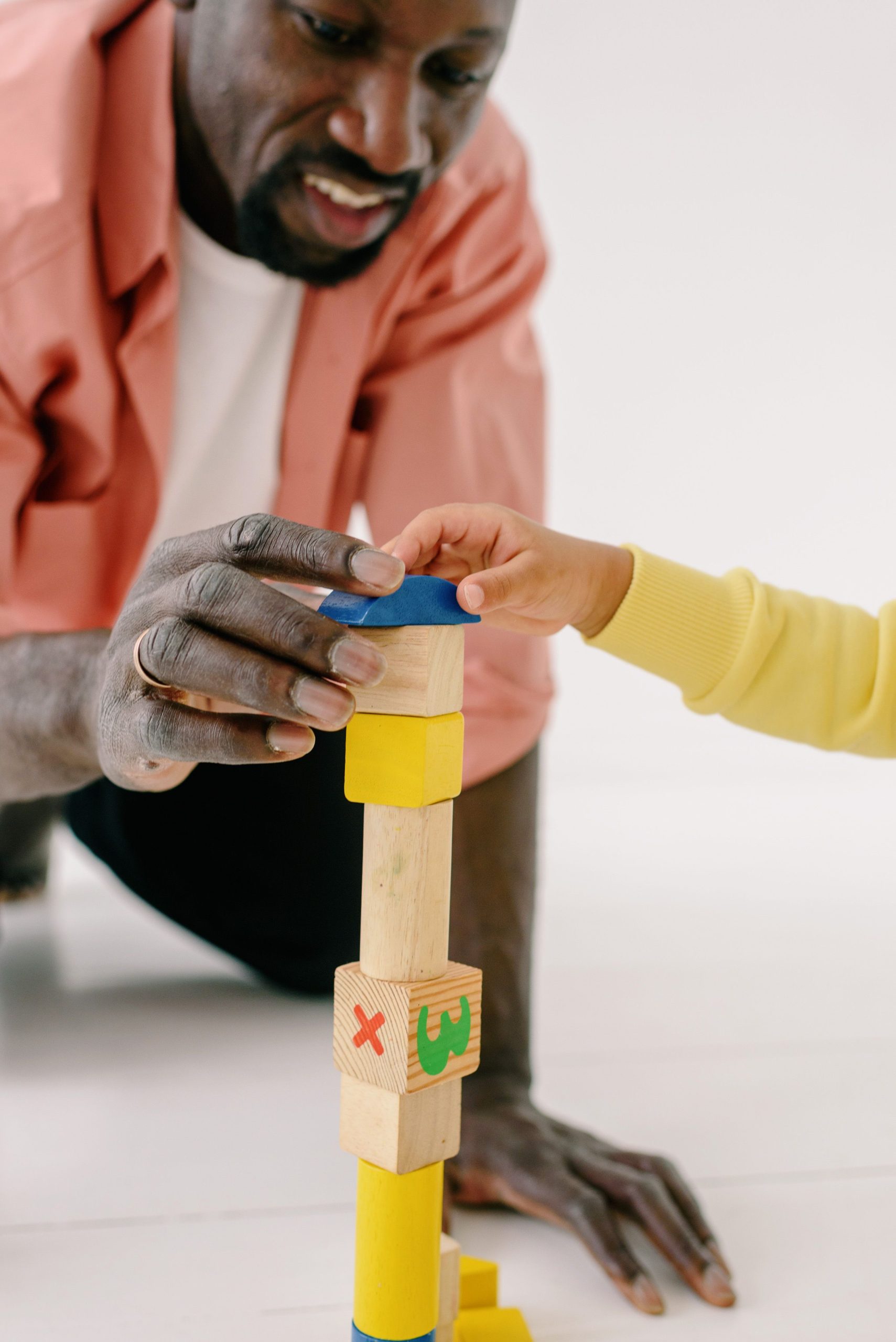
Pexel Images
7. Let the interest evolve
Children’s passions can change as they grow. The dinosaur phase may give way to astronomy, music, animals or a new fascination altogether. Rather than worrying that an interest has faded, give your child permission to explore something different. Sometimes an intense interest lasts for a short time, while others become lasting hobbies or develop into deeper areas of knowledge. The value lies not only in the subject itself, but also in the curiosity, enjoyment and skills your child develops along the way.
When should parents be concerned?
A strong interest is not automatically a problem, nor does it by itself indicate a developmental condition. Some neurodivergent children, including some autistic children and children with ADHD, may experience particularly intense interests or find it difficult to shift their attention. Every child is different, however, and intense enthusiasm alone cannot tell you whether a child has a particular condition.
Pay attention to how the interest affects your child’s everyday life. If it regularly interferes with sleep, school, relationships, personal care or other essential activities, causes significant distress when they have to stop, or leaves them struggling to participate in things they need or want to do, consider speaking to a healthcare professional or your child’s teacher for guidance.
Your child does not need to turn their favourite interest into a future career for it to be worthwhile. Sometimes, a fascination with dinosaurs is simply a joyful part of being a child. At other times, that same fascination may inspire a love of science, reading, art or discovery. By staying curious, encouraging exploration and providing gentle boundaries, you can help your child make the most of what excites them while leaving room for the many other experiences that help them grow.


