
How to Keep Children Safe From Extreme Heat

Share
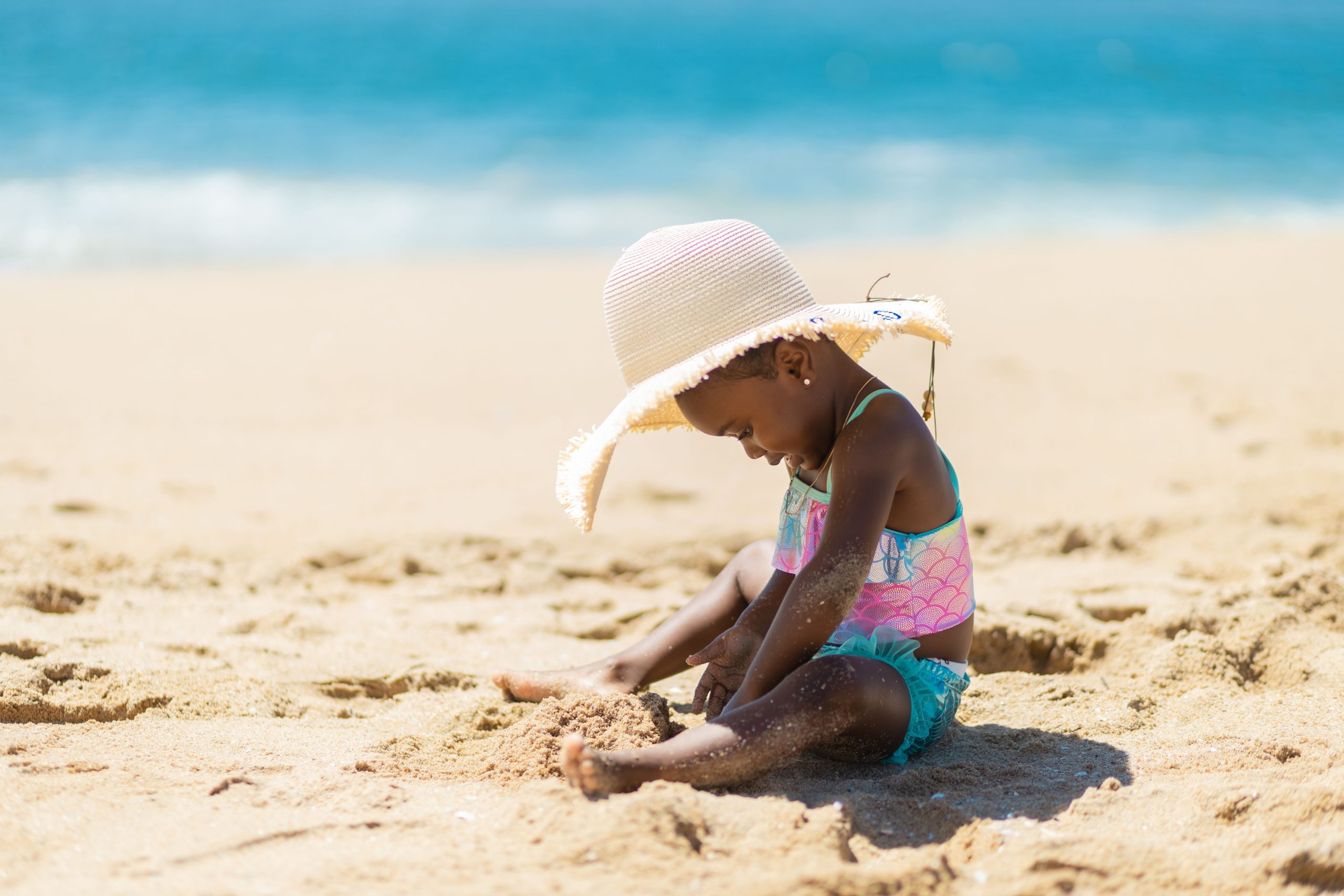
From keeping babies hydrated to recognising the warning signs of heatstroke, here is how to protect your little ones when temperatures rise.
South African summers bring sunshine, outdoor play and family outings, but rising temperatures can also create serious health risks for little ones. Babies and young children are particularly vulnerable to extreme heat because their bodies are still developing the ability to regulate their temperature. They also depend on adults to recognise when they are becoming too hot or dehydrated.
This summer, families may need to be especially mindful of the weather. South Africa is entering the 2026/27 summer season as El Niño conditions develop, with seasonal forecasts indicating a greater likelihood of above-normal temperatures and below-normal rainfall across much of the country. Although this does not mean every region will experience a heatwave, it is a timely reminder to prepare for hot days and pay attention to official weather warnings.
The good news is that simple precautions can make a meaningful difference. Here is how to keep your little ones safe when the heat becomes uncomfortable or potentially dangerous.

Sourced from Pexel Images
Why are babies and young children more vulnerable to heat?
While adults can usually recognise when they are becoming overheated and take steps to cool down, babies and young children may not be able to communicate what they are feeling. Their bodies also regulate temperature differently from those of adults, which can make it harder for them to cope with prolonged exposure to high temperatures.
Dehydration can develop quickly, particularly in babies and children who are vomiting, have diarrhoea or are spending time outdoors in the heat. If overheating progresses to heatstroke, it can become a life-threatening emergency.
Parents and caregivers should therefore take hot weather seriously, even when children appear to be enjoying themselves. A child who is playing happily may not realise that they need a break, a drink or somewhere cooler to rest.
Keep your little one hydrated
One of the most important ways to protect children in hot weather is to make sure they receive enough fluids. For babies under six months who are exclusively breastfed, offer breastfeeds more frequently if they seem thirsty or unsettled. Breast milk provides the hydration they need, even in hot weather, so they should not be given additional water unless a health professional advises otherwise. Breastfeeding mothers should also drink water regularly.
For formula-fed babies under six months, continue offering correctly prepared formula feeds. Never dilute formula to provide extra water, as this can be dangerous for your baby.
Once your child is six months old and has started complementary foods, offer small amounts of safe drinking water regularly alongside their usual milk feeds and meals. Older children should be encouraged to drink water throughout the day, rather than waiting until they feel thirsty.
Pay attention to signs of dehydration, including a dry mouth, fewer wet nappies or trips to the toilet, dark urine, unusual tiredness and dizziness. If your baby is feeding poorly or has noticeably fewer wet nappies than usual, seek medical advice promptly.
Dress them for the weather
Choosing the right clothing can help your little one remain comfortable when temperatures rise. Lightweight, loose-fitting clothes made from breathable fabrics are generally a good choice. Depending on how hot it is, your baby may need fewer layers than usual.
Check your child’s chest or back to assess whether they are becoming too hot. Sweaty skin, flushed cheeks and unusual irritability can be signs that they need to cool down.
Be particularly careful when using a pram or pushchair. Covering it with a blanket, even a thin one, can trap heat and reduce airflow, causing the temperature inside to rise. Use a suitable sunshade or parasol instead, while ensuring that air can circulate freely and that you can see your baby.

Sourced from Pexel Images
Keep your home cool
When outdoor temperatures climb, try to create a cooler environment indoors. Close curtains or blinds on windows receiving direct sunlight during the hottest parts of the day. If the air outside is cooler in the evening, open windows where it is safe to do so to encourage ventilation.
A fan may help circulate air, but it should not blow directly into an infant’s face. If your home becomes uncomfortably hot, consider spending time in a cooler, shaded or air-conditioned public space where available.
Pay particular attention to where your baby sleeps. Keep their sleep space free from unnecessary blankets and avoid overdressing them. Babies should always be placed on their backs to sleep on a firm, flat surface with no loose bedding, pillows or soft toys. Never cover a baby’s cot or pram with a blanket to shield them from the sun, as this can restrict airflow and increase the risk of overheating.
Plan outdoor activities carefully
You do not have to cancel every summer outing, but timing and preparation matter. Whenever possible, plan walks, playground visits and outdoor activities for the cooler parts of the day, such as early morning or later in the afternoon.
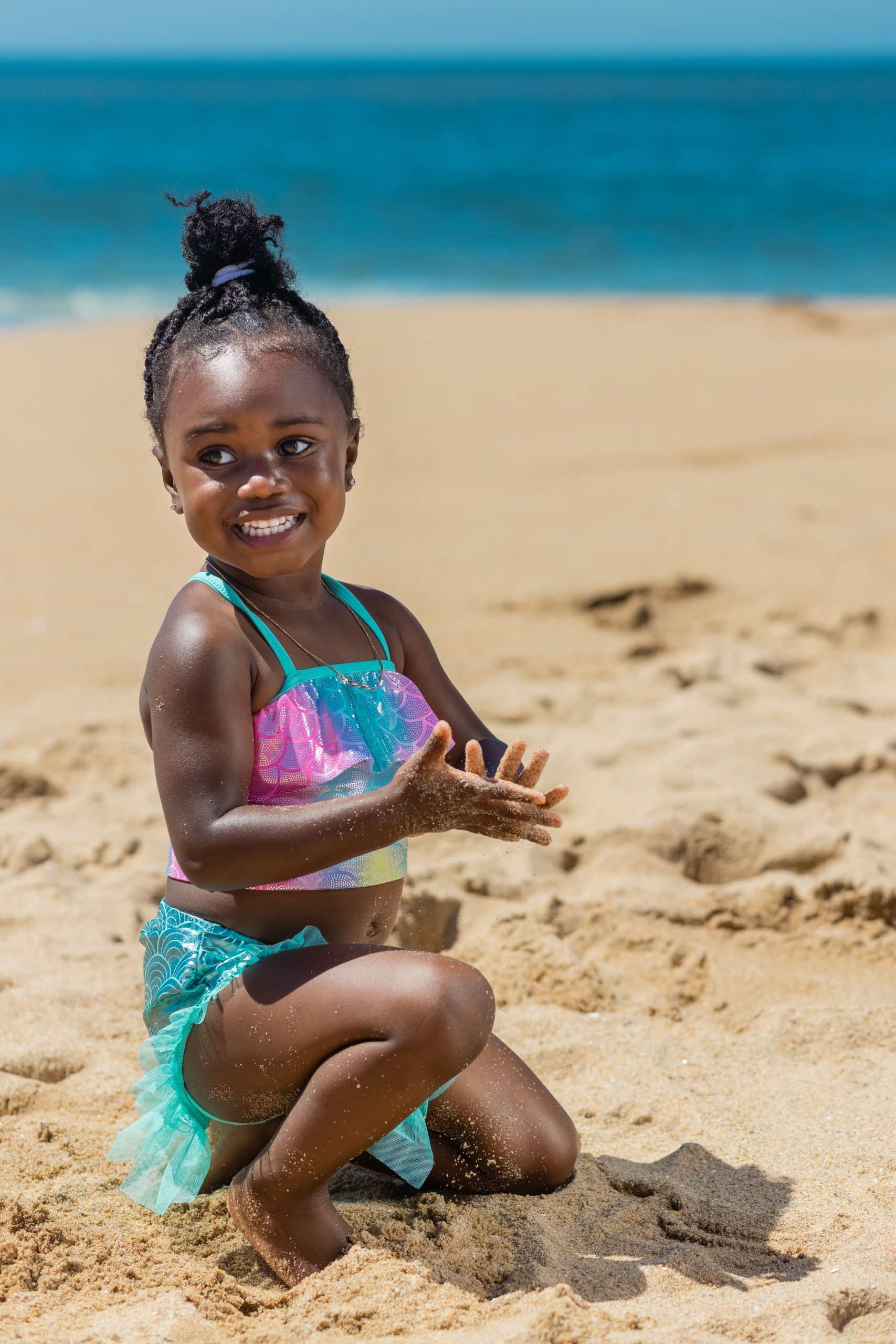
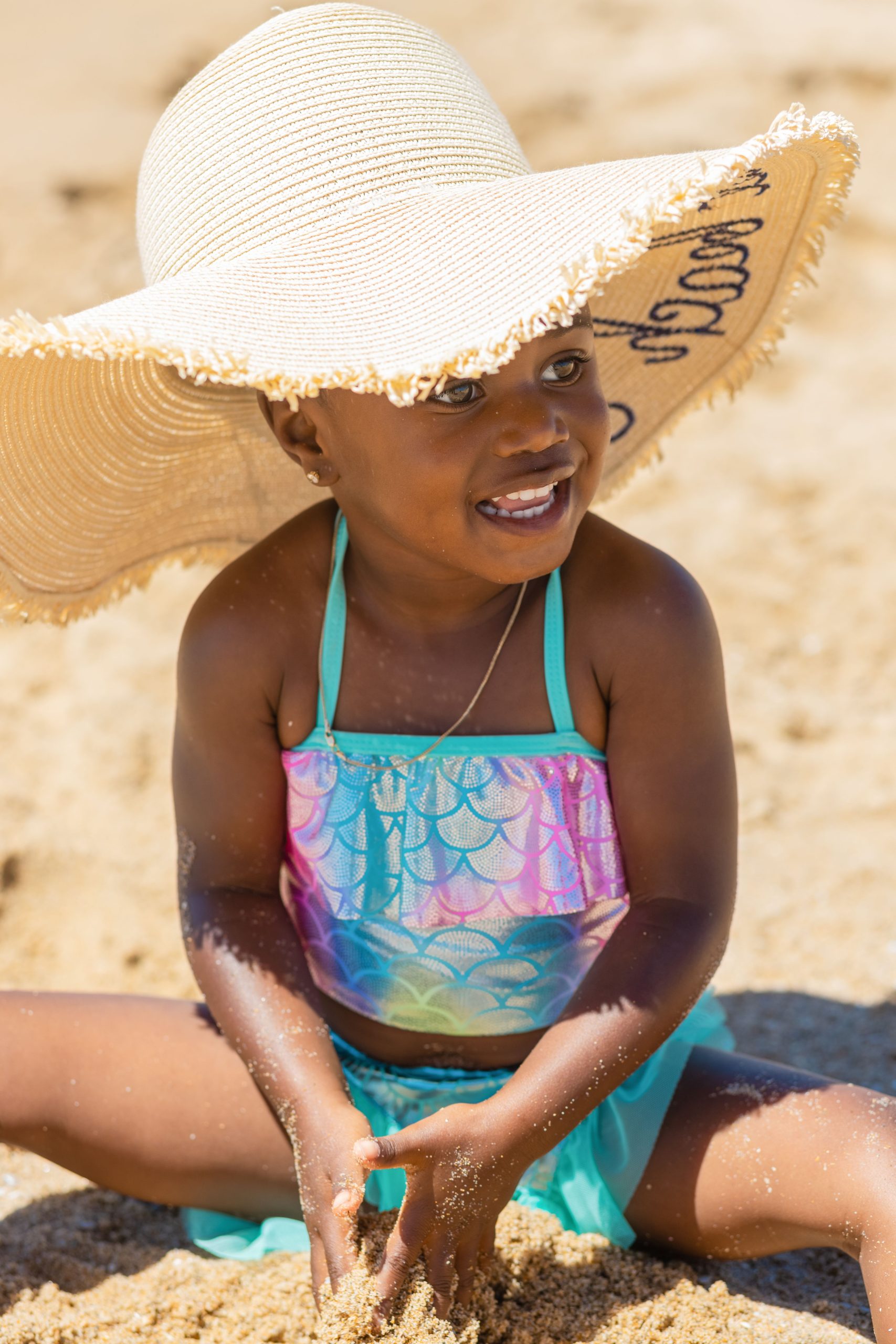
During the hottest hours, encourage children to play indoors or rest in the shade. When outside, use a broad-brimmed hat, suitable sun protection and lightweight clothing. Keep offering water to older children and take regular breaks, particularly during active play.
Remember that shade does not eliminate the risk of overheating. A child can still become dangerously hot while sitting beneath an umbrella or playing under a tree, so continue checking how they are feeling.
Never leave a baby or child alone in a parked car, even for a short time or with the windows slightly open. Temperatures inside a vehicle can rise rapidly, creating a potentially fatal situation.
Sourced from Pexel Images
Know the warning signs of heat-related illness
Children may not always be able to explain that they feel unwell, so it is important to notice changes in their appearance and behaviour.
Early signs of heat-related illness can include excessive sweating, thirst, a dry mouth, headache, dizziness, nausea, muscle cramps, unusual tiredness and heat rash. Babies may become unusually irritable, restless or difficult to settle.
More serious warning signs include confusion, fainting, seizures, difficulty waking a child, rapid breathing, a very fast heartbeat or a marked reduction in wet nappies. Babies may also have sunken eyes, cry without producing tears or become unusually floppy.
Heatstroke is a medical emergency. If you suspect that your child has heatstroke, move them to a cooler place immediately, remove excess clothing and begin cooling their skin with cool water and wet cloths. Use a fan if available, without directing it straight at an infant’s face.
Call an ambulance or get emergency medical help immediately. In South Africa, you can call 112 from a mobile phone or 10177 for an ambulance. Do not delay seeking help while waiting to see whether your child improves. If they are confused, very drowsy or unconscious, do not give them anything to drink. Continue cooling them while help is on the way.
A little preparation goes a long way
Keeping your family safe during hot weather does not require expensive equipment. Access to drinking water, light clothing, a shaded place to rest and an awareness of the day’s forecast can all help reduce the risks.
As South Africa moves through the summer season, check local weather forecasts and heatwave warnings, particularly before planning outdoor activities with young children. If you have concerns about your baby’s feeding, hydration or response to the heat, contact a healthcare professional for advice.
Ultimately, protecting little ones from extreme heat is about recognising their needs before the weather becomes dangerous. With a few thoughtful precautions and close attention to the warning signs, parents can help their children enjoy the summer more safely.
Sourced from Pexel Images
Words adapted from UNICEF South Africa


