
Is Your Child Being Heard? Why Their Thoughts and Feelings Matter

Share

Why making space for little voices matters, and how parents can help children feel heard, respected and understood.
Children have plenty to say, whether through unexpected questions, stories about their day, big ideas or tears when they struggle to explain how they feel. Yet, between busy schedules and everyday responsibilities, it can be easy to overlook just how much children need to be heard.
Listening goes beyond hearing words. It means acknowledging their feelings, taking their concerns seriously and allowing them to express themselves without fear of being dismissed or judged. Even the youngest children have thoughts, preferences and experiences that deserve attention.
This World Children’s Day, observed on 20 November, the theme My Day, My Rights, My Future reminds us that every child has the right to express their views and be taken seriously in matters that affect them. For parents and caregivers, creating space for those voices starts at home.
Why Listening Matters
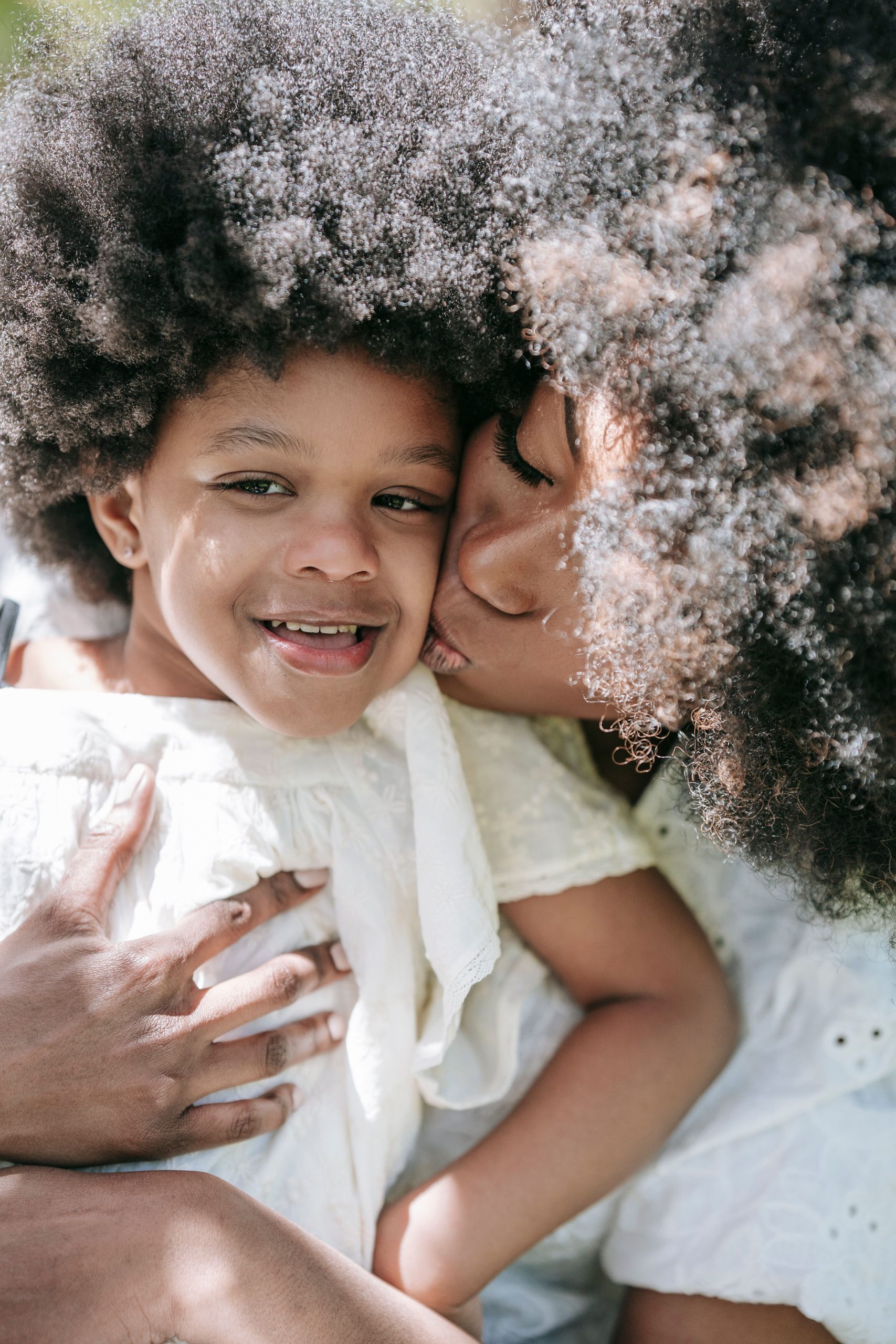
When children feel heard, they develop confidence in expressing themselves and learn that their feelings and opinions matter. It also builds trust, making them more comfortable approaching parents with questions, worries and experiences as they grow.
Listening helps parents better understand their child’s perspective, too. What may seem like a small disagreement to an adult could feel overwhelming to a child. Taking the time to understand their experience can encourage more patient responses and stronger relationships.
Pexel Images
7 Ways to Make Your Child Feel Heard and Understood
1. Give Them Your Full Attention
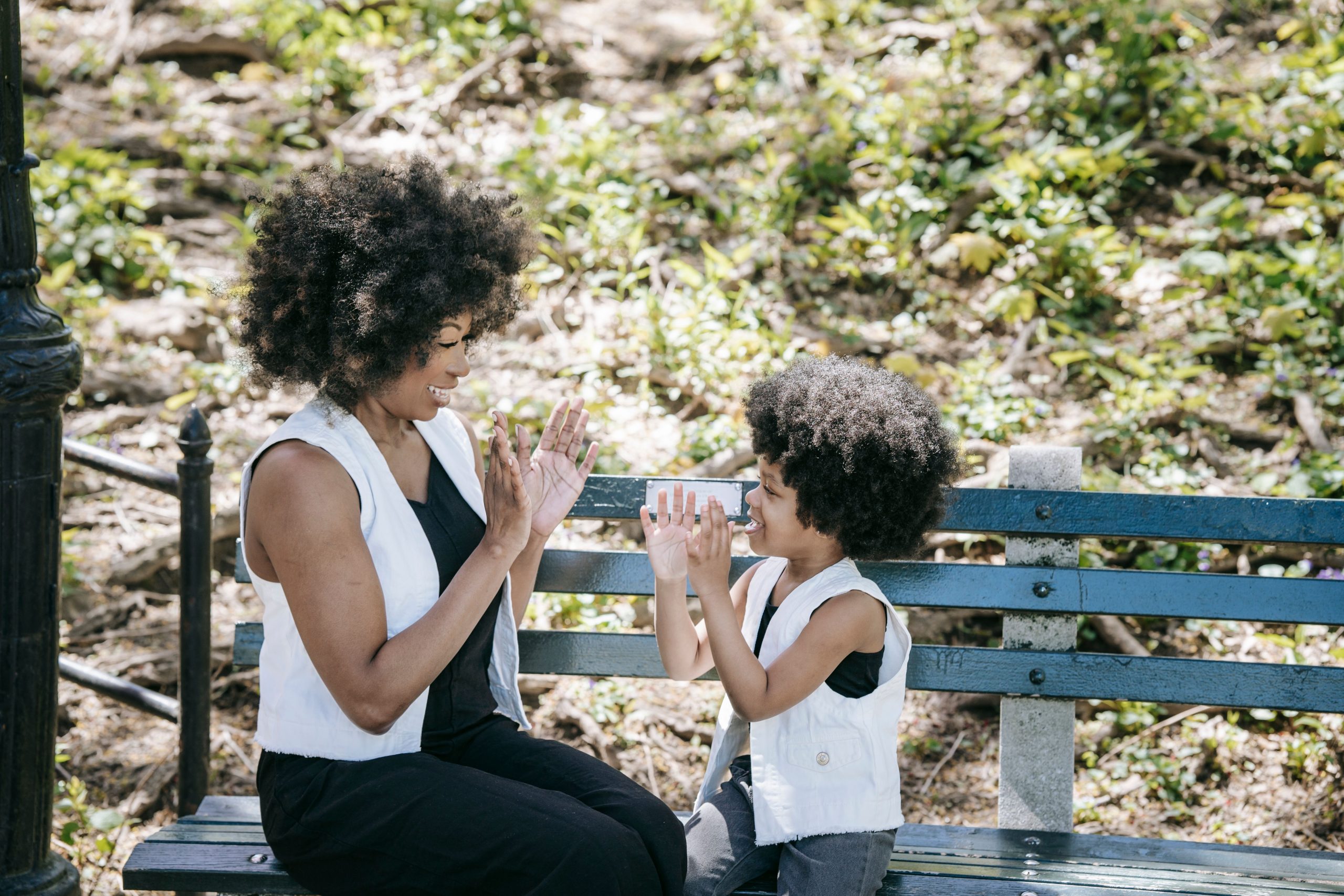
Put distractions aside when your child wants to talk. Make eye contact, get down to their level and show genuine interest in what they have to say.
2. Acknowledge Their Feelings
Not every conversation needs a solution. Instead of dismissing their emotions, reassure them that it is okay to feel upset, frustrated or disappointed. Try saying, “Would you like to tell me what happened?”
3. Ask Questions That Encourage Conversation
Go beyond yes-or-no questions. Ask about the best part of their day, what they enjoyed or whether anything made them uncomfortable. Give them time to answer without rushing them.
4. Resist the Urge to Interrupt or Judge
Allow children to finish expressing themselves before responding. Avoid dismissing their concerns, laughing at their ideas or immediately turning the conversation into a lecture. You can disagree while still respecting their perspective.
Pexel Images
5. Take Their Opinions Seriously
Invite them to contribute to age-appropriate family decisions, from choosing an activity to planning a weekend outing. They may not always have the final say, but knowing their input matters helps build confidence and decision-making skills.
6. Pay Attention to More Than Words
Younger children may struggle to explain their emotions. Notice changes in their behaviour, facial expressions and play, particularly when they seem unusually quiet, withdrawn or frustrated. Offer reassurance and give them space to communicate in their own way.
7. Make Everyday Conversations a Habit
Build opportunities to talk into everyday routines, whether during mealtimes, bedtime or car journeys. Regular conversations help children feel comfortable sharing both the happy and difficult parts of their lives.

Pexel Images
Listening Does Not Mean Saying Yes to Everything
Making children feel heard does not mean removing boundaries or allowing them to make every decision. Parents still have a responsibility to guide and protect them. However, when a request cannot be granted, explaining why and acknowledging their disappointment can make a difference.
In South Africa, Section 10 of the Children’s Act recognises a child’s right to participate in matters concerning them, with due consideration given to their age, maturity and stage of development. Their opinions deserve to be taken seriously, even when adults ultimately make the decisions.
Every Voice Matters
Children do not need to have all the right words to deserve attention. Sometimes listening means answering a difficult question, allowing them to express a different opinion or simply being present while they find the courage to speak.
This World Children’s Day, parents can start with a simple gesture: ask their children what they think, listen without rushing to respond and remind them that their voices matter. A childhood in which children feel respected and understood begins with the everyday moments when adults choose to listen.


