
10 Moments That Changed My Life: Zibu Sithole

Share
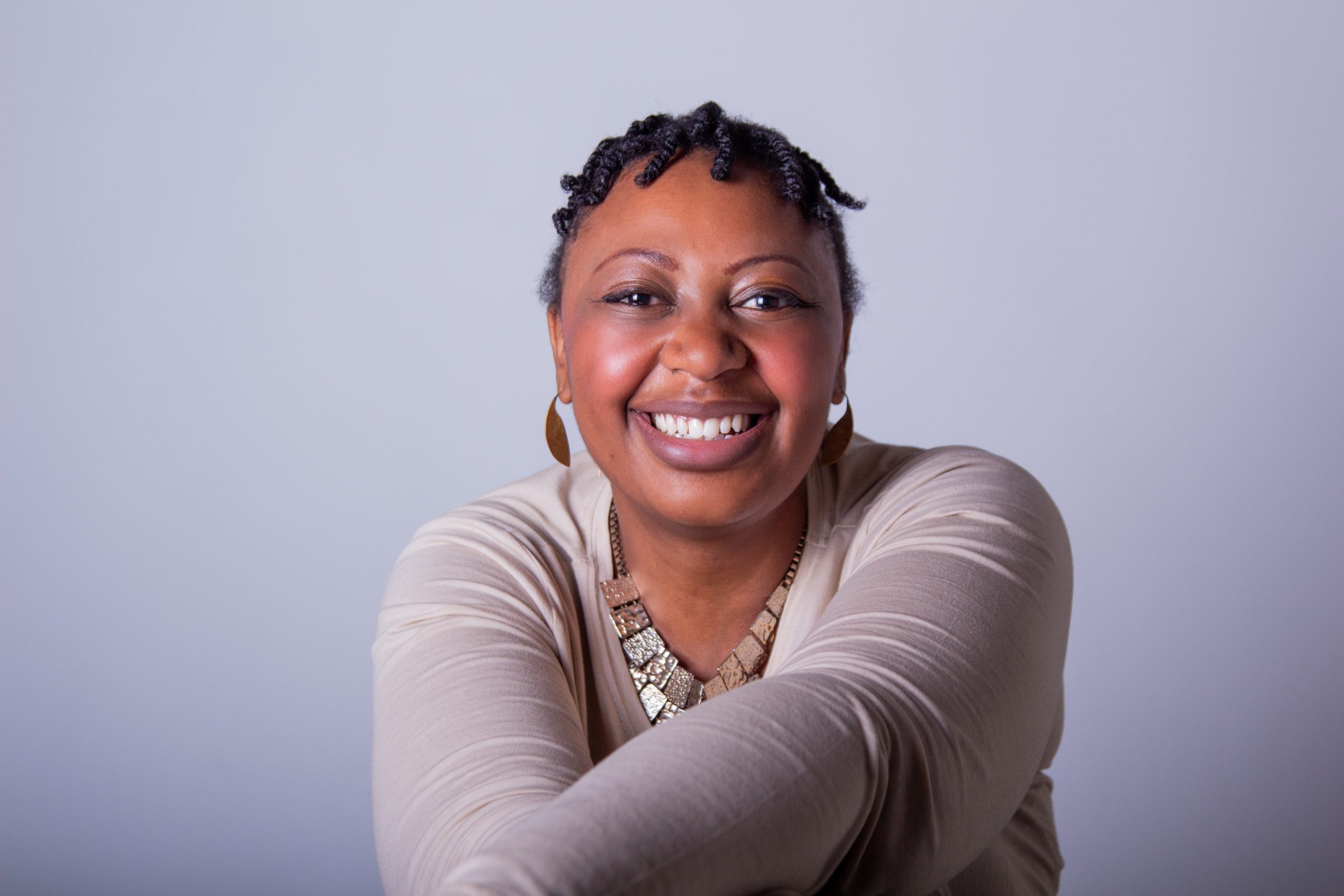
Zibu Sithole is a South African writer, author and journalist with more than a decade of experience writing for television, radio, print and digital media. A published ghostwriter, she has also established herself as a novelist with her Zola series, which began with her debut novel, The Thing with Zola, followed by I Do… Don’t I? and Love, Zola. Her writing journey has also seen her collaborate with television and media personality Ntando Rambani on From One Mother to Another, a book that explores the realities of motherhood, healing and breaking generational cycles.
Having worked in journalism, television and creative writing, Zibu has experienced different sides of the storytelling industry. Her time at 7deLaan allowed her to explore the freedom of creating fictional worlds, while publishing her own novels gave her the professional fulfilment she had long been searching for. But beyond her career, her journey has been shaped by deeply personal experiences, including losing both parents at a young age, becoming a mother at 23 and learning to navigate grief, independence and mental health.
In our latest 10 Moments That Changed My Life, Zibu reflects on the experiences that have shaped her personally and professionally, from her mother’s stroke and the public speaking competition that challenged her confidence to becoming a published author, starting therapy and finding creative fulfilment in television. Her story is an honest reflection on finding one’s voice, embracing change and learning that life does not always unfold according to plan.
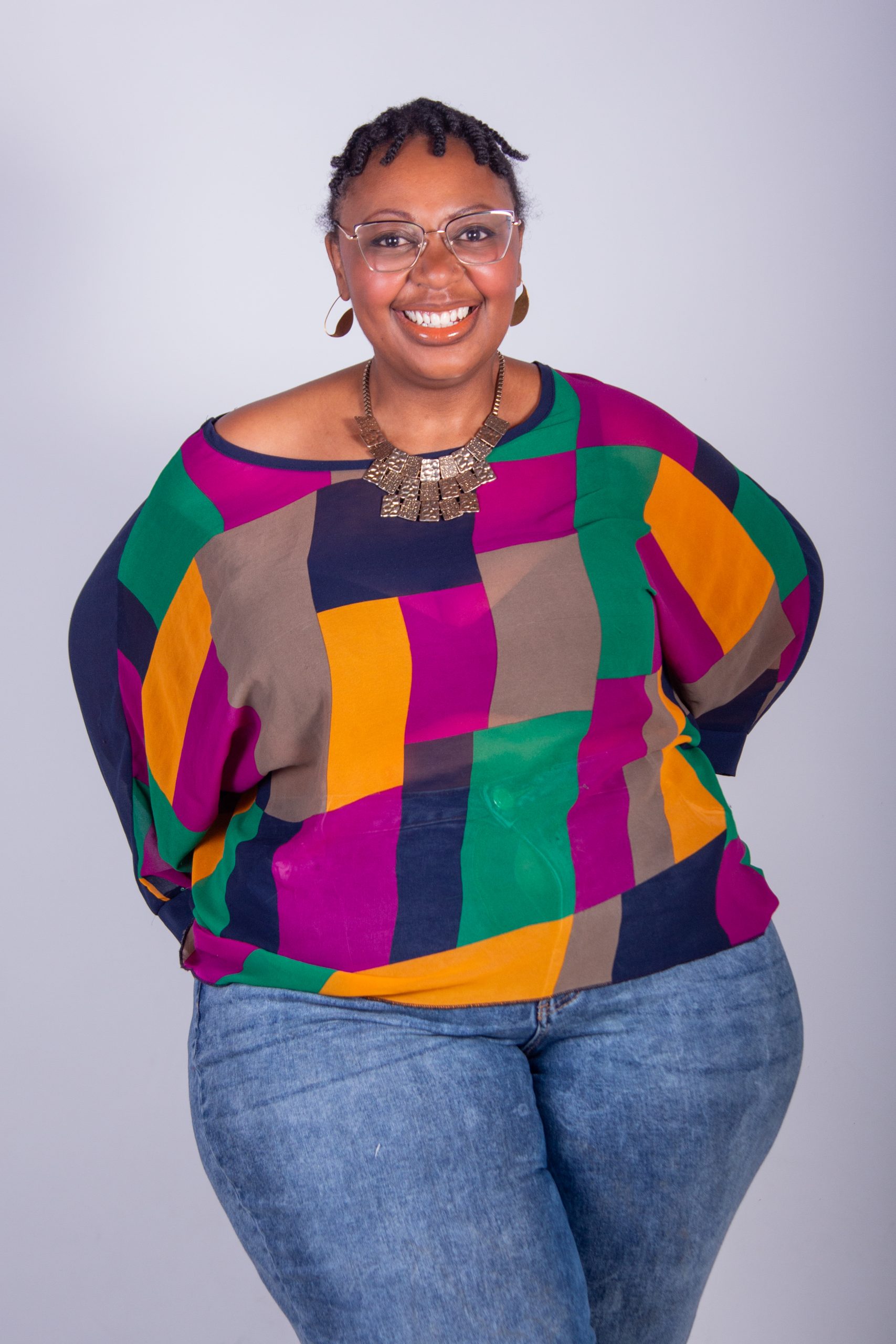
Zibu Sithole | Supplied
1. My Mother’s Stroke
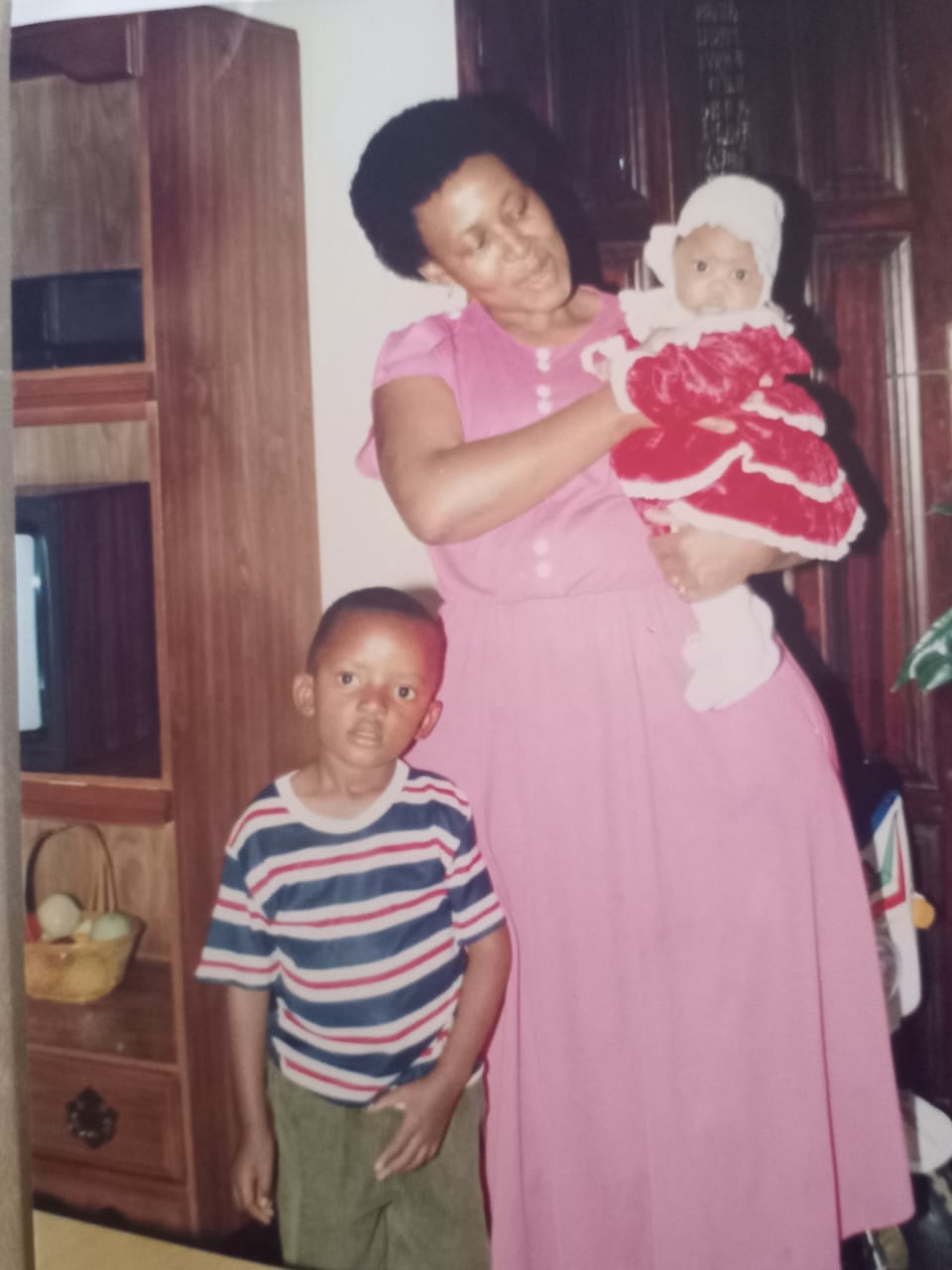
Partial family portrait of Zibu’s mom, her brother Ntuthuko and herself taken by her dad | Thokoza, Ekurhuleni, December 1991
My mother suffered a stroke when I was five. It was a major stroke on a weekday morning while she was waking my brother and me up to get us ready for school. It stripped my mother of her ability to speak or move any part of her body below her neck. In the moment, it changed many practical parts of my life, but as an adult, I see how it altered how I saw my parents and how I imagined family.
My parents stayed married; my father rearranged his life around showing up for us and being a supportive husband to my mother, spending as much time as he could with all of us between work commitments. Before the stroke, we had a traditional family: mum, dad, two kids; all that changed.
I didn’t notice it then, but it’s so clear now how devoted my father was to my mother. Theirs will always be my favourite love story. My memories of that time continue to change how I see people, relationships and the standards I set for the people (blood-related or not) I consider family, as well as the standards I hold myself to. My definition of love now isn’t affection when it’s convenient; it’s actually being there when it’s not.
2. The ABSA Rotary Public Speaking Competition
In high school, I joined the public speaking team and went on to represent both the school and myself in the ABSA Rotary public speaking competition with the support of my English teacher, Miss Marlene Gracie. I practised, made it to the finals and then I froze. I was standing on the stage alone at the ABSA auditorium in Johannesburg and couldn’t think of a single thing to say about puddles, which was the topic I was given 10 minutes before I had to speak.
It was a failure, but I wasn’t. I had still made it much further than I ever expected to, and my teacher, who had watched me prepare, opened her home up to me and drove me there herself, was still proud because she knew what it took to get me on that stage in the first place. It was also a personal win for a shy, introverted girl who lived mostly in her own head.
Public speaking is now part of my regular work; I still get stuck and sometimes have no idea how to answer a question, but I’ve known for years that not knowing what to say in the moment doesn’t permanently strip you of your voice.
3. Becoming a Mother
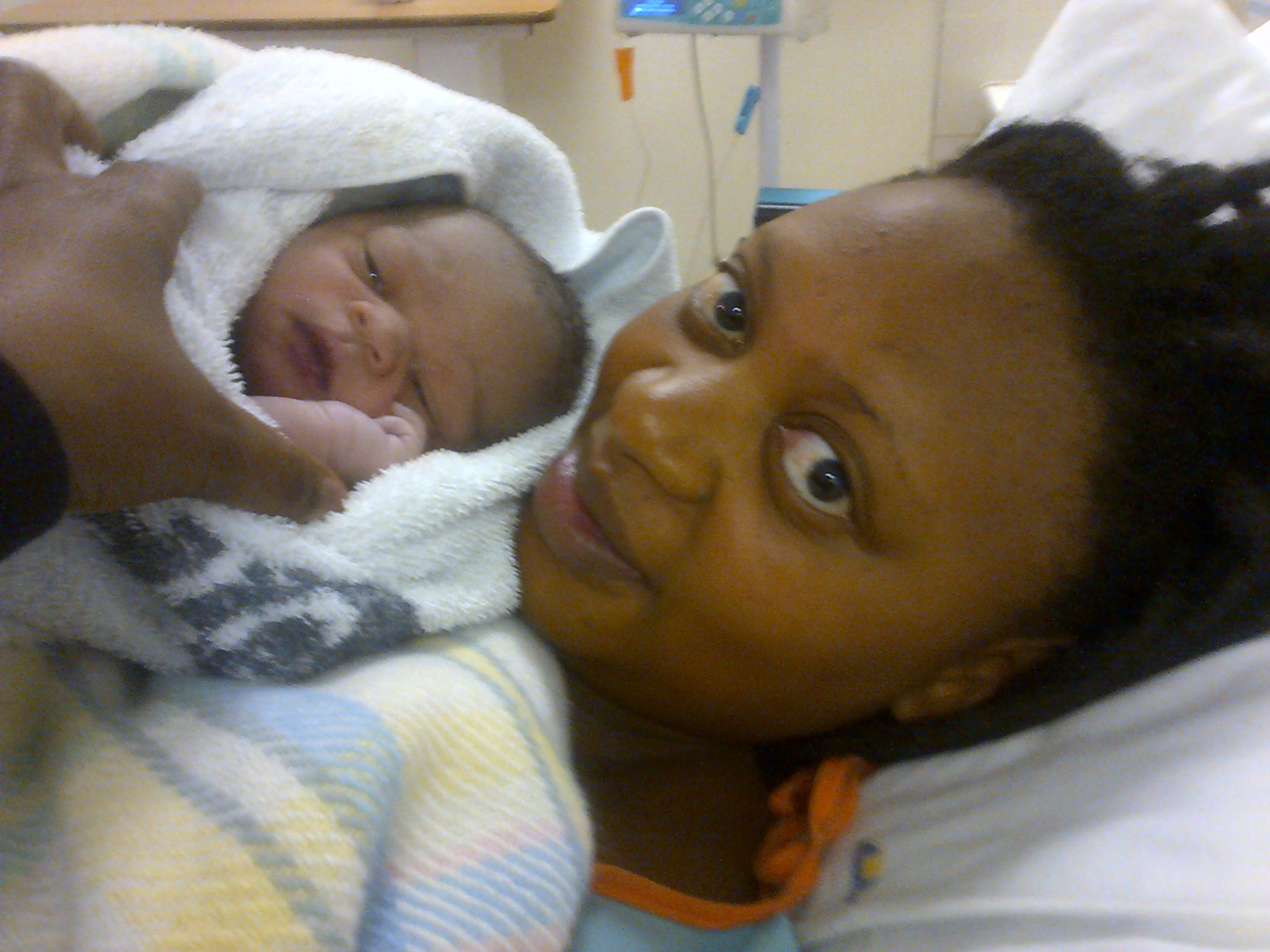
Zibu with her son Langa | Alberton, Ekurhuleni, August 2013
I became a mother earlier than I had expected. I was 23, finally earning what I considered a respectable salary with benefits like medical aid, but I was far from ready.
I wanted a family of my own more than anything, and I wasn’t getting that. No husband, no loving partner, just me and my baby. It didn’t take long for me to realise that that was actually what I needed.
Before my son was born, I was reckless; I definitely drank more than I should, stayed out and went out with very little thought of my safety. I was moving through adulthood without accountability or much direction, and I was feeling very low. I didn’t take care of myself or love myself as I should.
Becoming a mother, having someone waiting at home for me and being a little boy’s entire world changed how I saw myself dramatically. I felt important, needed, loved and wanted for the first time in a long time. My son probably saved my life.
4. My First Job
My first job was at The New Age. I was a cadet journalist and realised I didn’t know as much as I thought I did. Getting through university doesn’t automatically mean you’re ready for the working world, and a rough stint in a newsroom was a wake-up call like no other.
I cried through the six months of being out of the house at 4am, taxi drama, buses, lift clubs and a scramble for the diary meeting, and learned to build an actual work ethic. Doing just enough doesn’t cut it in the real world; you have to do your best.
5. Getting Published
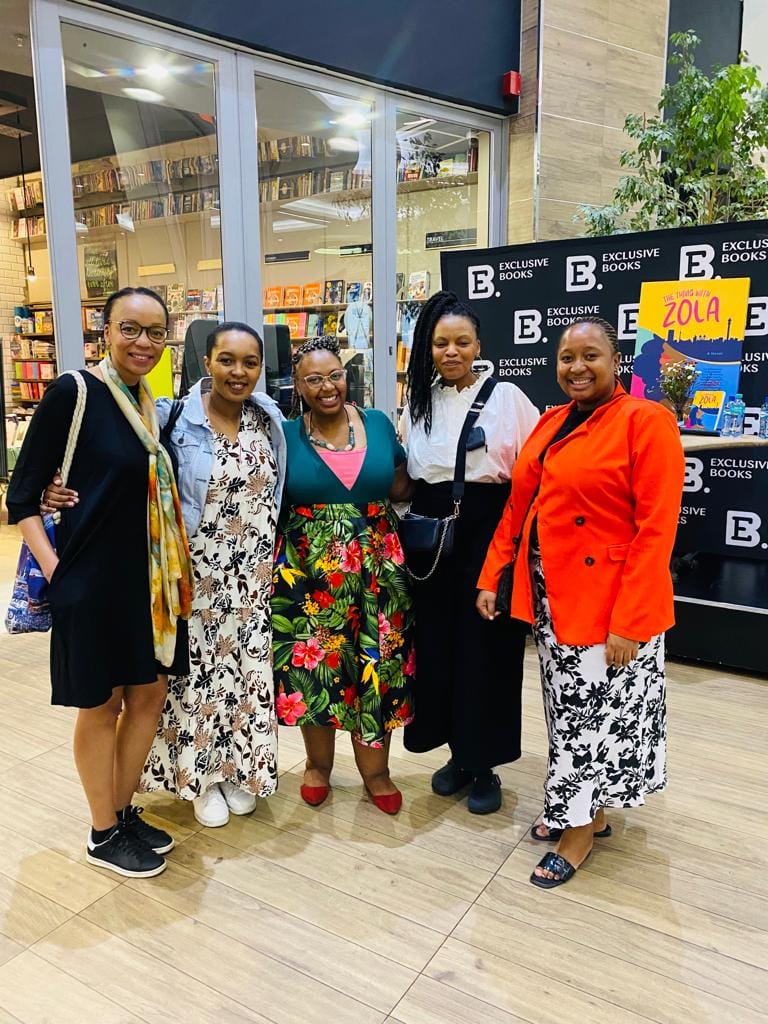
The launch of The Thing with Zola, Mall of the South, September 2023 ( In the picture: Karabo Kgoleng, Nkanyezi Tshabalala, Zibu Sithelo, Zodwa Kumalo-Valentine and Tshepiso Makhura)
My debut novel, The Thing with Zola, was published after I realised what kind of work I wanted to do, but before I figured out how to turn the kind of work that makes me happy into an actual career.
That was the beginning for me, and I am so grateful for the people around me and my publishers at Pan Macmillan for telling me it was not just possible, but that a story I made up in my head was worth investing in and putting on the shelves.
It was a win I desperately needed and a launch pad I had no idea how to find on my own.
It was the start of a life I never even dared to dream of. It wasn’t an instant rags-to-riches deal, but it gave me the professional fulfilment I had been looking for.
6. Becoming an Orphan
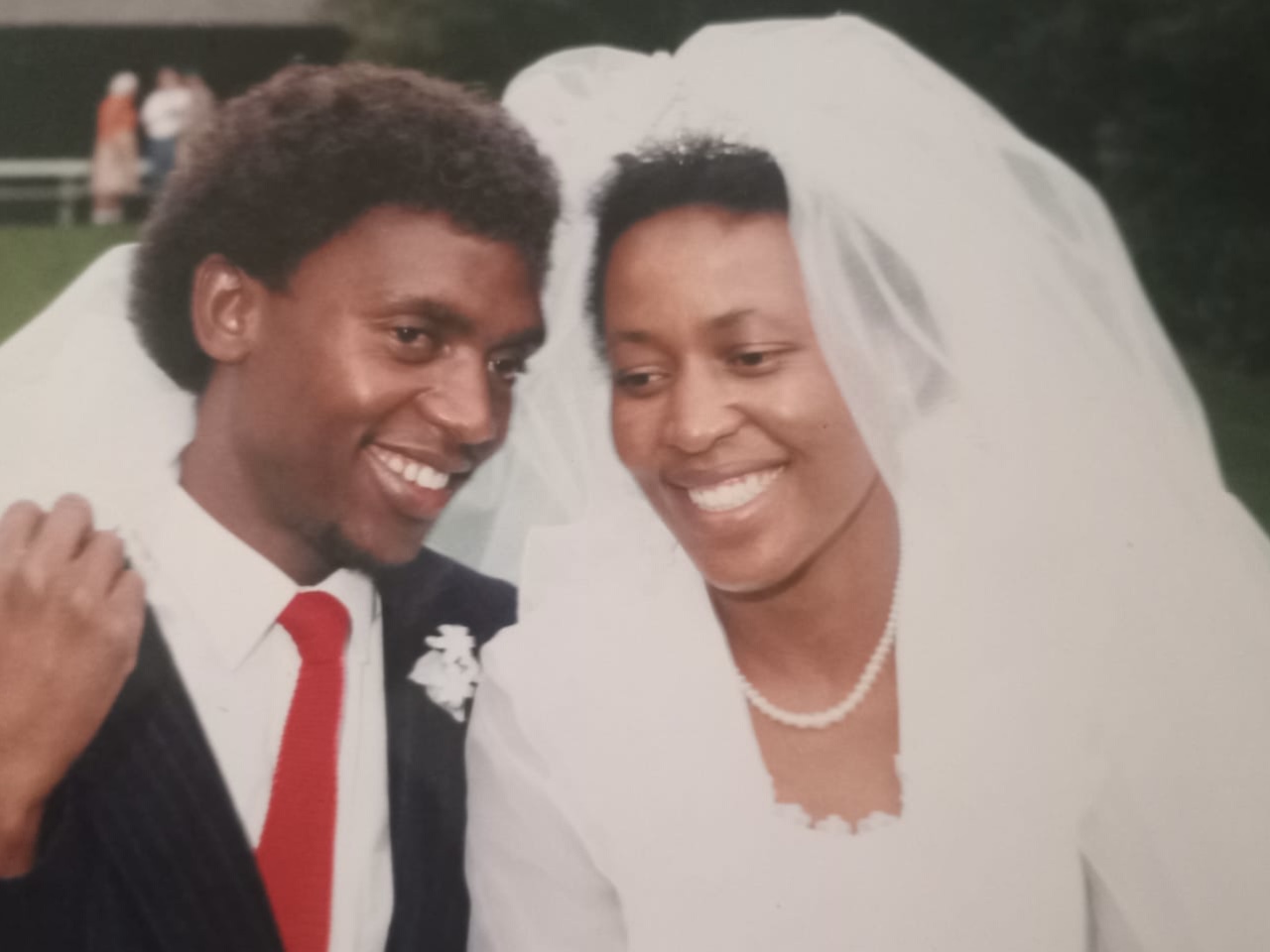
Zibu’s mom and dad (Fikile Mnguni-Sithole and Mzwakhe Sithole) at their wedding in Houghton, Johannesburg, April 1987
When I was 15, my father died. My mother had died five years before, and I hadn’t seen either of their deaths coming. Although I still had family, I did have to become more independent. Without my dad, I didn’t have an automatic safety net and suddenly had to make financial decisions. There were safeguards, but having resources isn’t the same as having the guidance a child still needs in those critical teen years. I had to grow up quickly and learn to ask for help because it didn’t just come automatically, and to accept when no one could show up for me exactly how I wanted them to.
7. Starting Therapy (Properly)
I have started and stopped therapy many times through CPTSD and then postpartum depression. When life got hectic, I would simply stop.
After I suffered a miscarriage in 2026, I genuinely felt like I had lost my mind (which just added to my anxiety because my mind is how I make a living). Through therapy, I gained so much perspective; I realised that the performative kindness I had given myself wasn’t enough. Achieving professional success hadn’t fixed everything in my life, as I’d pretended it had.
I had been in a toxic relationship, and the years of narcissistic abuse were finally catching up with me. I hadn’t consciously hidden it from my friends and family; I had convinced myself that it was the best I could hope for, and I burdened myself with the constant need to make it work (on my own) so I could earn my happily-ever-after.
My hyper-independence was something I had needed before, but getting help, knowing my limits and learning to let things go were things I had to hear from a professional.
8. Being Retrenched
I worked as a full-time journalist for over 10 years. During that time, I took jobs because I needed the money, not because I felt drawn to the work or the publication, and between paycheques I was actually really miserable.
I was most miserable at my last job; it wasn’t the pressure or working through a pandemic that made me miserable; it was feeling like I had to be someone other than myself to make a living.
I didn’t genuinely care about the stories I was telling; the news cycle moved so fast it was impossible to actually become attached to what I was writing about, and even though I didn’t want to do it anymore, I couldn’t just stop because I had bills to pay.
I was so relieved when I was eventually retrenched because it forced me to walk away from a job and a way of surviving I should have walked away from a long time ago.
9. Buying My First Car, Then Letting It Go
I bought my first car soon after my son was born. It was a mommy van, and I loved it. I paid for it upfront, and between jobs and dips in my income, I had always told myself that at least I still had the car.
I finally let it go a few years ago. It had been a second-hand buy, and I drove it for over 10 years. Repair costs, servicing, new tyres, insurance and all the costs that come with having a car suddenly felt overwhelming because I didn’t (and still don’t) have a steady full-time income.
I had to let that car go because it no longer served me. I cried when the buyer drove it out of the garage and took videos of it as it backed away, and I sometimes still miss it. Before, I had been forced to let things go by circumstances, but this time it was all on me, which sounds like a dramatic way to describe selling my first car, but I had held onto it as a symbol of unshakeable independence. I’m still independent, still working towards my goals, and losing the car didn’t change that. I am more aware of my financial priorities.
10. Working at 7deLaan
I’ve always written. I’ve made up and written stories since I was a child and somehow thought journalism would be like being paid to do what I liked. It wasn’t and isn’t.
I worked at 7deLaan for two years and finally found a place for my creativity. It was mind-blowing to email a storyline and watch it play out on screen. I wasn’t retelling events; I was creating events without the bounds of reality. I loved that.
The show didn’t just depict aspirational South Africa; for me, it was exactly that. It wasn’t the perfect workplace; there was the usual workplace drama, but I was happy doing the work I was doing and excited to write with fewer restrictions than reality translated into statements of fact on paper and screens could allow.


