
Are we making healthy eating enjoyable for our children?

Share
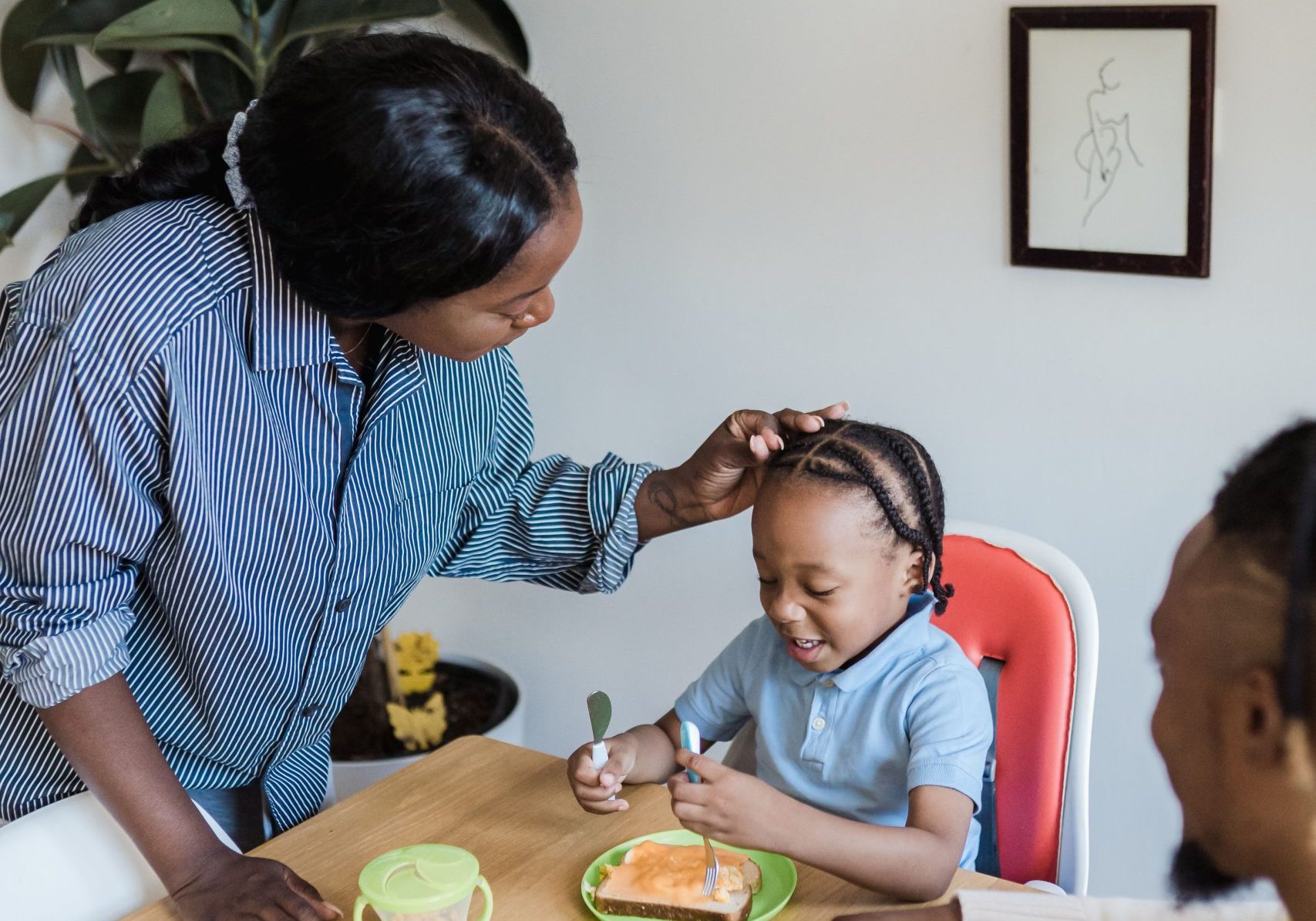
Simple ways to help your child enjoy nutritious foods and develop positive eating habits.
Healthy eating is about more than what ends up on your child’s plate. It is also about the habits, experiences and attitudes they develop around food as they grow. From learning to enjoy different flavours to recognising when they are hungry or full, these early experiences can shape how children approach food well into adulthood.
As a parent, you play an important role in laying the foundation. The good news is that you do not need elaborate meals or a perfectly planned menu to get started. Everyday moments, from preparing supper together to choosing fruit at the shops, can become opportunities to encourage healthier habits.
Here are six ways to help your child develop a healthy relationship with food.
Sourced from Pexels
1. Lead by example
Children often learn by watching the adults around them. If they see you enjoying a variety of foods, drinking water and making time for balanced meals, they are more likely to become curious about those habits themselves.
Try to make healthy choices a family experience rather than something expected only of your child. Enjoy meals together when possible, and let little ones see that nutritious food can be colourful, satisfying and delicious.
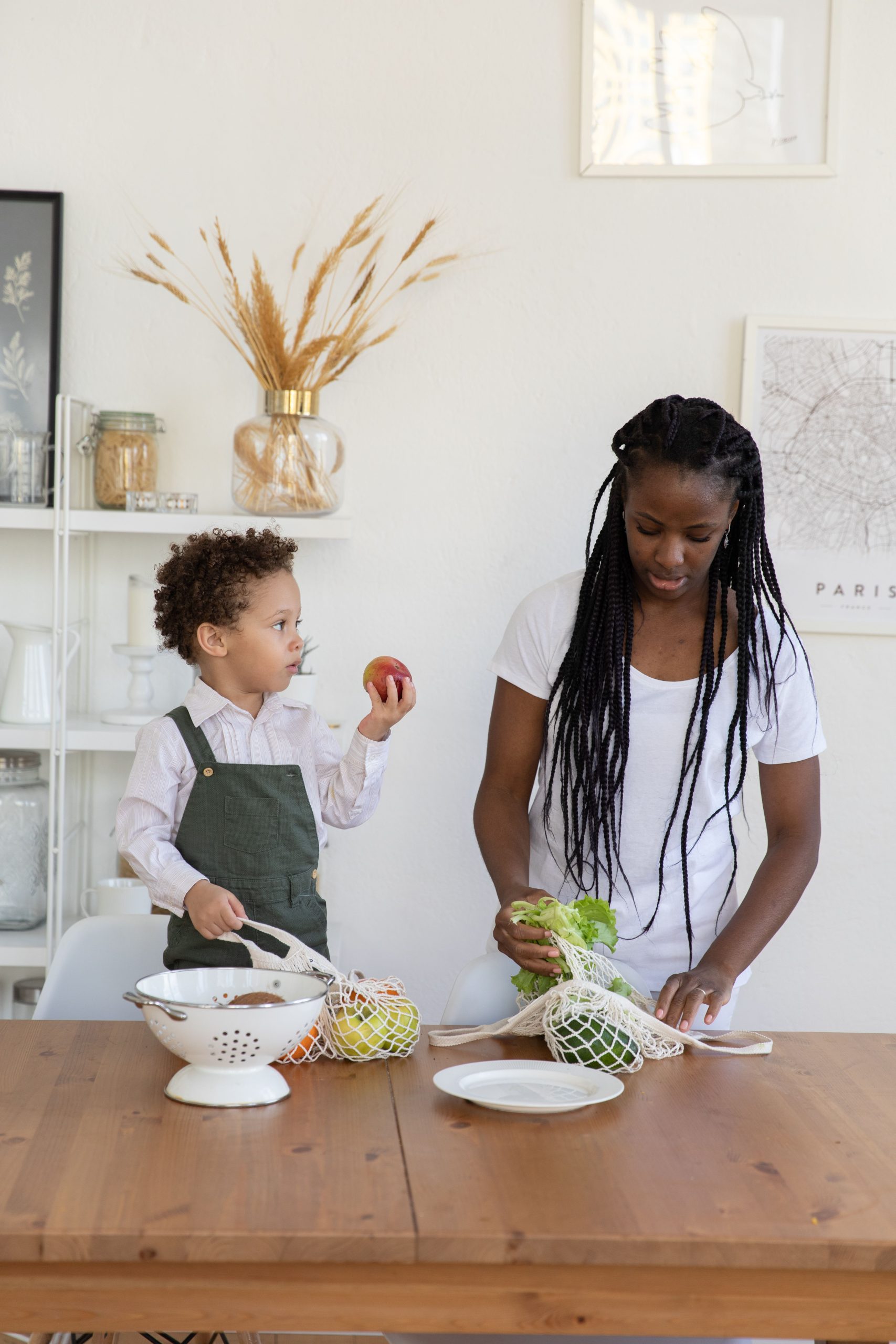
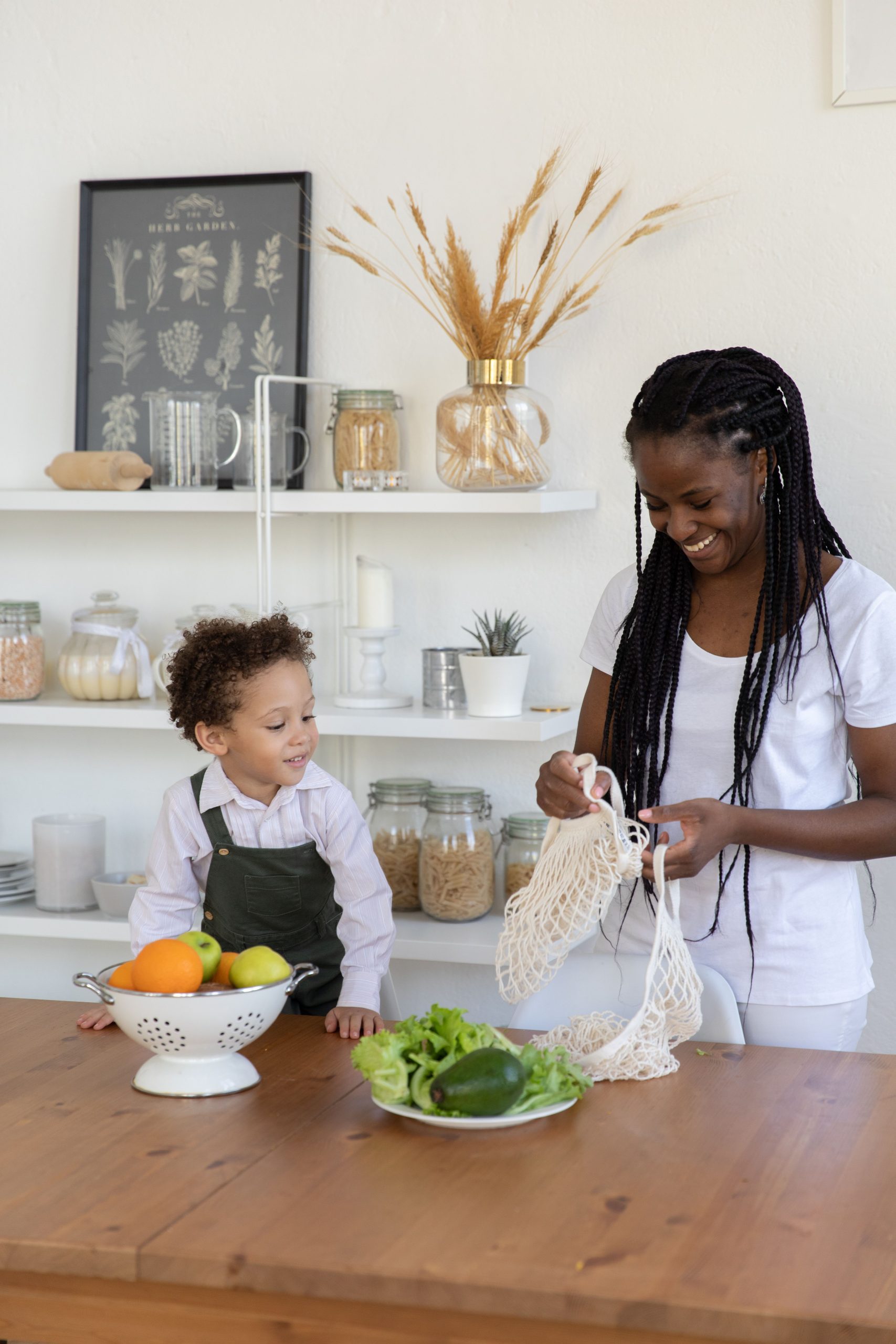
You can also involve them in simple tasks such as washing vegetables, stirring ingredients or choosing fruit at the supermarket. Being part of the process can make children more interested in what they eat.
2. Make trying new foods an adventure
Children may need several opportunities to become comfortable with unfamiliar foods. A vegetable they refuse today might become something they enjoy after seeing it, smelling it or tasting it on another occasion.
Introduce new foods gradually and offer them alongside familiar favourites. Let your child explore different colours, textures and flavours without making them feel pressured to finish everything.
You can make the experience enjoyable by arranging fruit and vegetables in colourful patterns, trying a new recipe together or allowing your child to choose one unfamiliar ingredient during your next shopping trip. The aim is to build curiosity, not turn every meal into a negotiation.
Sourced from Pexels
3. Help them listen to their bodies
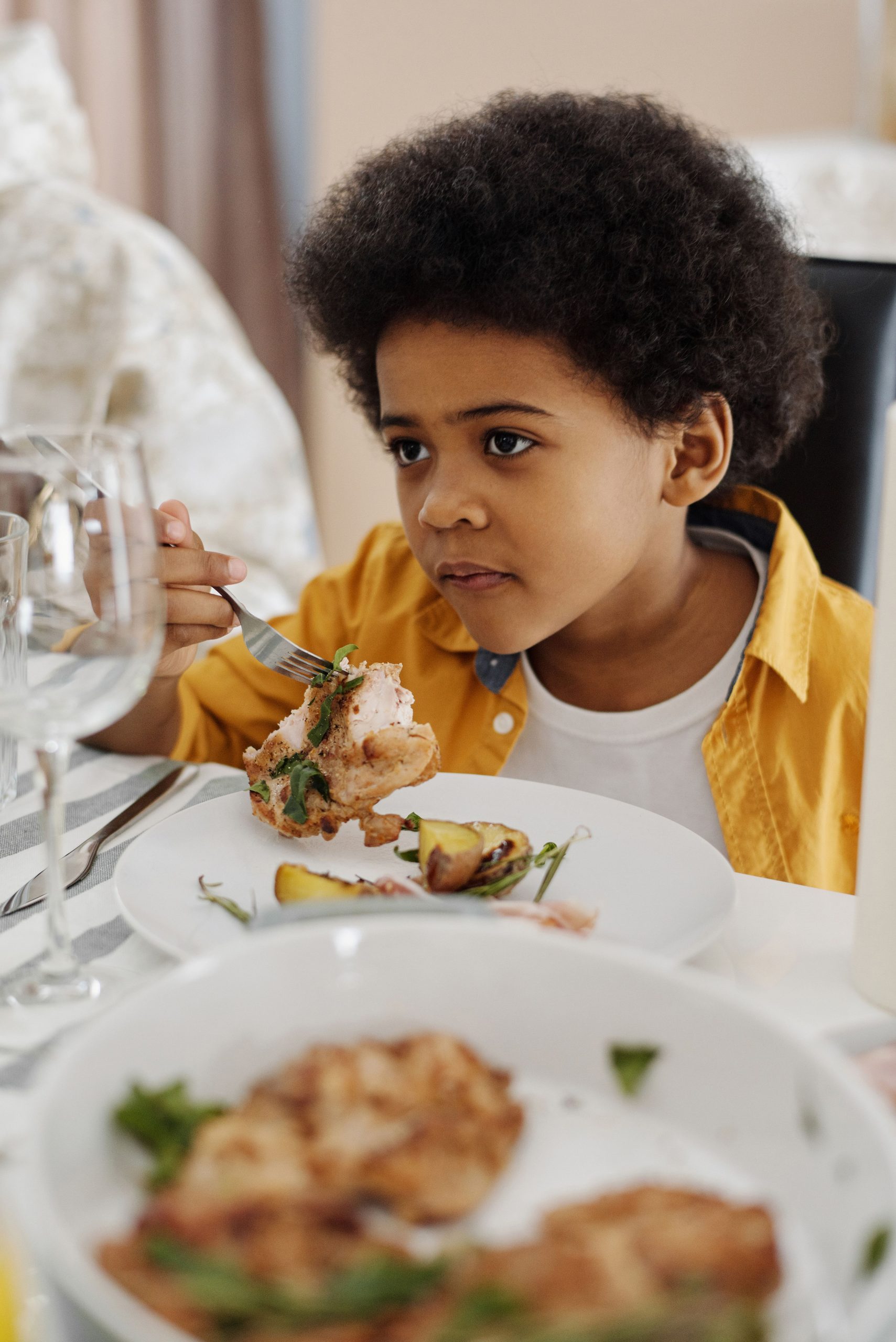
Children are still learning to recognise their body’s signals, including hunger and fullness. Encouraging them to pay attention to these feelings can help them develop a healthier approach to eating.
Rather than insisting that they finish everything on their plate, allow them to communicate when they have had enough. Equally, avoid dismissing genuine hunger simply because it is not mealtime.
Offer age-appropriate portions and allow your child to ask for more if they are still hungry. Appetite can vary from one day to the next, depending on factors such as activity, growth and routine. Learning to respond to these changing needs is an important part of developing healthy eating habits.
4. Keep food free from labels and pressure
The language adults use around food can influence how children think about eating. Describing certain foods as ‘bad’ or making children feel guilty for enjoying a treat can create unnecessary anxiety around mealtimes.
Instead, talk about food in terms of variety and what different choices can offer the body. Explain that fruit, vegetables, whole grains and protein-rich foods provide nutrients that support growth and energy, while treats can also be enjoyed as part of an overall balanced approach.
Try not to use sweets or snacks as rewards for good behaviour, or withhold food as punishment. Food should not become a bargaining tool. Creating a relaxed environment helps children enjoy meals without feeling judged or pressured.
Sourced from Pexels
5. Make balanced meals part of the routine
Regular meals and snacks can help children get the nourishment they need throughout the day. Breakfast is a particularly useful opportunity to start the morning with a variety of nutrients.
Depending on what your family enjoys and has available, breakfast could include oats, eggs, wholewheat toast, plain yoghurt or fresh fruit. Other meals can bring together vegetables, fruit, whole grains and protein sources such as beans, lentils, eggs, fish or chicken.
You do not need to prepare something different for every family member. Look for simple ways to include a variety of food groups in meals, while keeping your child’s age, appetite and individual needs in mind.
6. Make healthy living a family affair
Healthy habits extend beyond the dinner table. Regular movement, adequate sleep and enjoyable family routines all contribute to a child’s overall wellbeing.
Find opportunities to get active together, whether that means going for a walk, playing outside, dancing to a favourite song or enjoying a game at the park. Choose activities that are appropriate for your child’s age and abilities, and focus on having fun rather than performance.
You can also encourage children to drink water regularly and make time for restful routines. When healthy habits become part of everyday family life, they are more likely to feel natural rather than like rules imposed on children.

Sourced from Pexels
Building healthy habits, one meal at a time
Raising a healthy eater is not about getting every meal right or expecting children to enjoy every food immediately. It is about creating positive experiences, offering variety and giving little ones the opportunity to develop confidence in their choices.
Be patient when introducing unfamiliar foods, celebrate their curiosity and remember that children learn at their own pace. With consistent encouragement and a supportive approach, you can help your child build a positive relationship with food that grows with them.


