
Bayanda Gumede Is on a Mission to Help Parents Raise Children With Intention and Heart

Share
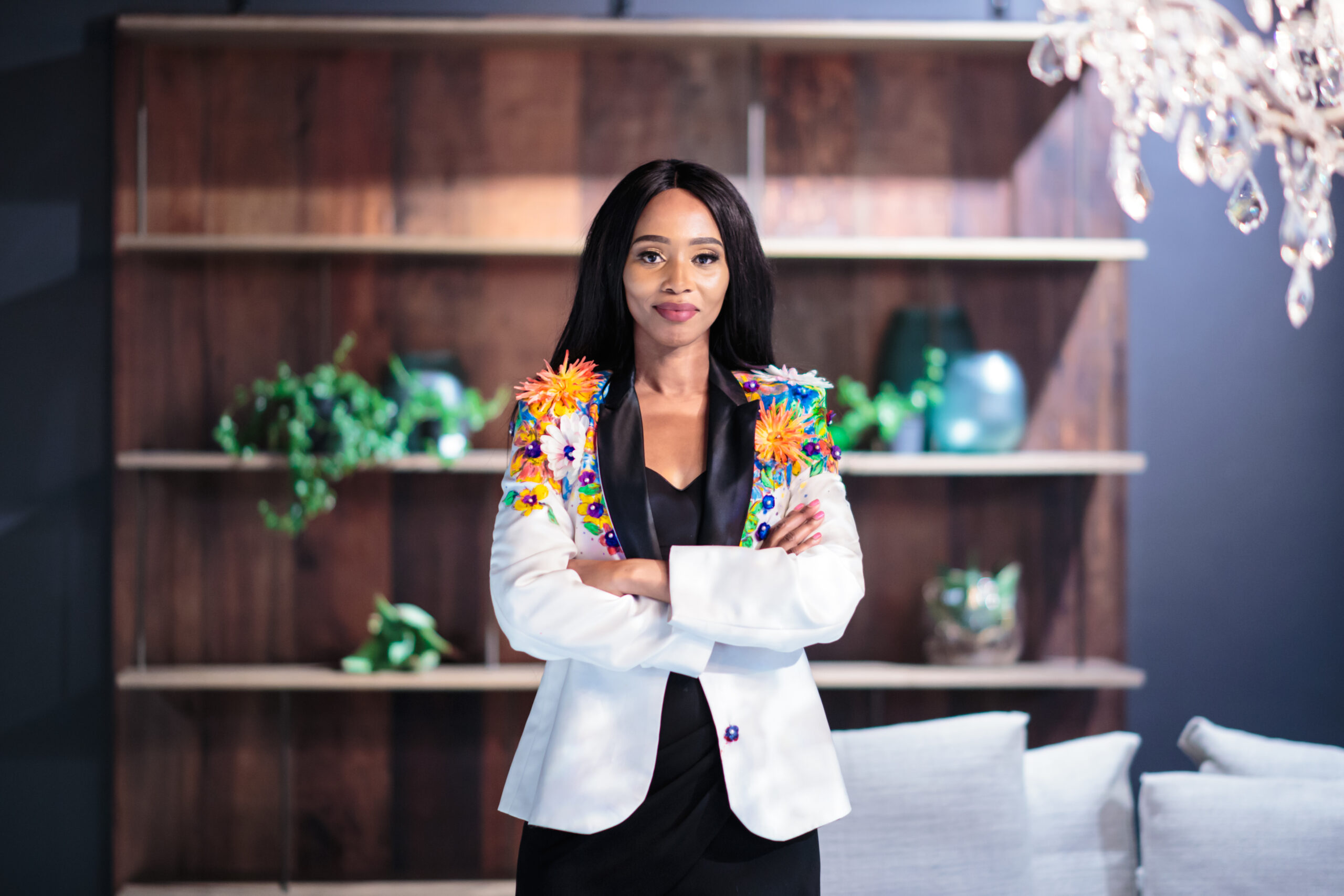
“We need to spend more time with our kids and be more present—those are two completely different things.” – Bayanda Gumede
What began as a personal quest to create harmony within her own blended family turned into something far greater for Bayanda Gumede. In seeking ways to build balance, connection, and understanding at home, she laid the foundation for International Parenting SA—a growing movement aimed at uplifting, guiding, and empowering parents across South Africa on their unique parenting journeys.
Bayanda’s mission was born from a powerful realisation: too many parents are raising children on autopilot. Whether it’s repeating patterns from their own childhoods or simply doing what society expects, many parents haven’t paused to ask themselves the simple yet profound question: What kind of parent do I truly want to be?

Bayanda Gumede | Supplied
Through her platform, she encourages parents to take a step back, reflect, and adopt a more conscious and intentional approach to raising the next generation.
“Through my own research, I realised how intentional parenting really is,” she explains. “It touches every part of our lives—how we discipline our children, how we speak to them, and even how we carry ourselves. That’s where the name came from. I truly believe we all need to be intentional with how we raise our children.”
Intentional parenting, she says, is not only vital for the wellbeing of the children in our care but also necessary for navigating the fast-changing world we now live in.
“It’s incredibly hard to parent in today’s world,” she reflects. “There are so many external factors. Back in the day, our parents were mostly worried about our safety out on the streets. But now, even at home, our children are at risk—because of what they’re exposed to on tablets, cellphones, and online platforms. So the times have changed drastically, and that calls for a real shift in how we parent.”
She adds, “We need to spend more time with our kids and be more present. Those are two completely different things.”

Bayanda Gumede | Supplied
Through International Parenting SA, Bayanda noticed a gap in how parents are supported to work on themselves first—healing past wounds, confronting old conditioning, and building self-awareness—so that they don’t unconsciously project those wounds onto their children.
“I found similar platforms abroad, but not many local ones. And I strongly believe we, as Africans, especially need this kind of space. We can be so stubborn—we often think we have it all figured out, but we don’t. We all have work to do,” she says.
Bayanda’s own upbringing stands as a powerful reminder of the impact of emotional presence in parenting.
“I grew up with both my mom and dad. My dad was physically there but emotionally unavailable. My mom, although present, was in survival mode. So I became a very dependent child. I realised quite early that I was on my own emotionally, and because of that, I’ve worked hard to be emotionally available for my kids. That has always been my number one goal.”

Bayanda Gumede | Supplied
She remembers her mother as both loving and tough.
“My mom was lovely, but she was also very hard. She shouted a lot. I used to be like that too—I shouted. But over time, I’ve done the work and made a shift. Now, I try to be extremely gentle with my kids.”
Even so, there are values her mother instilled that she still carries with her today.
“My mom taught me how to work hard, and that’s something I also try to instill in my children.”
Before having her first child, Bayanda had already prepared herself with plenty of parenting books—but looking back, she realises that she had focused more on the basics.
“I had all the routines down—sleep schedules, feeding him nutritious meals—I had figured all that out,” she says. “But when he started growing older and it came time to discipline him, that’s where I was completely lost. I didn’t want to spank him because that’s how I was raised, and I knew I didn’t want to pass that down. But the truth is, I didn’t know any other way. That was my biggest challenge.”

Bayanda Gumede | Supplied
Another challenge came with showing up differently for her different children.
“My experience as a mom—I don’t think I would have become the person I am today if I wasn’t a mom. As difficult as it is, and sometimes I even question my own decisions, but I wouldn’t have it any other way. It has forced me to really work on myself, to go back into my childhood and heal for my kids, which has made me a better person, a better friend and a better wife.”
As a mother in a blended family, she shares that it has taught her empathy.
“When my husband and I got married, I was quite immature, and I was just struggling with blended family issues. As a researcher, I came across a blog post where the authour said it took their family 10 years to feel like a real family. I cried. But she wasn’t lying. It literally takes that long.
“So a blended family has also taught me patience and unconditional love. It’s the hardest thing one can ever do, especially if you aren’t prepared for it. But in the end, when it all comes together, there is nothing more rewarding,” she shares.
Platforms like her offer that additional support, especially in a society where majority have had painful upbringings with parents who were on survival mode and with zero capacity to support us the way we needed to be supported.
“We all have the potential to be the kind of parents that our children need; however, there are a lot of things that are standing in our way. These platforms are important just to bring awareness to those things that are preventing us from becoming those parents,” adding that healed parents can raise healed children in this very painful society.
“And that is my mission, to help this generation of parents for the next generation,” she said.


