
Kefilwe Sibenya’s Journey Through Motherhood Comes Full Circle as a Doula

Share
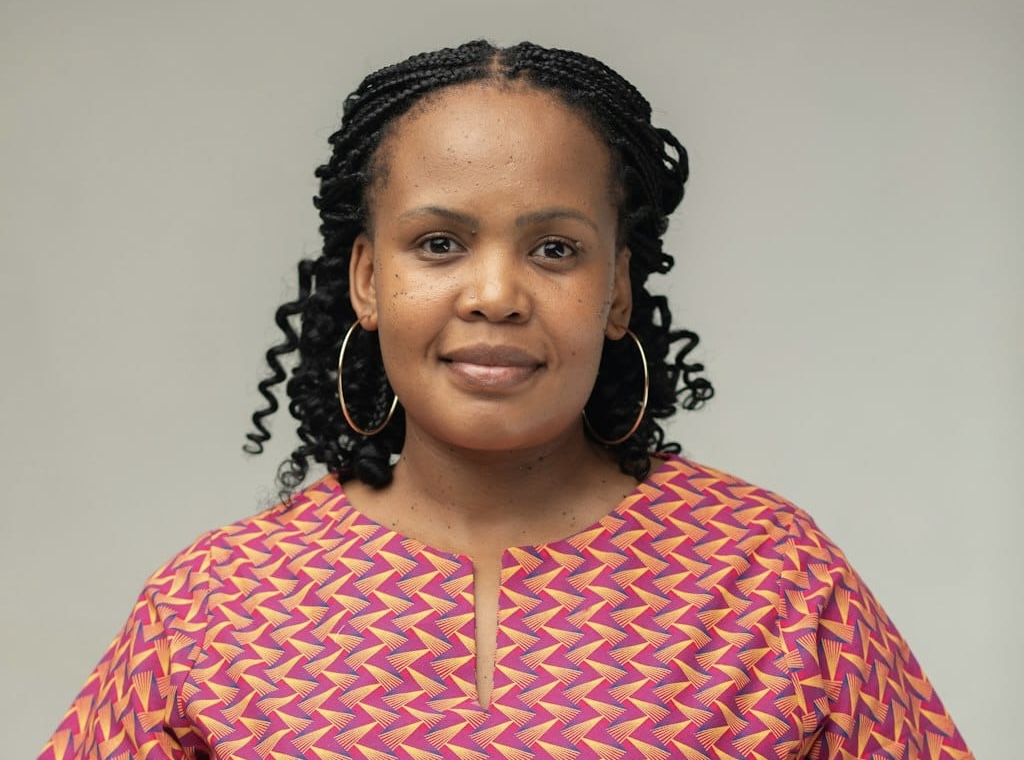
From becoming a mother at 19 to now holding space for women as a doula, her story is rooted in care, growth and the understanding that every motherhood journey is unique and deeply personal.
There is a softness to the way Kefilwe Sibenya speaks about motherhood — the kind that comes from living it, not just learning it.
A mother of four, now based in Pretoria, Kefilwe’s journey into birth work did not begin in a classroom. It began in her own life — in the quiet, sometimes overwhelming, and deeply personal moments of becoming a mother.
“I’ve always wanted to be a mom,” she says gently. “I’ve always wanted a big family.”
Her story begins at 19, when she welcomed her first child. It was a time shaped by the steady presence of her grandmother — a woman who held her through those early days with care that was both practical and deeply rooted in tradition. “My grandmother was hands-on,” Kefilwe recalls. “I had that traditional confinement care. Things just flowed.”
But motherhood, as she would later learn, does not stay the same.
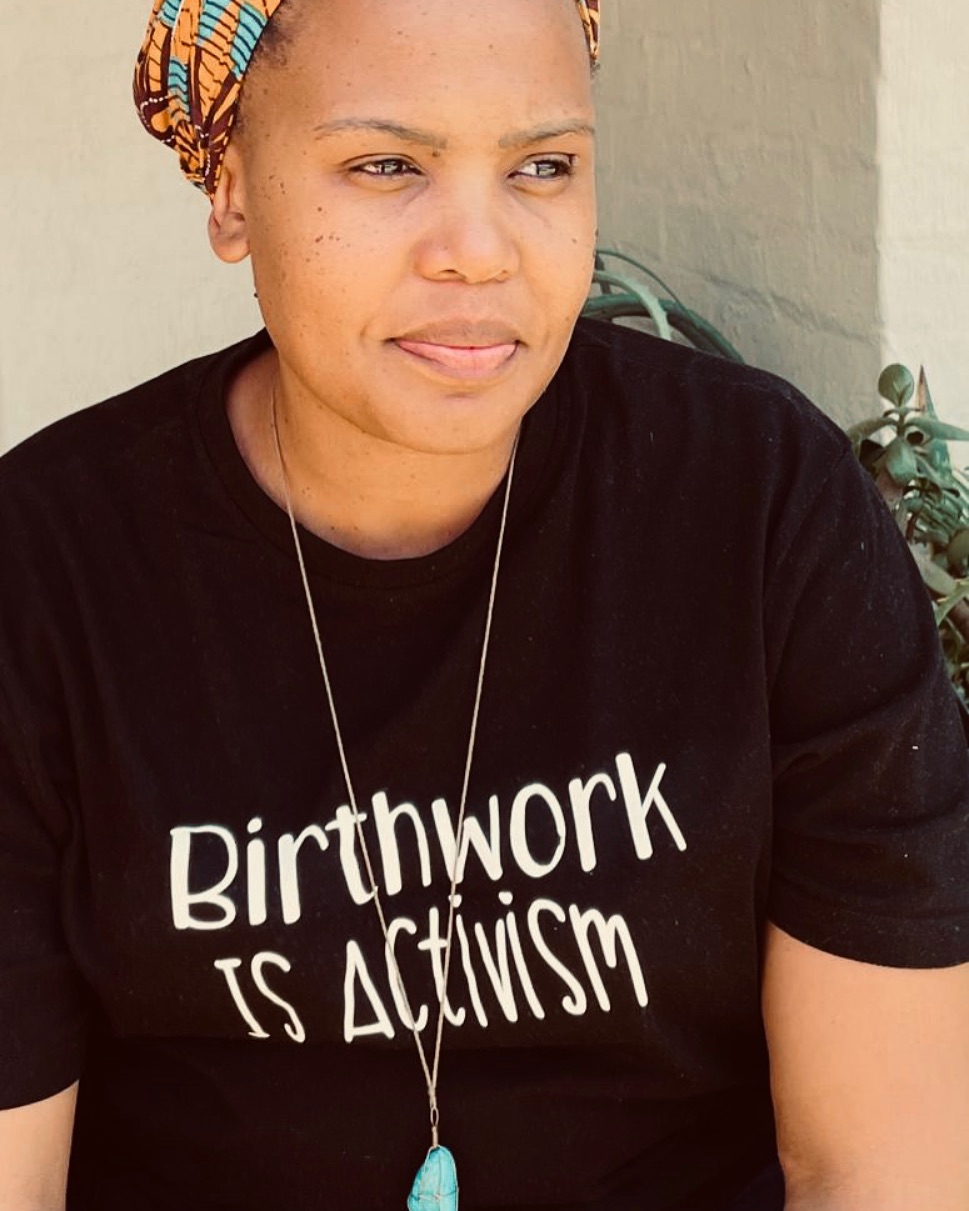
Kefilwe Sibenya | Supplied
Thirteen years later, now working in corporate and living a very different life, Kefilwe gave birth again — this time to her son. With more access to information and medical care, she opted for a planned C-section. On paper, it made sense. But in her body, something felt off.
“I remember thinking, no man, something is missing.”
That quiet feeling stayed with her, eventually leading her to question everything she thought she knew about birth, care and her own experience as a mother. It was also during this time that she faced postpartum depression — a reality that many women carry silently.
Instead of turning away, Kefilwe leaned in. She began researching, asking questions, and exploring different approaches to birth. When she fell pregnant again during the Covid-19 lockdown, that curiosity deepened into something more intentional.
This time, she chose midwife-led care. And through that journey, she was introduced to the concept of a doula.
“I found it interesting,” she says. “But I also started asking — what does this look like from an African perspective? Because the truth is, there has always been a doula in every family, in every community.”
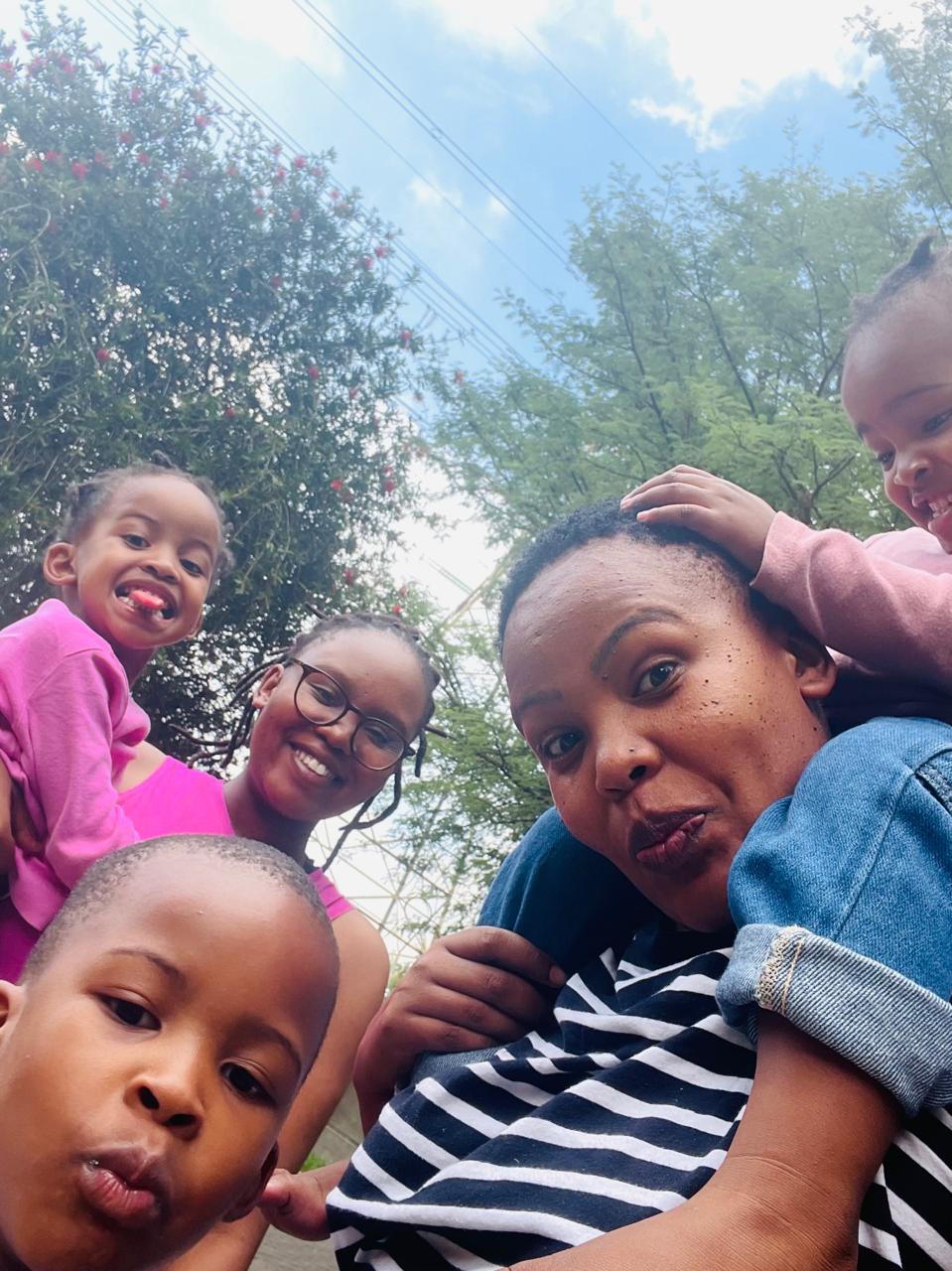
Kefilwe Sibenya | Supplied
That realisation shifted everything.
While still working from home, Kefilwe began her doula training, slowly stepping into a space that already felt familiar. By the time she welcomed her fourth child — this time with both a midwife and a doula present — her path was becoming clearer.
“I always say, a midwife catches the baby, and a doula catches the mom.”
Today, her work as a doula is not separate from her identity as a mother — it is an extension of it.
At the heart of her practice is a deep understanding of what she calls the “mother load” — the emotional, mental and physical weight that women carry, often quietly.
“When I sit with a mom, we do not only talk about birth plans,” she explains. “We talk about her journey. What motherhood looks like for her. What feels important.”
Those conversations often go deeper than expected. Kefilwe speaks about the “mother wound” — the unspoken fears and inherited experiences that many women carry into their own motherhood journeys.
“You’ll find a woman saying, ‘I’m scared I won’t be a good mother because of how I grew up,’” she says. “So we unpack that. Because motherhood is not one-size-fits-all.”
That understanding is shaped by her own life.
Her children, now spanning different ages and stages, have each taught her something new. “They are all different,” she laughs softly. “You think you know what you’re doing, and then the next one humbles you.”
Motherhood in her 30s looked nothing like it did at 19. The support systems had changed. The environment was different. The expectations were heavier.
“Back then, it was all hands on deck,” she says. “Now, community looks different. Support looks different. And that can be very challenging.”
Even with all her knowledge and experience, Kefilwe is quick to admit that motherhood has not become easier.
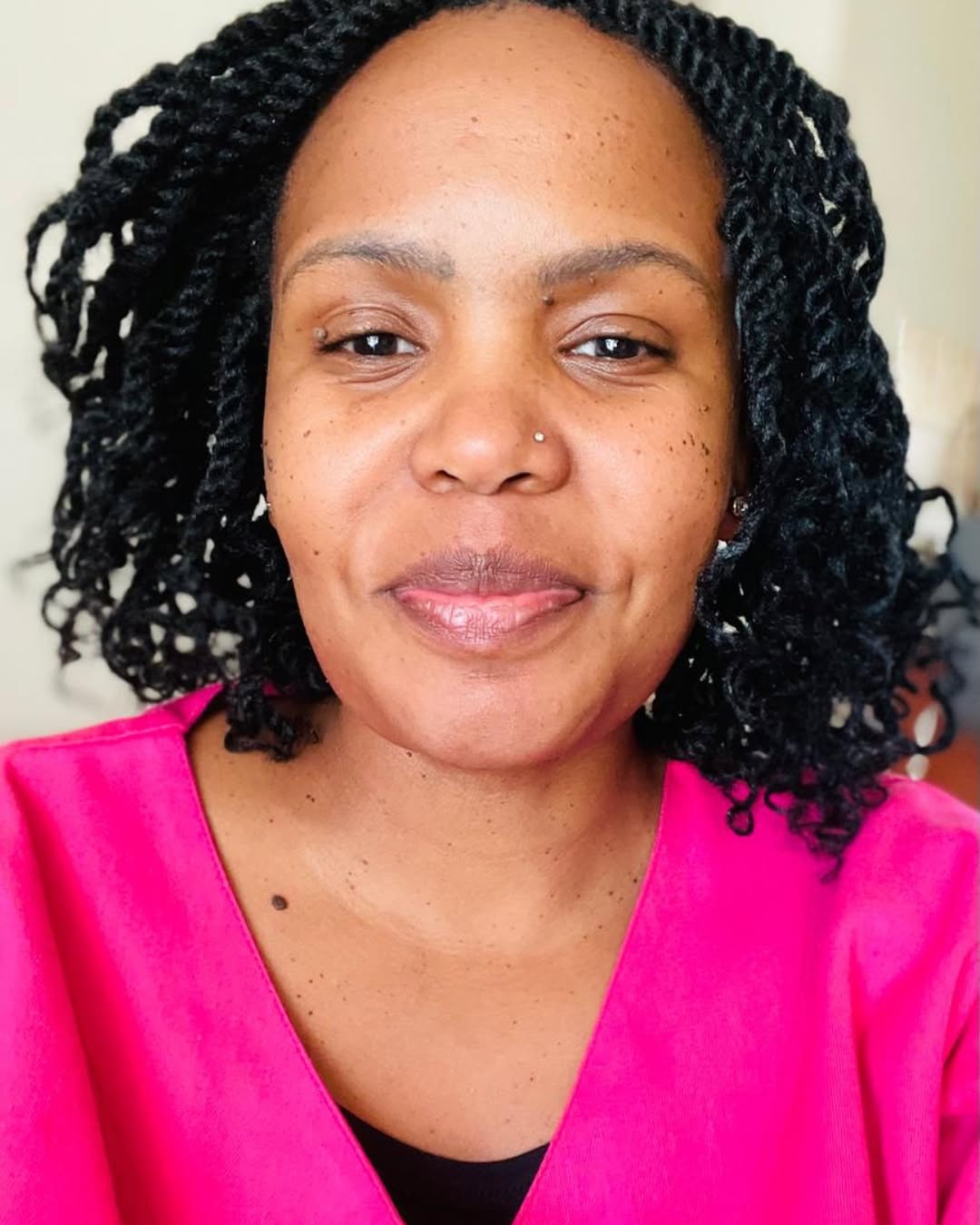
Kefilwe Sibenya | Supplied
“What do you mean as postpartum care specialist I’m still googling? I have anxiety or I am nervous – these are the misconceptions that I still face” she says with a giggle. “But that’s the truth. Motherhood is a lived experience.”
It is this honesty that shapes how she shows up for other women in her profession.
“I show up as I am,” she says. “Because that’s what I needed. I needed honest, safe conversations. I needed to feel held.”
In homes where new mothers often feel the pressure to have everything together, Kefilwe brings something different — permission to be real.
“Women apologise for life happening,” she says. “And I’m like, no. This is your reality. Let’s sit in it.”
Looking back now, her journey feels like a full circle — from a young mother being held by her grandmother, to becoming a woman who now holds others.
And through it all, one truth remains clear: “Motherhood is unique,” she says. “There is no one way to do it.”
For Kefilwe, that is not just a lesson — it is a way of life.
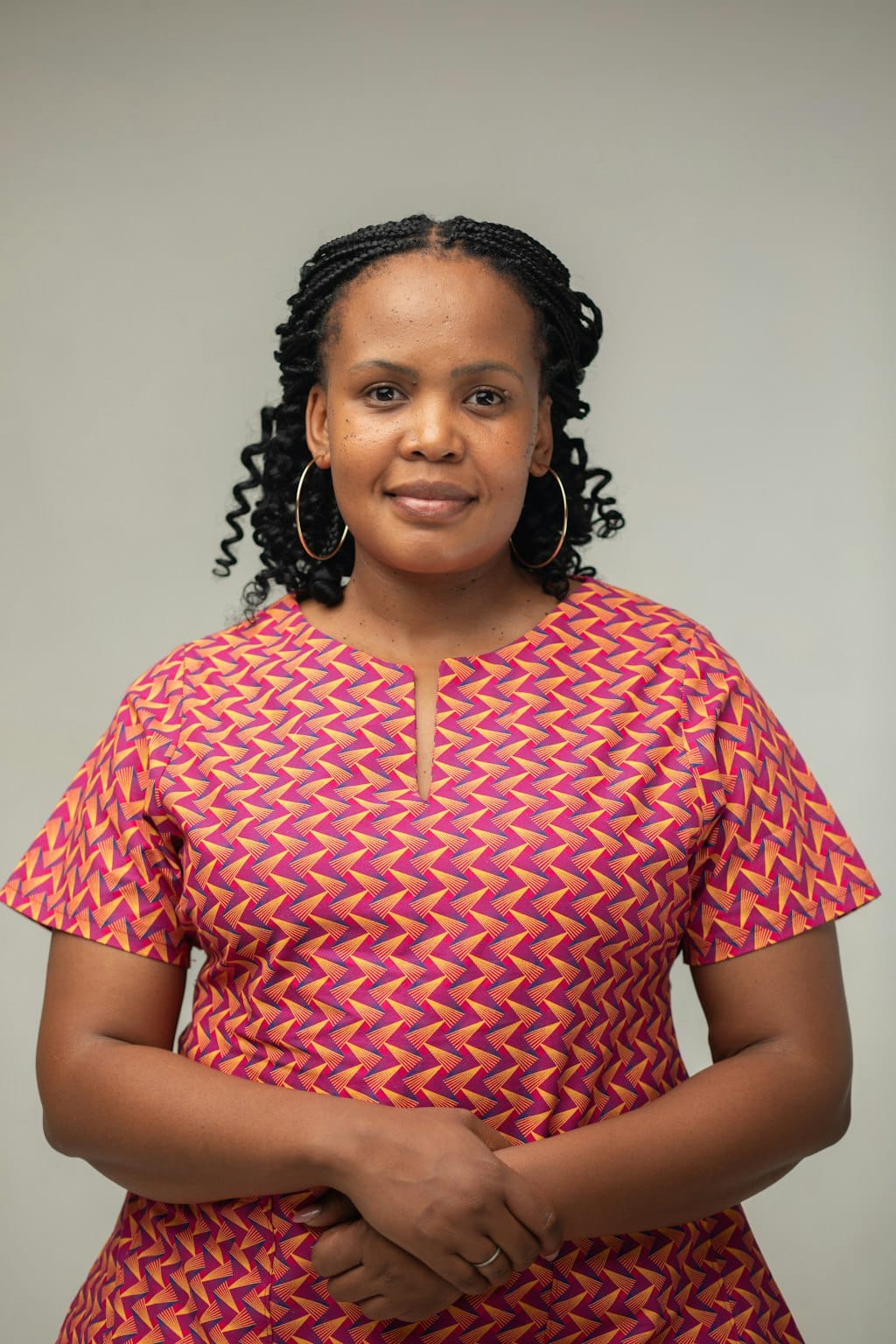
Kefilwe Sibenya | Supplied


