
Raising Curious, Confident Children: Why Asking Better Questions Matters

Share
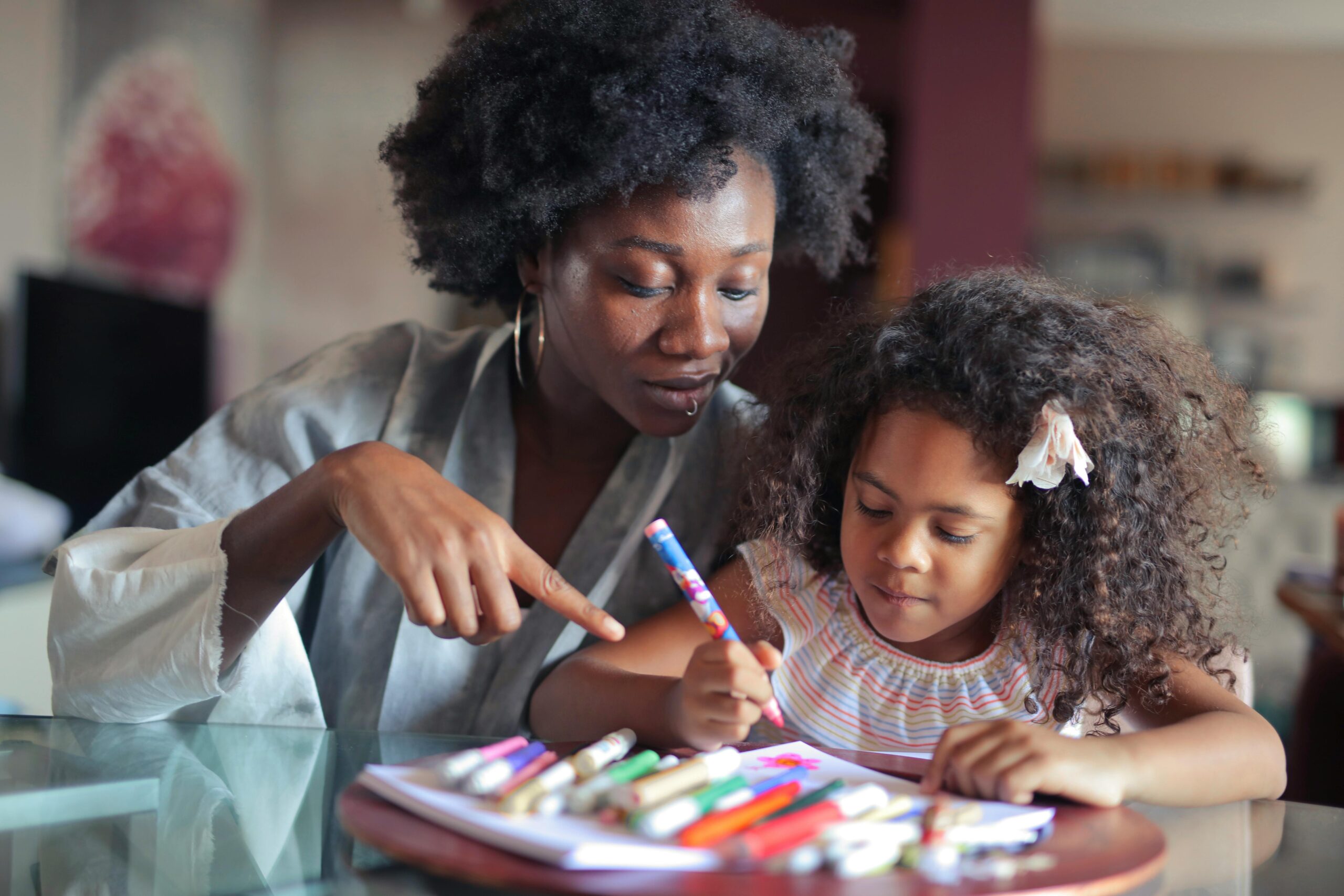
South African parents are raising children in a world that is louder, faster, and more demanding than ever before. Between school pressures, social dynamics, sport, cultural expectations, and the swirl of digital life, it can feel difficult to truly connect with our kids at the end of the day.
Yet those moments — the car ride home, the dinner table, bedtime — are rich with opportunity. Children aren’t always equipped with the language to articulate their thoughts and feelings, and a question like “How was school today?” often leads to a predictable, one-word answer: “Fine.”
The key to deeper conversations lies in asking better questions. As a child psychologist, I’ve seen time and again how open-ended, reflective prompts help children develop emotional intelligence, self-awareness, empathy, and problem-solving skills. They make children feel seen, heard, and understood — the foundation for a secure parent-child relationship.

Pexel images
Below are seven powerful conversation starters that encourage children to share more meaningfully. They’re simple, gentle, and incredibly effective, especially when woven naturally into everyday life.
1. “What was the best part of your day?”
This question encourages children to recognise joy, however small. It builds gratitude and trains the brain to notice positive experiences. Over time, children learn to actively seek moments that make them feel good — a powerful tool for resilience.
2. “What mistake did you learn from today?”
In many South African households, mistakes are often framed as failures. But when parents normalise imperfection, they teach children that growth comes from trial and error. This opens the door to conversations about courage, persistence, and emotional regulation.
3. “Who were you proud of today?”
This moves children beyond self-focus and nurtures empathy. Whether they admired a friend for being brave, a teacher for being kind, or even a sibling for trying something new, it teaches them to notice and celebrate good in others.
4. “What’s one thing you could have made better today?”
This is not a question about criticism — it’s about reflection. It helps children evaluate choices and behaviours without shame. They begin to understand that they have agency, and that small changes can have a big impact.
5. “Who did you help today?”
South Africa’s spirit of ubuntu starts at home. Encouraging children to think about how they contributed to someone else’s well-being builds compassion, generosity, and responsibility. It also reinforces the value of community-minded behaviour.
6. “What was the most interesting thing you learned today?”
Learning becomes richer when children connect new knowledge to curiosity and excitement. This question reinforces a love of learning and helps parents understand what topics energise their child academically or creatively.
7. “What’s something new you want to try?”
Children grow when they feel safe exploring their interests. This question invites them to dream aloud — whether it’s learning isiZulu, trying gymnastics, baking amagwinya, or picking up a new book. It also shows that you’re invested in their hopes and goals.
Creating a Culture of Conversation at Home

Pexel images
The goal isn’t to interrogate your child, but to create rituals of connection. Here are a few gentle reminders:
When we ask thoughtful questions, we signal to our children that their experiences matter. In a country as complex and dynamic as South Africa, our kids need safe spaces to explore their inner world — spaces where they can talk freely, reflect deeply, and feel heard.
Connection is built one conversation at a time. These seven small questions can open the door to big, beautiful discussions — and help raise curious, confident, emotionally grounded young people ready to navigate the world with heart and awareness.

Pexel images


