
The Truth About Stretch Marks in Pregnancy

Share
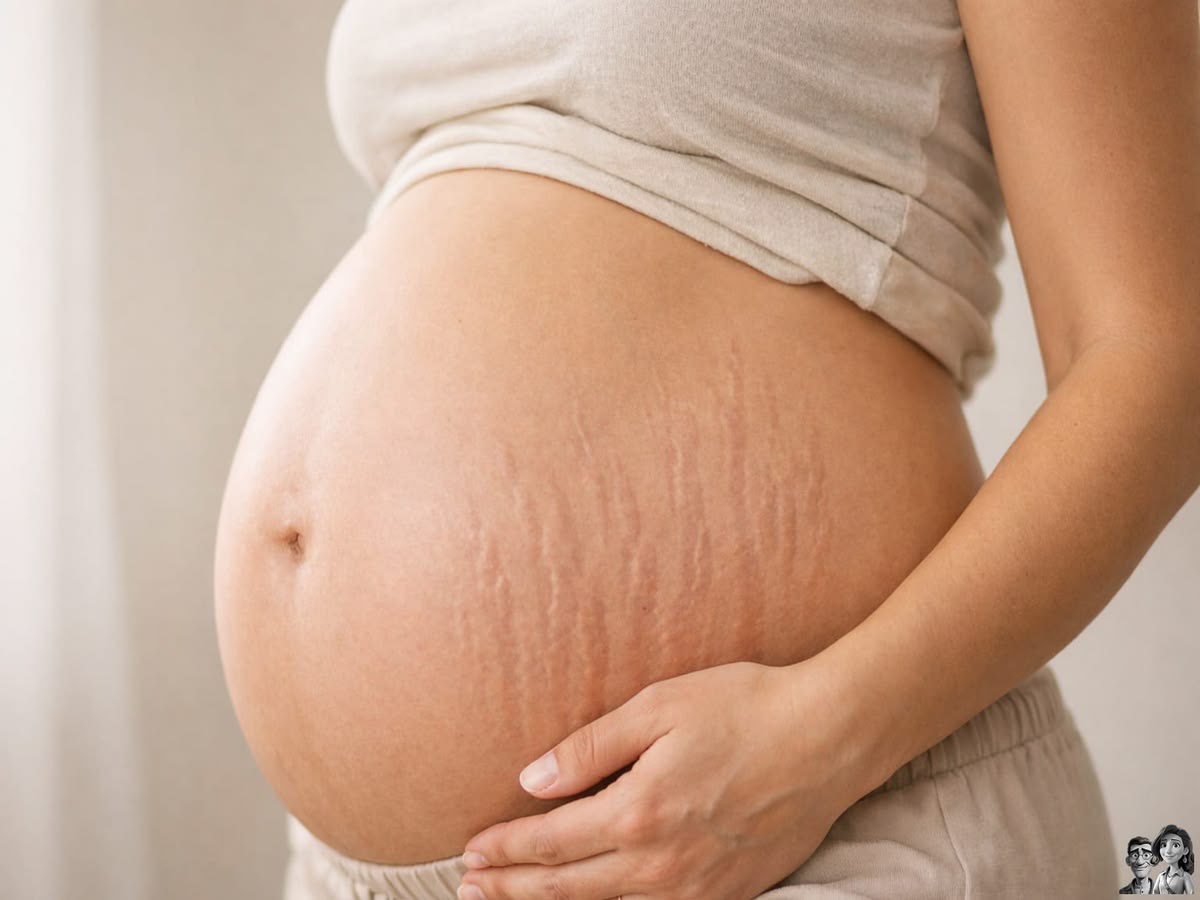
Stretch marks are one of the most talked-about changes during pregnancy, not because they’re dangerous (they’re not), but because they’re so common and visible. Understanding why they happen, when they tend to appear, and the myths vs facts around them can help you approach your pregnancy skin with confidence, not fear.
Why do stretch marks form during pregnancy?
There are a few key drivers behind stretch marks in pregnancy:
1. Rapid skin stretching
Your belly, hips, buttocks, and breasts expand as the baby grows. The skin can only stretch so far before the fibres in the dermis break, and that’s what causes stretch marks.
2. Hormonal changes
Pregnancy hormones like cortisol increase, which can weaken the elastic fibres in your skin and make them more prone to tearing when stretched.
3. Genetics
If other people in your family (like your mother or sisters) got stretch marks during pregnancy, you’re more likely to get them too.

Pexel images
When do they typically appear?
Stretch marks usually start forming in the late second trimester to third trimester, roughly around months five to seven, but this can vary from woman to woman. Some people notice them earlier and others later, depending on how quickly their skin is stretching and their individual skin elasticity.
Stretch marks don’t discriminate, not even celebrities with access to the world’s best trainers, nutritionists, and skincare experts. Many have openly shared when their stretch marks appeared and how differently their skin responded during pregnancy.
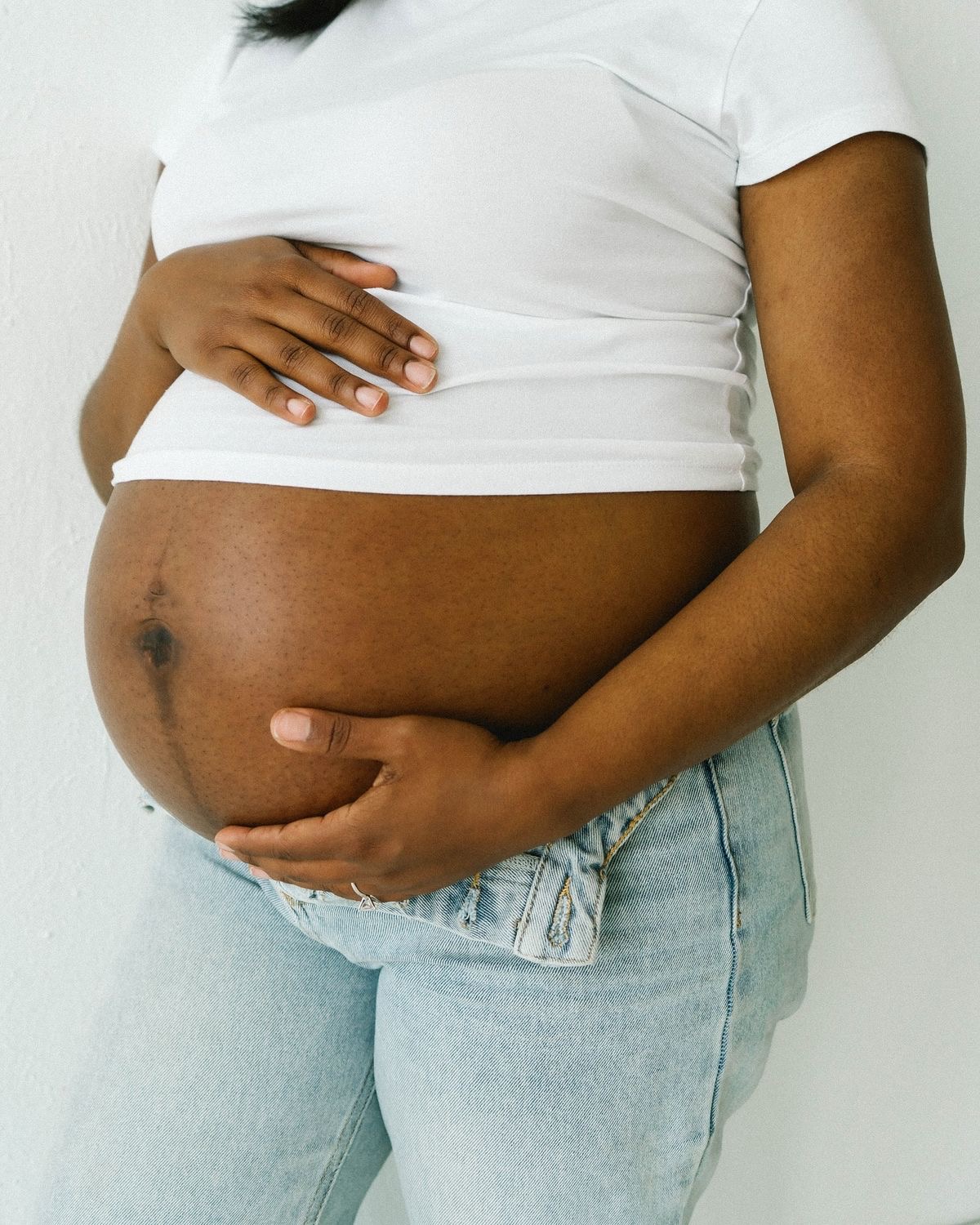
Chrissy Teigen, who has fair skin with less natural melanin protection, revealed that her stretch marks showed up early in her pregnancy as her body changed rapidly. Kourtney Kardashian, who has an olive skin tone and naturally more elastic skin, has spoken about noticing stretch marks later in pregnancy, particularly during the final growth spurt in her third trimester. Kate Winslet, with fair, sensitive skin, has long said her stretch marks became visible toward the end of pregnancy and credits hormonal changes rather than weight alone. Meanwhile, Jessica Alba, who has a medium to deeper skin tone, has shared that while her stretch marks were less red initially, they still formed as her skin stretched.
Together, these stories reinforce an important truth: stretch marks can appear at different stages, on different skin types and tones, and for different reasons.
Pexel images
Stretch mark myths and facts
Myth #1: Only overweight women get stretch marks
Fact: Even women who gain a modest amount of weight can develop stretch marks. Genetics and hormones play a big role.
Myth #2: Stretch marks will completely disappear after weight loss
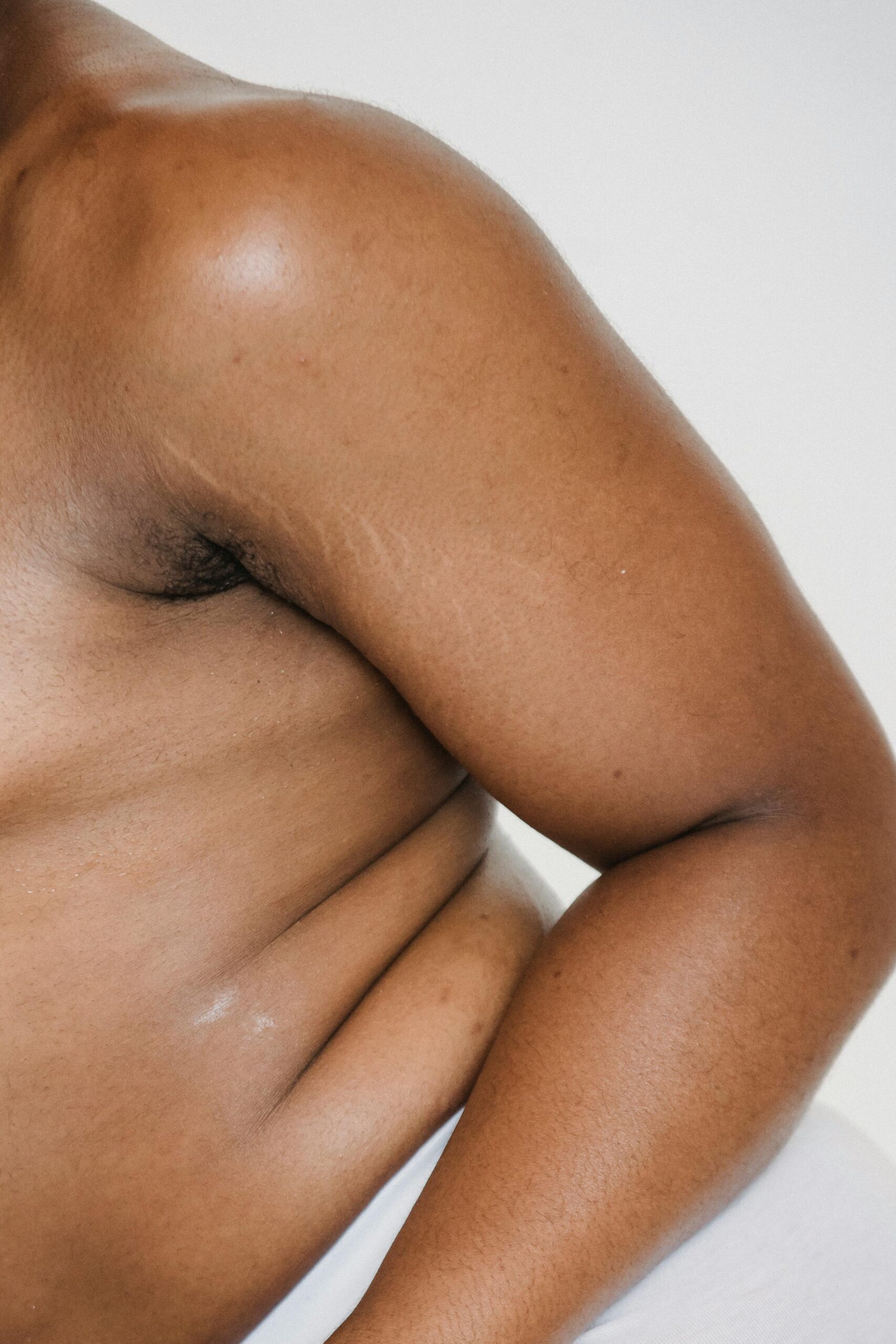
Fact: Stretch marks typically fade with time but do not completely vanish. Losing pregnancy weight doesn’t erase them.
Myth #3: If you haven’t developed stretch marks early in pregnancy, you won’t get them at all
Fact: Stretch marks often appear later in pregnancy, especially during the final growth spurts of the third trimester when the skin stretches most rapidly. Even if your skin feels fine early on, hormonal changes and sudden stretching later can still lead to stretch marks. This is why ongoing skincare and hydration throughout pregnancy can be helpful.
Pexel images
Stretch marks are normal, not a ‘death sentence’
“Stretch marks are a normal part of pregnancy. They’re not a medical problem, and they don’t define your beauty, your body, or your journey,” says Dr Bradley Wagemaker, Medical Director and Product Formulator at Lamelle Research Laboratories.
“Many women see them as badges of honour, evidence of life growing inside them, and even when they linger after pregnancy, they are not a death sentence for your confidence or self-esteem.”
Dr Wagemaker’s work at Lamelle has focused on understanding how skin repairs itself and how certain science-backed ingredients can support that repair process, especially in situations where the skin has stretched beyond its comfort zone.
Can skincare help? How to support your skin.
Hydration and support are key. Well-formulated products designed with pregnancy safety in mind can make your skin feel more comfortable, better hydrated, and more resilient.
One such example is CENTAR® Lotion from Lamelle Pharmaceuticals, a clinically designed product formulated to assist with the appearance of new stretch marks and scars.
Key ingredients (and how they work):
- Centella Asiatica Ultra Distillate (UDCA): A plant-derived extract that helps support collagen formation and soothe inflammation. This ingredient has data that shows stretch mark prevention.
- Copper Tri-peptide (GHK-Cu): A powerful peptide that signals skin repair processes, increasing collagen and elastin production.
- Beta Glucan: A natural polysaccharide that deeply hydrates and helps calm and protect the skin barrier.
- Skin Emollients: Provide moisture and help improve skin texture.
How to use lotion for best results
- Clean and dry your skin: Apply the lotion after a shower or bath when your skin is warm and slightly damp. This helps absorption.
- Use the right amount: Apply the product twice daily to areas prone to stretch marks such as the belly, breasts, thighs, and hips.
- Massage gently but thoroughly: Use circular motions and light pressure to help the lotion sink in. This also supports circulation and ensures the active ingredients are absorbed properly.
- Stay consistent: Like anything involving skin repair and hydration, regular use (daily, and even postpartum) tends to offer the best visual results.

Final thoughts
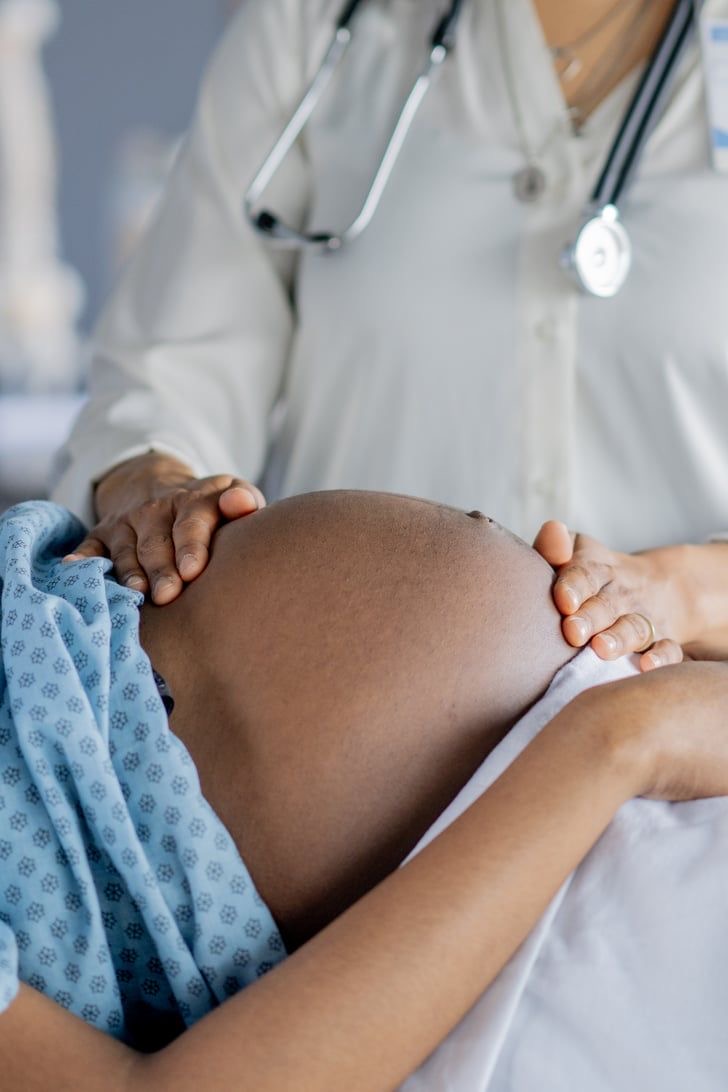
Pregnancy brings plenty of surprises, stretch marks included. While they might feel unwelcome at first, they’re simply a sign of your skin adapting to the remarkable changes your body is making.
With knowledge, gentle skincare, and self-compassion, you can navigate this part of your pregnancy journey with confidence, knowing that your skin is doing its job and that you have options to support it along the way.


