
5 Reasons Why Play Matters More Than You Think

Share
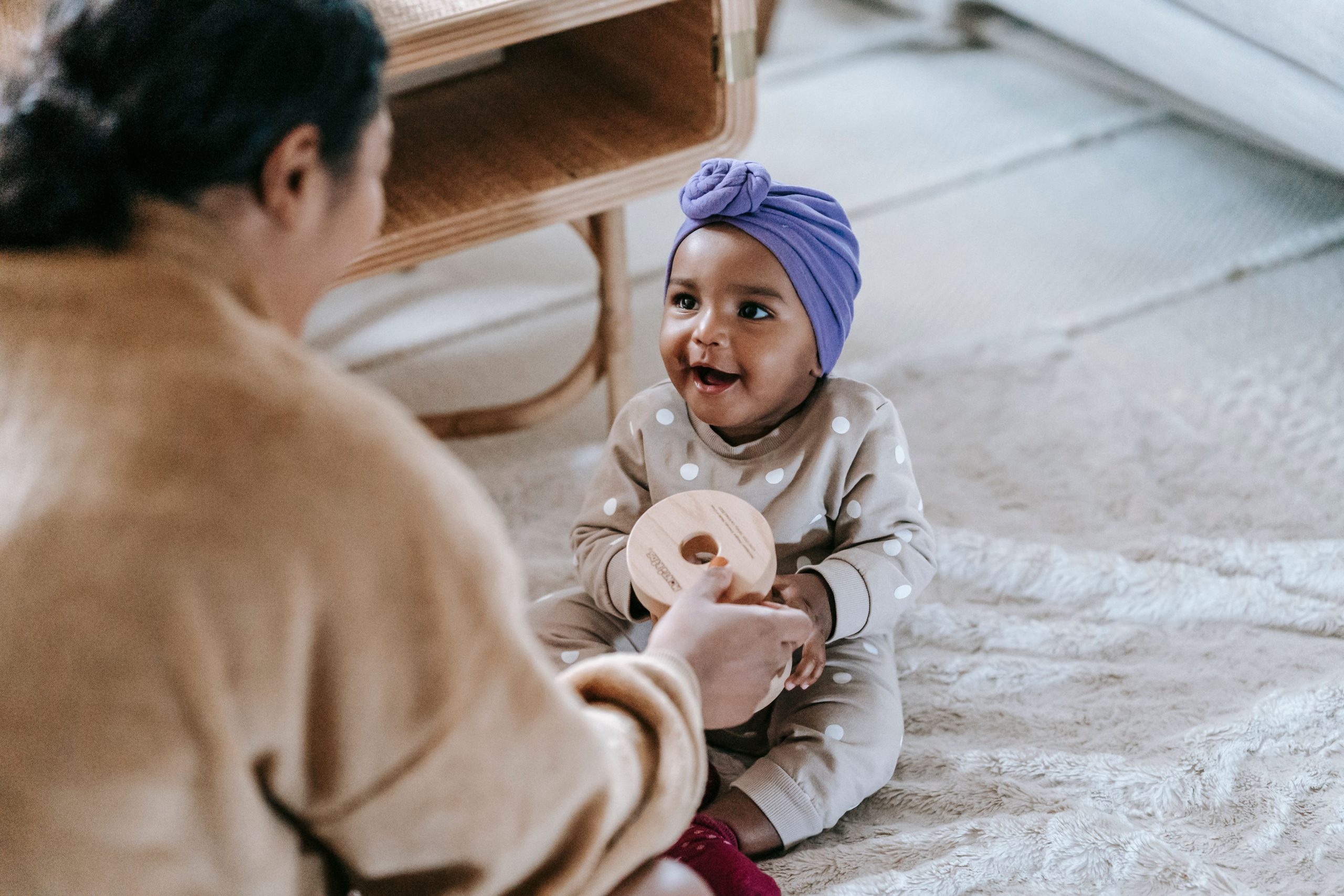
From building important developmental skills to supporting emotional wellbeing, discover why making time for play is one of the best things you can do for your child.
For children, play is much more than a way to pass the time. A game of make-believe, a puzzle on the living-room floor, dancing to a favourite song or building an elaborate tower from blocks may look like simple fun, but beneath the laughter, children are learning, experimenting, communicating and making sense of the world around them.
Play is one of the most important ways young children learn and develop. Through it, they strengthen motor, cognitive, social and emotional skills while discovering what they can do and how the world works. But its benefits extend far beyond early learning. Play can also support children’s emotional wellbeing, strengthen their relationships with caregivers and create a safe space for them to express feelings they may not yet know how to put into words.
And perhaps one of the most beautiful things about play is that you do not need expensive toys, complicated activities or hours of free time. Sometimes, all your child needs is your attention and a willingness to join in.
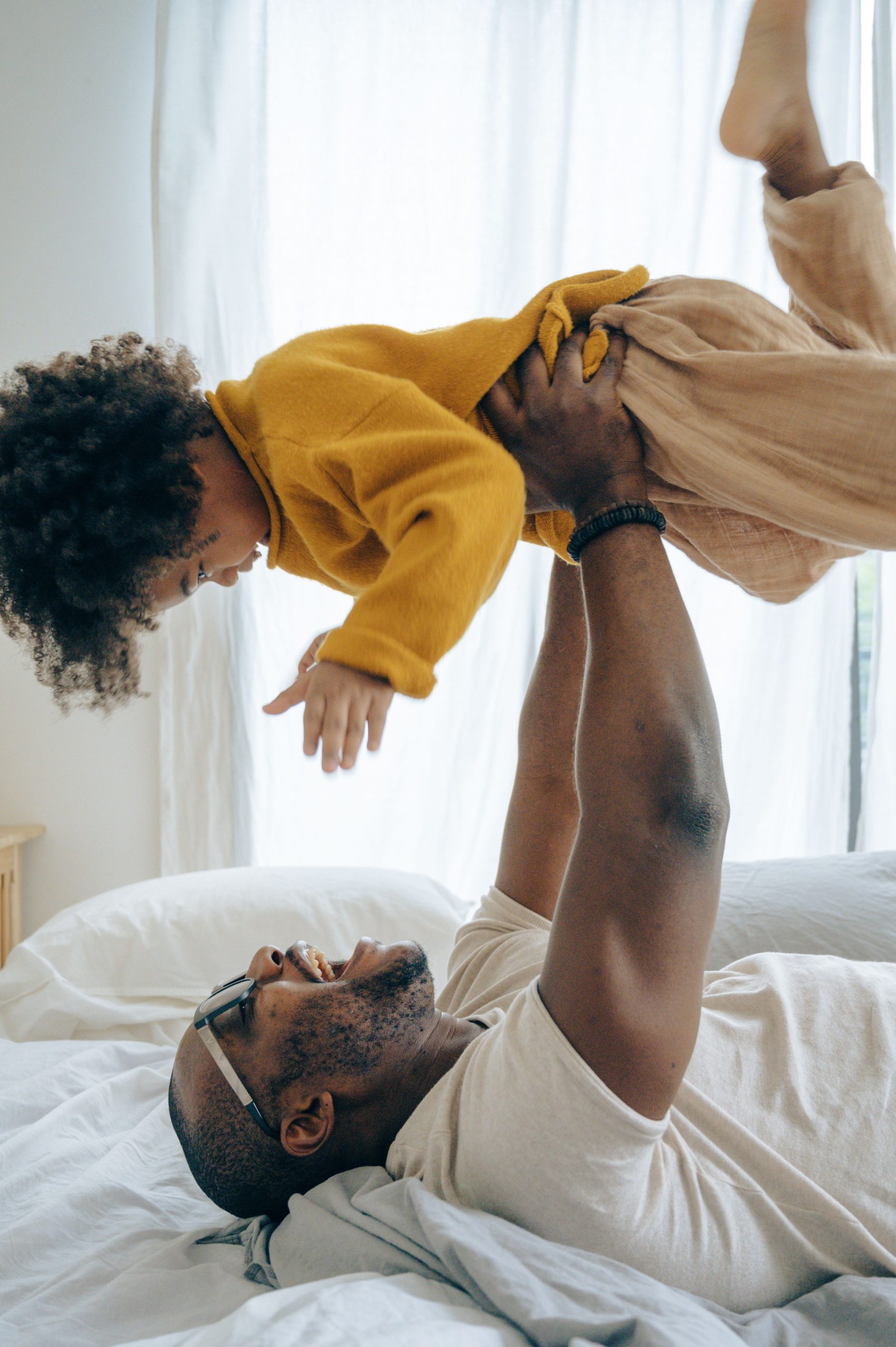
Play strengthens the bond between you and your child
Sourced from Pexel Images
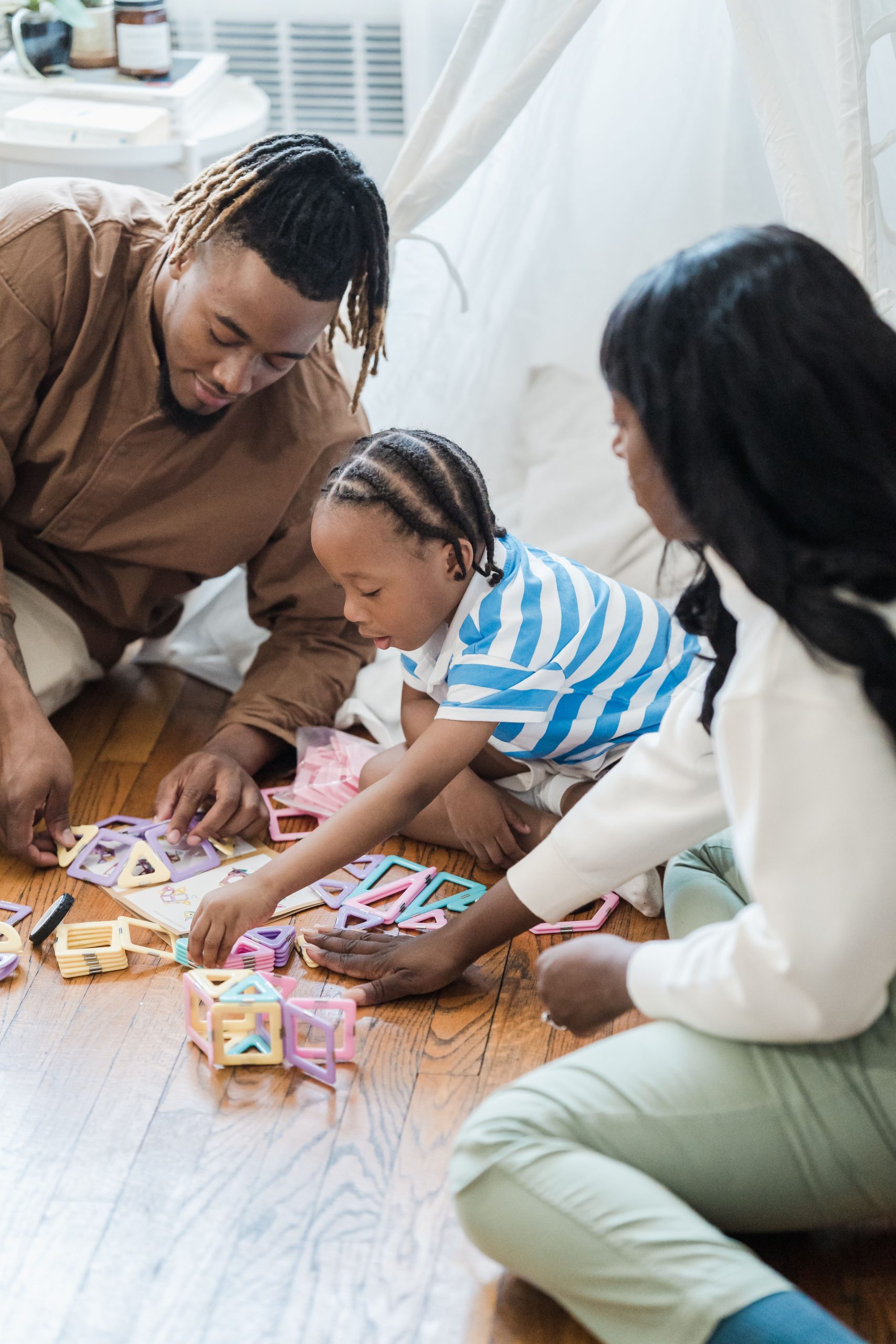
When you get down on the floor and enter your child’s world, you are doing more than playing a game. You are creating an opportunity for connection.
Shared moments of laughter, imagination and discovery help children feel loved, valued and secure. Playing together also gives parents an opportunity to see the world from their child’s perspective. A cardboard box can become a spaceship, a blanket can become a superhero cape and a handful of toys can transform into an entire imaginary world.
These moments may seem small, but they can have a meaningful impact on the relationship between a child and their caregiver. By giving your child your attention, affection and encouragement, you help lay the foundations for the social and emotional skills they need as they grow.
Play can help reduce stress
Sourced from Pexel Images
Children experience stress too, even when their worries look very different from those of adults. Play provides an opportunity to relax, release energy and experience joy.
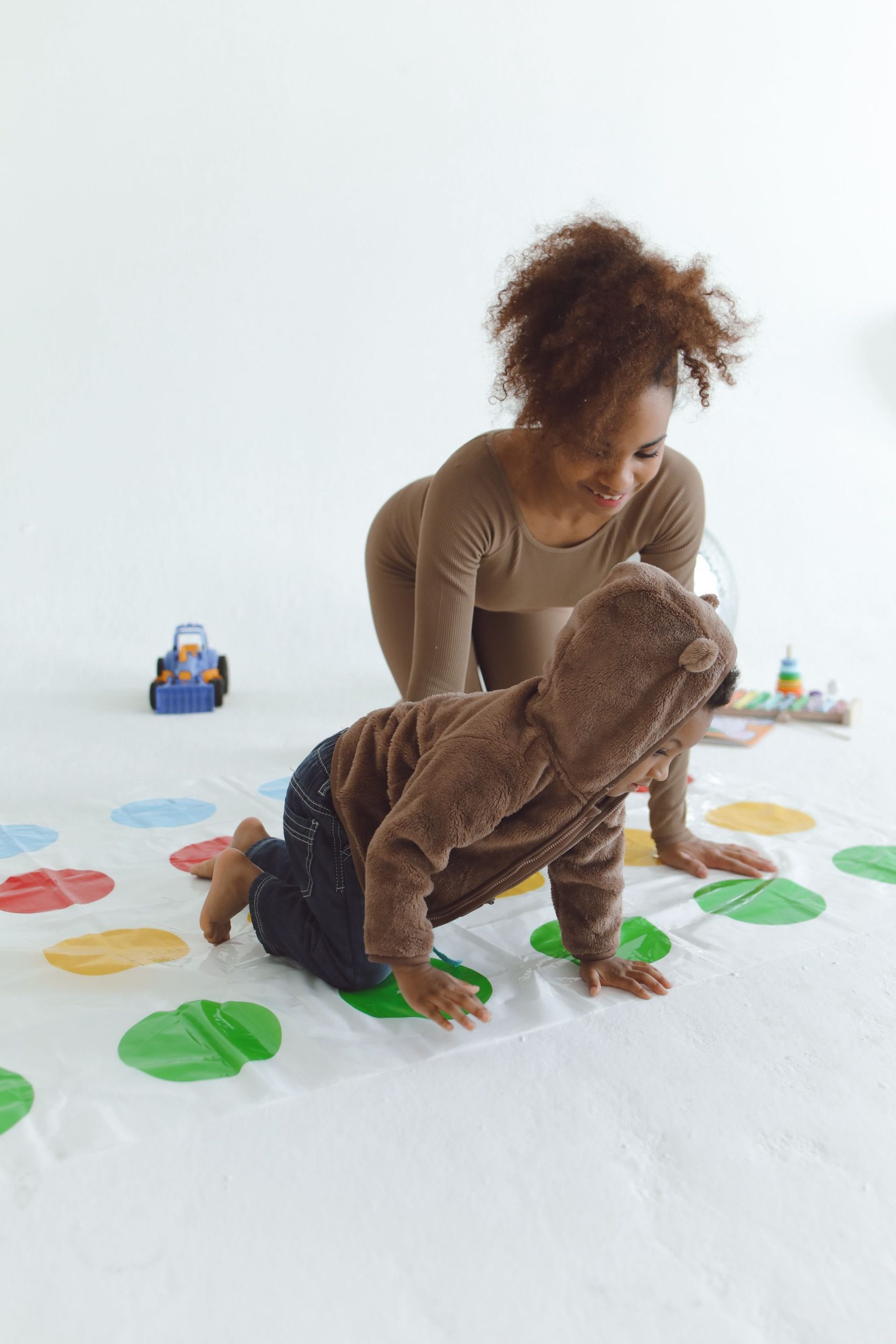
Dancing around the house, singing together, playing a silly game or simply having a laugh can create moments of connection and wellbeing for both parent and child. These moments can also give adults a much-needed break from the demands of work, household responsibilities and everyday life.
Importantly, supportive relationships and opportunities for play can help children cope with prolonged stress. When a child feels safe, connected and supported, play can become a valuable outlet for processing experiences and emotions.
Play gives children a way to express difficult emotions
Sourced from Pexel Images
Children do not always have the vocabulary to explain what they are feeling. Sometimes, they communicate through play instead.
A child who has experienced something frightening, confusing or upsetting may recreate aspects of that experience through pretend play. For example, after witnessing an argument, they might act out a similar scene using dolls or toys.
This does not necessarily mean that something is wrong. Imaginative play can be one way children try to understand experiences that feel too big or complicated to explain.
Rather than immediately correcting or interrupting the game, parents can observe, listen and create a safe environment where children know they can talk when they are ready. If play consistently reflects significant distress or concerning behaviour, however, it is worth seeking professional guidance.
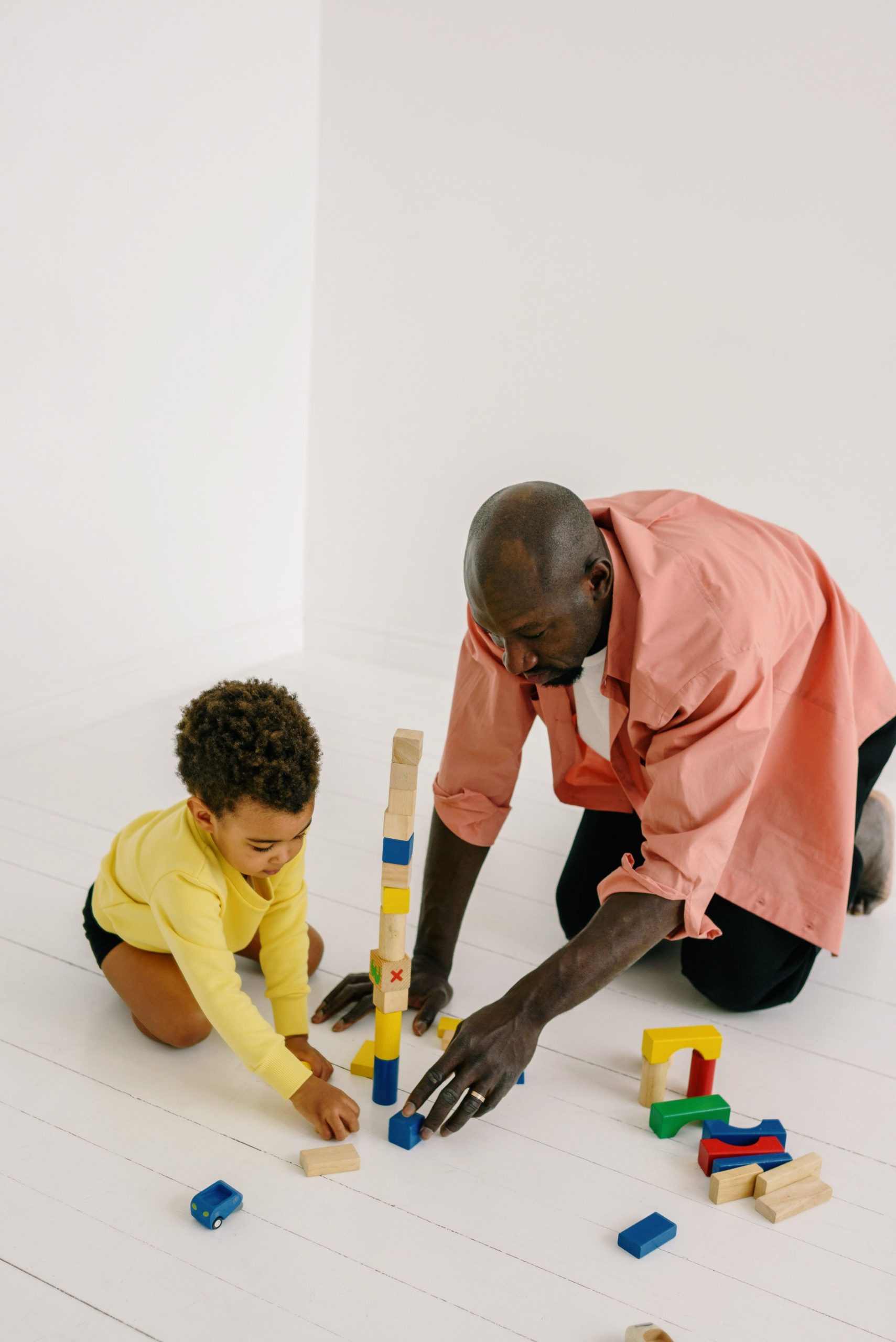
Play builds confidence
Sourced from Pexel Images
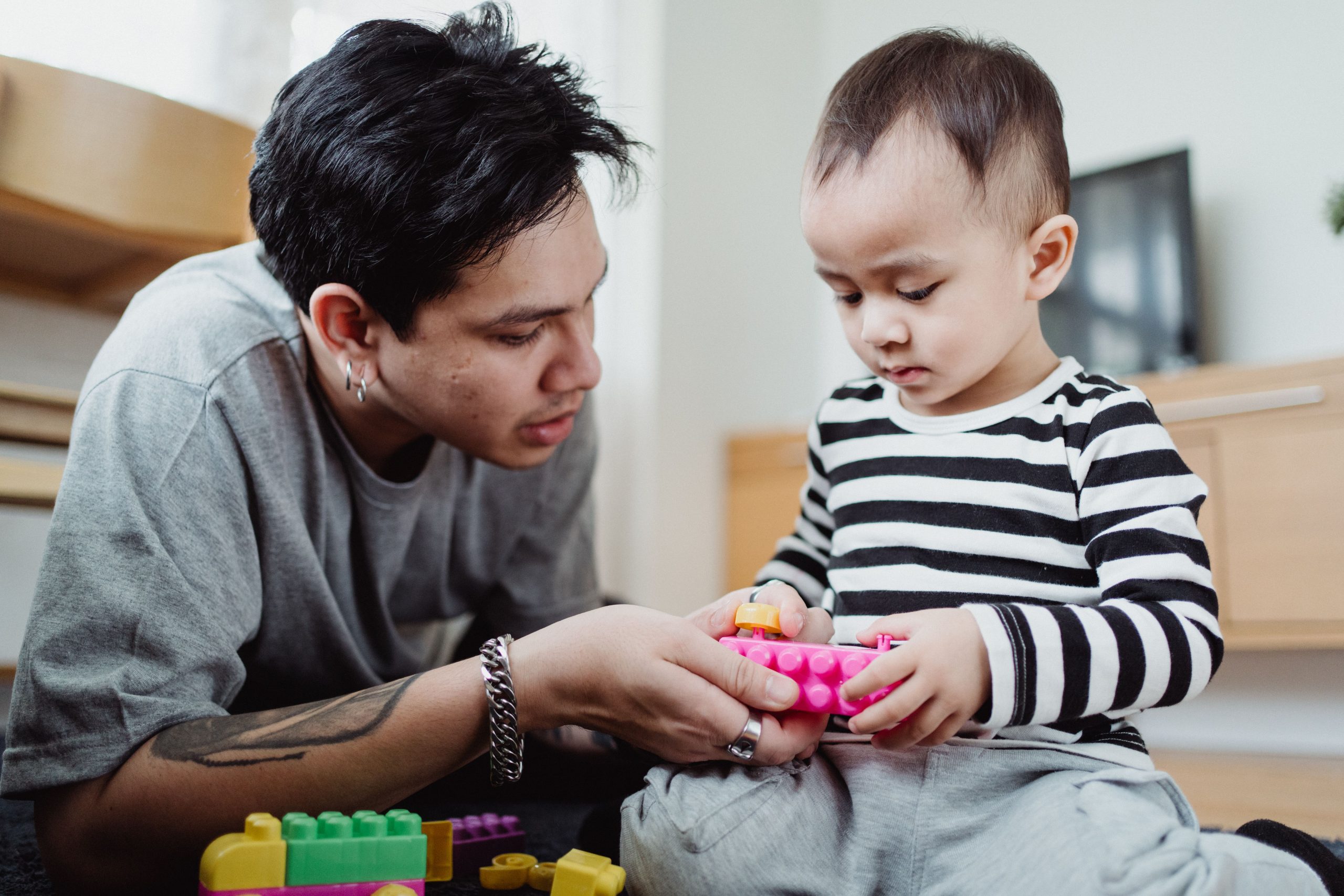
Every time a child completes a puzzle, figures out how to build a tower or invents a new solution to a problem, they experience a small sense of achievement.
Play allows children to experiment without necessarily worrying about getting everything right. They can try, fail, start again and discover what works. These experiences help develop problem-solving skills while building confidence and a sense of competence.
Parents can support this by allowing children to take the lead, resisting the urge to immediately solve every problem and celebrating effort rather than perfection.
A simple, “You worked that out yourself!” can go a long way.
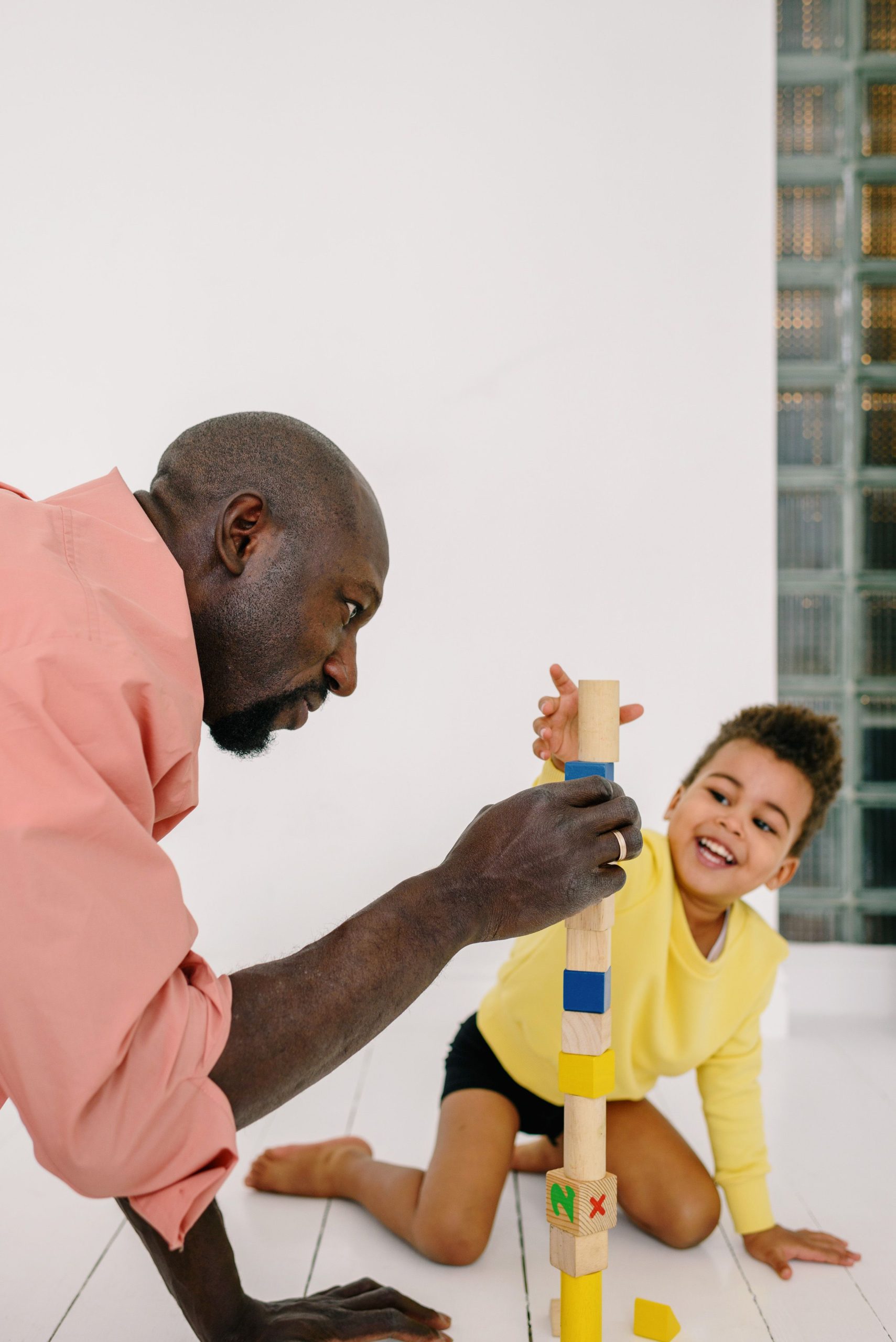
Play develops important life skills
Sourced from Pexel Images
Play is also a powerful learning environment. Physical games help children develop coordination and motor skills, while puzzles, building activities and imaginative games encourage thinking, creativity and problem-solving.
Playing with other children introduces lessons about sharing, cooperation, communication, taking turns and managing disagreements. Even pretend play can help children practise different social roles and understand other people’s perspectives.
In other words, while children may simply think they are having fun, they are developing skills they will carry into school, friendships and everyday life.
You don’t need to make play complicated
One of the biggest misconceptions about play is that it needs to be elaborate. It doesn’t.
Read a story together and let your child invent a different ending. Put on music and have a dance-off. Build a fort from blankets. Draw together. Play “I spy”. Let your child help you cook. Make silly faces. Go outside and look for interesting leaves, insects or clouds.
The goal isn’t to create the perfect educational activity. It is to create opportunities for curiosity, connection and joy.
And while it can be tempting to turn every moment into a learning opportunity, remember that children also need unstructured play. Give them room to decide what to do, follow their imagination and simply enjoy being children.
Make room for play
In a world filled with schedules, screens, schoolwork and responsibilities, play can easily be treated as something children do only after everything else is finished.
But play isn’t merely a reward for completing the “important” things. For young children, play is one of the important things.
It helps them learn about themselves and their surroundings, build relationships, navigate emotions and develop confidence. And when parents join them, play can become something even more powerful: a simple daily ritual that says, I see you. I hear you. I enjoy being with you.
So put the phone down when you can, get involved and let yourself be a little silly.
Because sometimes, the most meaningful moments of childhood begin with nothing more complicated than, “Come, let’s play.”
Sourced from Pexel Images
Words adapted from: UNICEF


