
MUSA: The Journey of Fatherhood, Family and Legacy

Share
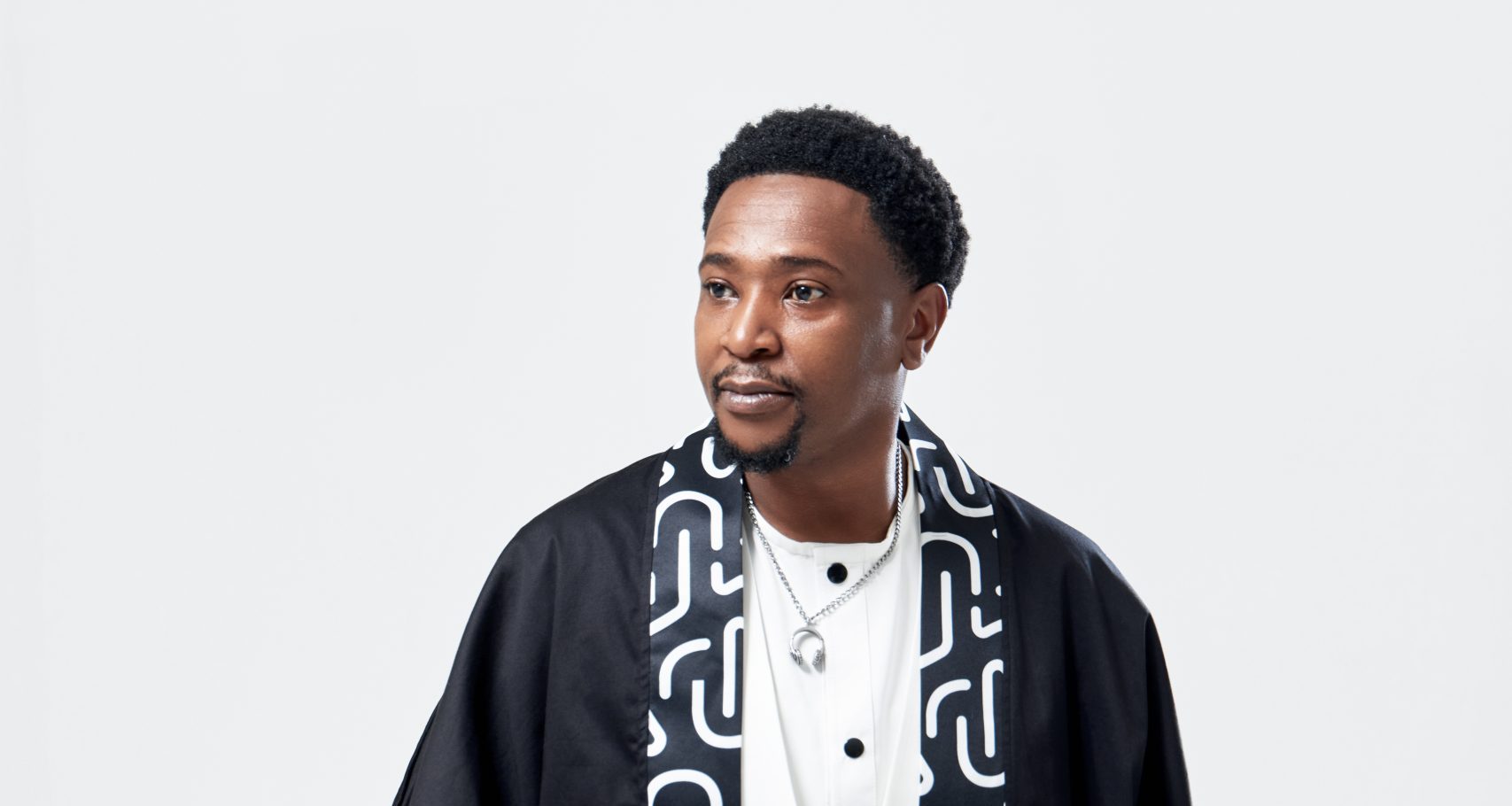
For MUSA, September 2026 became a month defined by two deeply personal milestones. Just days after releasing his new album, *UHAMBO*, on 23 September, the award-winning singer and his wife welcomed their third child, a baby boy, *Ukhonkosi Lukhanyo Sukwene*, on 29 September.
The timing feels almost poetic. UHAMBO, meaning “journey”, reflects the many experiences that have shaped MUSA into the man he is today, but perhaps none has transformed him quite like fatherhood. Away from the stages, accolades and songs that have made him one of South Africa’s familiar voices, MUSA has been quietly building a life centred on family, presence and purpose.
Now a father of three, MUSA is placing greater value on the life he is building away from the spotlight. Time at home and on the farm, his experience of fatherhood, the loss of his own father and his journey with dyslexia have all shaped how he thinks about family, legacy and the kind of man he wants his children to know.
In this Batswadi conversation, MUSA opens up about being a present father, raising children who feel seen and supported, and why the legacy he leaves at home matters most.
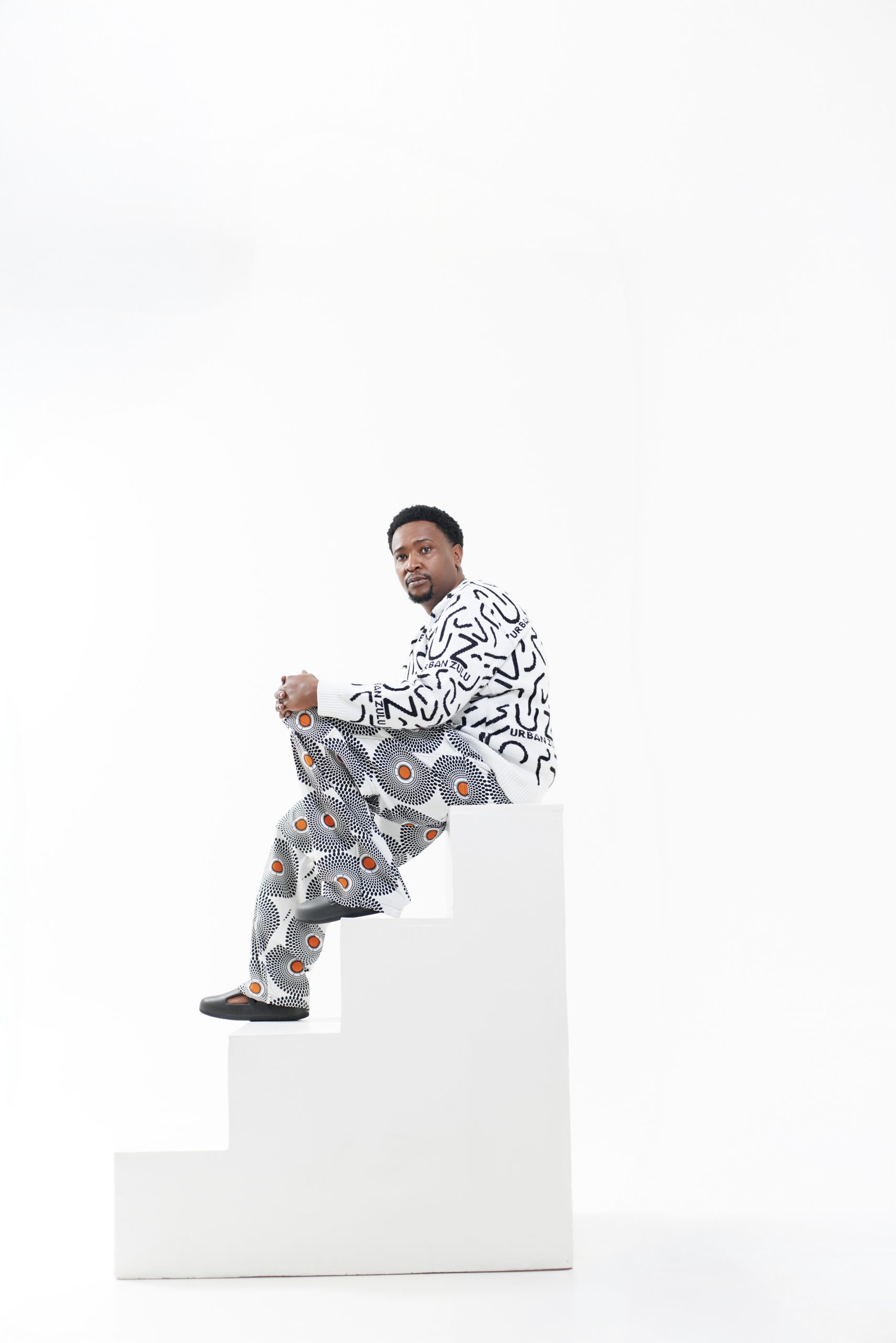
Musa | Supplied
- UHAMBO speaks to the different journeys that have shaped who you are today. When you look at your journey as a father, what has parenthood taught you about yourself that nothing else could?
Fatherhood has taught me a different kind of love, one that goes beyond words. It has taught me patience, humility, responsibility, and the importance of being present. As a father, you begin to realise that your children are constantly watching you, learning from how you live, how you treat people and how you handle life’s challenges.
Parenthood has also revealed a softer, more vulnerable side of me. It has taught me that I don’t have to have all the answers, but I must always be willing to learn and grow. When I look at UHAMBO, I see a journey of becoming, and fatherhood has been one of the most important parts of that journey. My children continue to teach me about myself, and they inspire me to become a better man every day.
- You’ve spoken about becoming a more present, hands-on father. What does being present look like for you in everyday life, especially while balancing the demands of your career?
For me, being present means making a conscious effort to show up, even when life gets busy. Music is my passion and my career, and it comes with rehearsals, performances, travelling and many other commitments. But I’ve learnt that being a father cannot only be about providing; it must also be about giving your children your time, attention, and love.
Sometimes, being present is simply spending time together at home, listening to my children, sharing a laugh, or being involved in the little things that make up their day. Those moments may seem ordinary, but they are incredibly important.
I’ve become more intentional about creating that balance. I may not always get everything right, but I want my children to know that no matter how busy life gets, they will always have a father who makes time for them. The stage is where I share my music with the world, but home is where I get to be Dad.
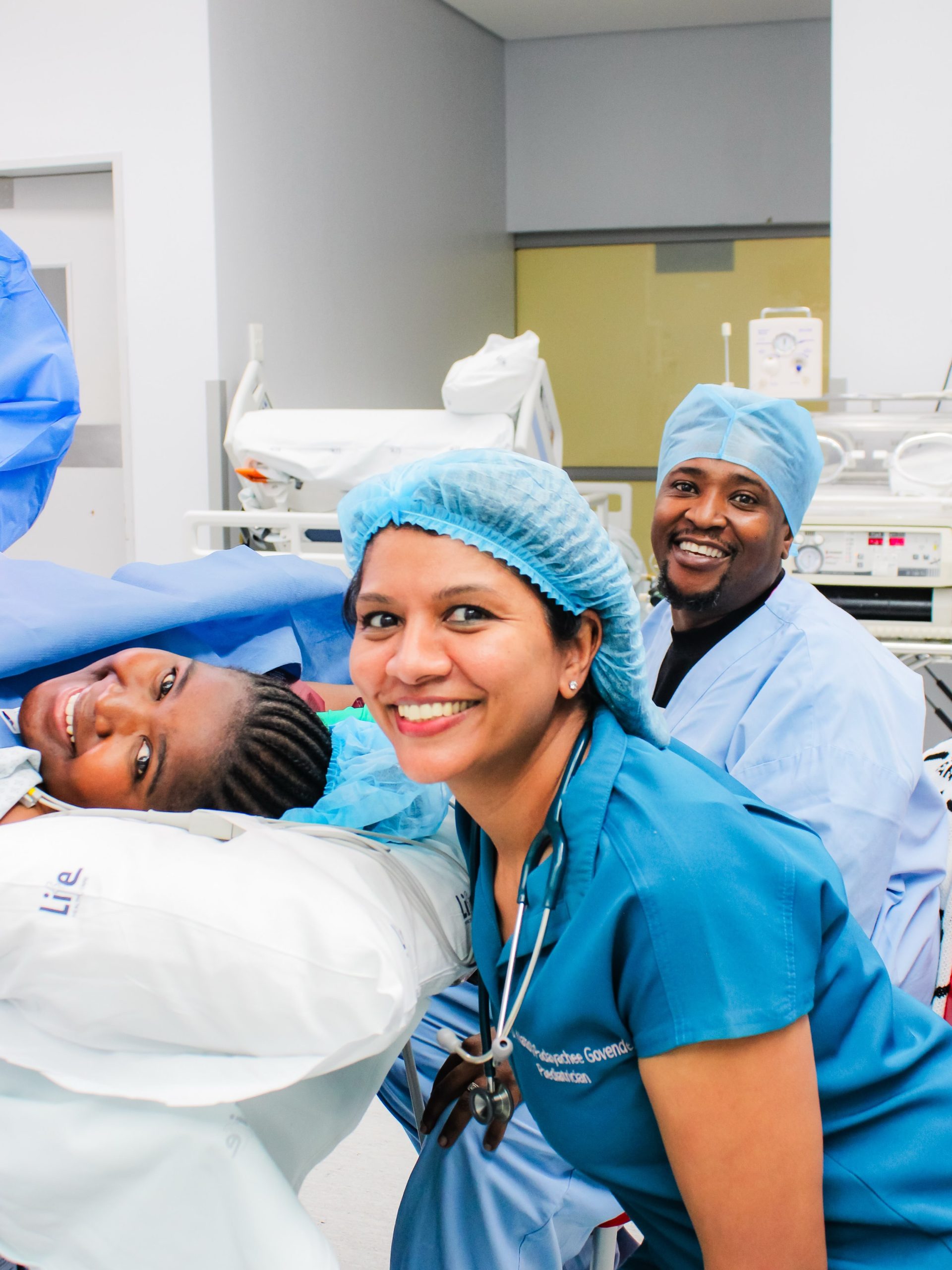
Supplied
- You’re growing your family and entering another chapter of fatherhood. Has preparing to welcome another child changed the way you think about family, responsibility, or the kind of father you want to be?
Absolutely. Welcoming another child is a reminder that fatherhood is a journey that continues to grow with you. Every child brings a new experience, a new kind of joy and a new responsibility. It makes you reflect on the kind of home you want to create and the values you want your children to carry with them.
As our family grows, I’m becoming even more conscious of the importance of being emotionally available, creating a loving environment and making sure that each child feels seen, heard and valued. I want my children to grow up knowing that they can always come to me, that they are loved unconditionally and that they never have to earn my love.
It’s also a reminder that providing for your family is about more than material things. It’s about security, guidance, affection and building memories together. This next chapter is something I’m grateful for, and I look forward to continuing to grow alongside my children.
- Much of your music explores love, relationships, and emotional maturity. Has becoming a father changed your understanding of love, particularly the kind of love that requires patience, sacrifice, and consistency?
Fatherhood has deepened my understanding of love in ways I could never have imagined. Before becoming a father, you can sing about love, write about it, and understand it from your own experiences. But when you have children, love takes on another dimension. It becomes something you practise every day, through your actions, your patience, and your willingness to put someone else’s needs before your own.
I’ve learnt that love is not only about the beautiful moments. It’s also about showing up when you’re tired, being patient when things are difficult and remaining consistent even when nobody is watching. Children need to experience love, not just hear that they are loved.
I think that understanding has also influenced my music. The message of love has always been close to my heart, but fatherhood has given that message even greater meaning. It has taught me that real love is something you nurture, protect, and demonstrate over time.
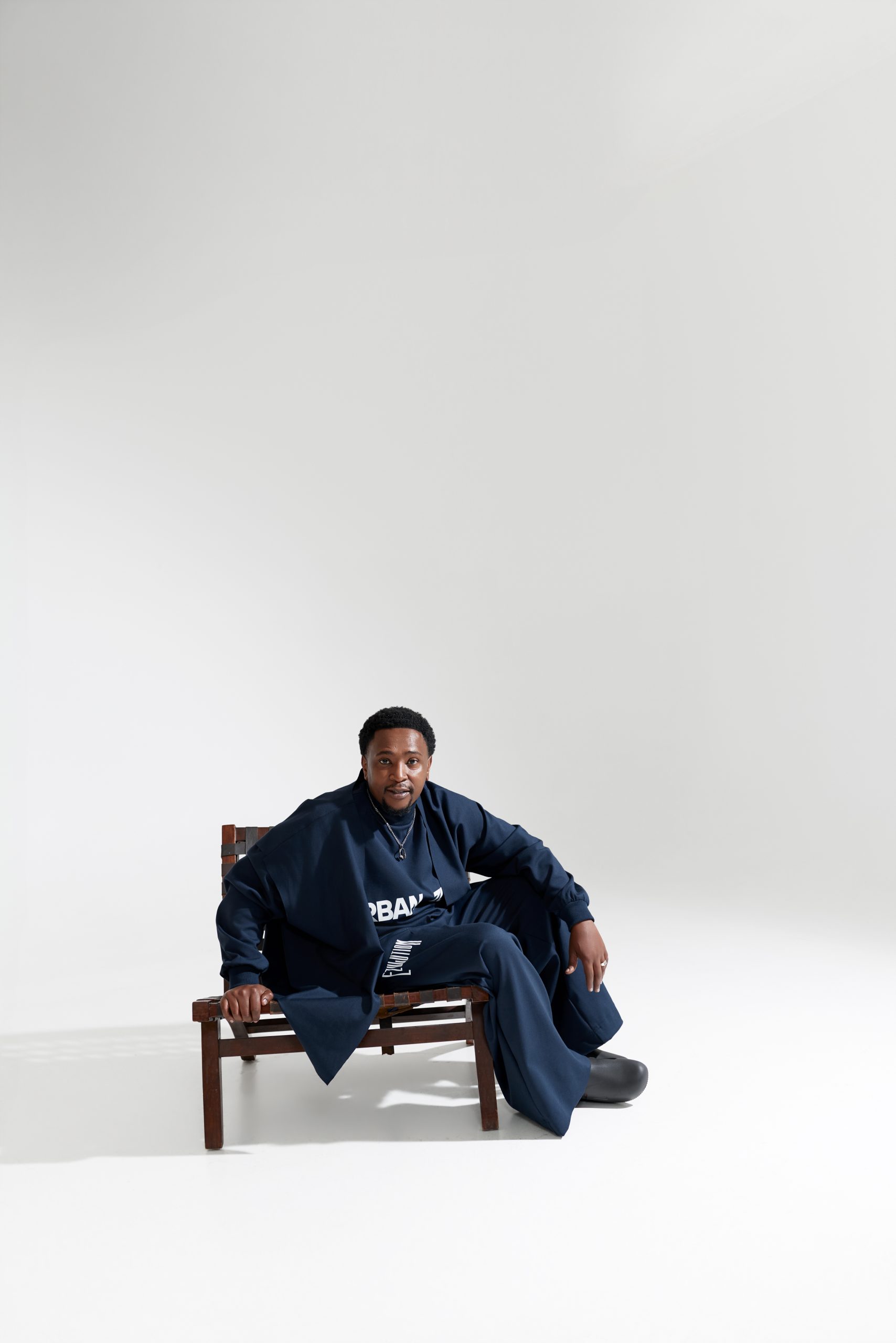
Musa | Supplied
- Losing your own father has also been part of your personal journey. How has that loss shaped the way you think about your role as a father and the memories you want to create with your own children?
Losing my father has been one of the most difficult experiences of my life. When you lose a parent, you begin to understand the value of the time you have with the people you love. There are moments when you wish you could pick up the phone, ask for advice, or simply sit with your father and hear his voice again.
That loss has made me more conscious of the role I play in my children’s lives. I understand that time is precious, and I don’t want to take the opportunity to be their father for granted. I want to create memories that they can carry with them long after the moment has passed.
I want my children to remember the laughter, the conversations, the lessons, and the love. I want them to know who I am beyond the music, and to feel that they had a father who was present, who listened and who loved them deeply.
Although my father is no longer physically here, his memory remains part of my journey. In many ways, becoming a father myself has given me a deeper appreciation of the legacy parents leave behind. It reminds me that the love we give our children becomes part of who they are.
- You’ve spoken openly about living with dyslexia and your plans to support children through your Dyslexia Foundation. As a parent, how important is it to you that children are understood for how they learn and process the world, rather than being defined by what they may struggle with?
This is incredibly important to me, both as someone who lives with dyslexia and as a father. I understand that children don’t all learn in the same way or at the same pace. Sometimes, a child may struggle with something that comes easily to others, but that does not mean they lack intelligence, creativity, or potential.
One of the things I want children to understand is that their challenges do not define them. They deserve to be supported, encouraged and given the opportunity to discover their strengths. The way a child learns should never become a reason for them to feel less capable or less worthy.
As a parent, I want to create an environment where children feel safe enough to ask questions, make mistakes and learn without fear of being judged. And through my Dyslexia Foundation, I hope to help create greater awareness, understanding and support for children who experience the world differently.
My own journey has shown me that with the right support, encouragement and belief, children can discover just how much they are capable of achieving. Sometimes, what a child needs most is for someone to believe in them before they fully believe in themselves.
- You’ve described spending more time at home, with family and on the farm as something that helped reconnect you creatively. What has slowing down taught you about the life you want to build outside of music?
Slowing down has taught me the importance of being intentional about how I spend my time and what I consider meaningful. As artists, we can become so focused on the next song, the next performance, or the next milestone that we forget to appreciate the life happening around us.
Spending more time at home, with my family and on the farm has given me space to breathe, reflect and reconnect with myself. There is something grounding about being close to nature, working with your hands and enjoying the simple things in life. It reminds me that there is more to who I am than what I do on stage.
I’ve realised that I want to build a life that has balance, where my career can grow without taking me away from the people and things that matter most. I want my children to experience a father who is not only working to build a future for them but is also present enough to enjoy that future with them.
Interestingly, that stillness has also helped me creatively. When you make room for life, you create room for inspiration. UHAMBO is a reflection of that journey, and I’ve come to understand that sometimes you have to slow down to hear what your heart is trying to tell you.
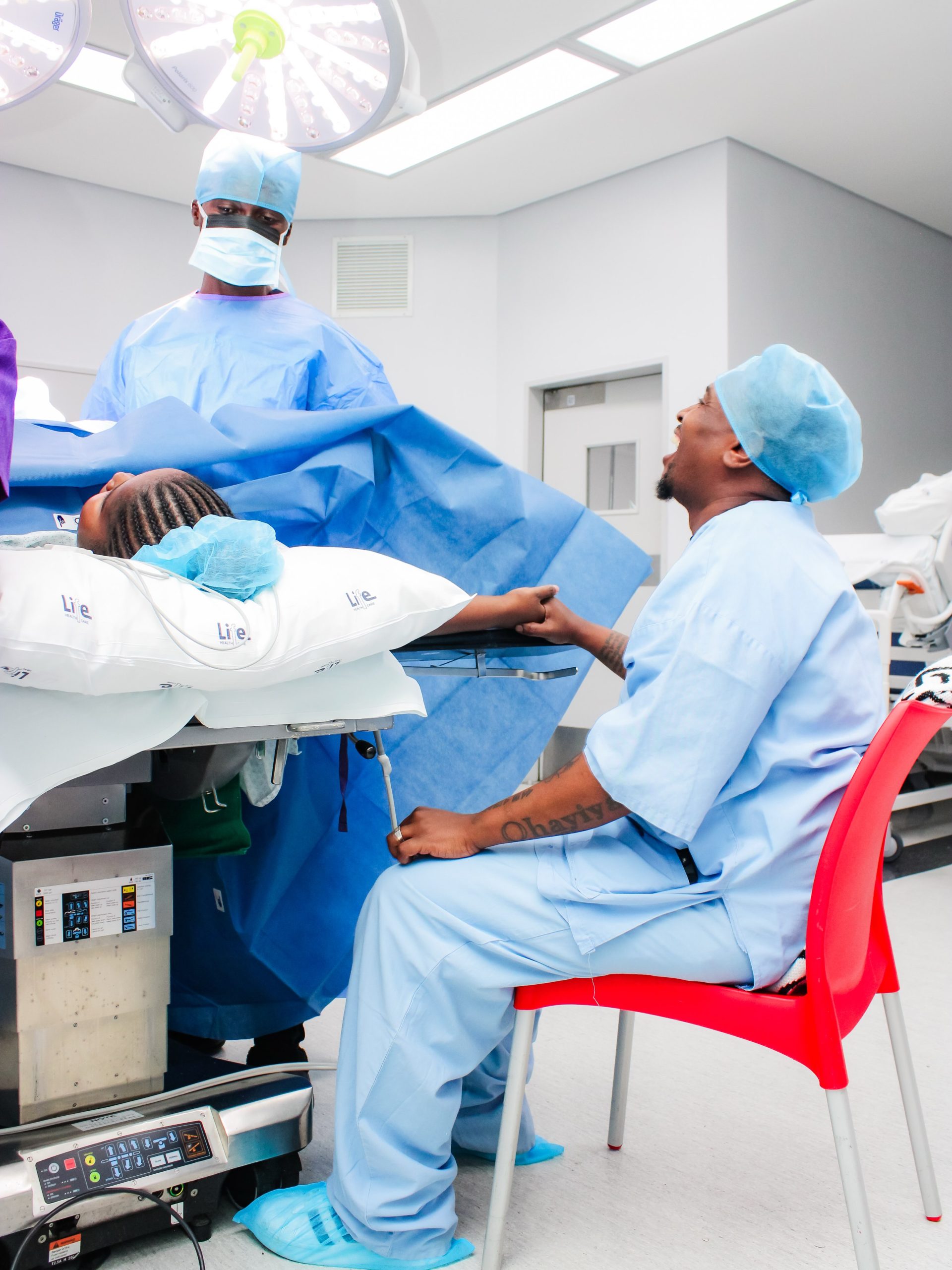
Supplied
- When your children are old enough to fully understand who MUSA the artist is, what do you hope they will be most proud of: not just in your career, but in the man and father you have been?
I hope my children will be proud of the music I’ve made and the journey I’ve travelled, but more than anything, I hope they will be proud of the man behind the music.
I want them to see someone who worked hard, believed in his dreams, and never allowed life’s challenges to stop him from moving forward. But I also want them to see a man who understood that success means very little if you lose sight of the people you love along the way.
I hope they will be proud of the values I’ve tried to live by: love, humility, kindness, resilience, and respect for others. I want them to know that I did my best to be there for them, to guide them, to listen to them and to give them the freedom to become their own people.
If, one day, they can say that their father made them feel loved, supported, and proud of who they are, then that will mean more to me than any award or achievement.
Music is a legacy I hope to leave with the world, but the greatest legacy I want to leave is in my children. That, for me, is what UHAMBO is really about — the journey of becoming, the love we share and the people we leave a little better because we were part of their lives.
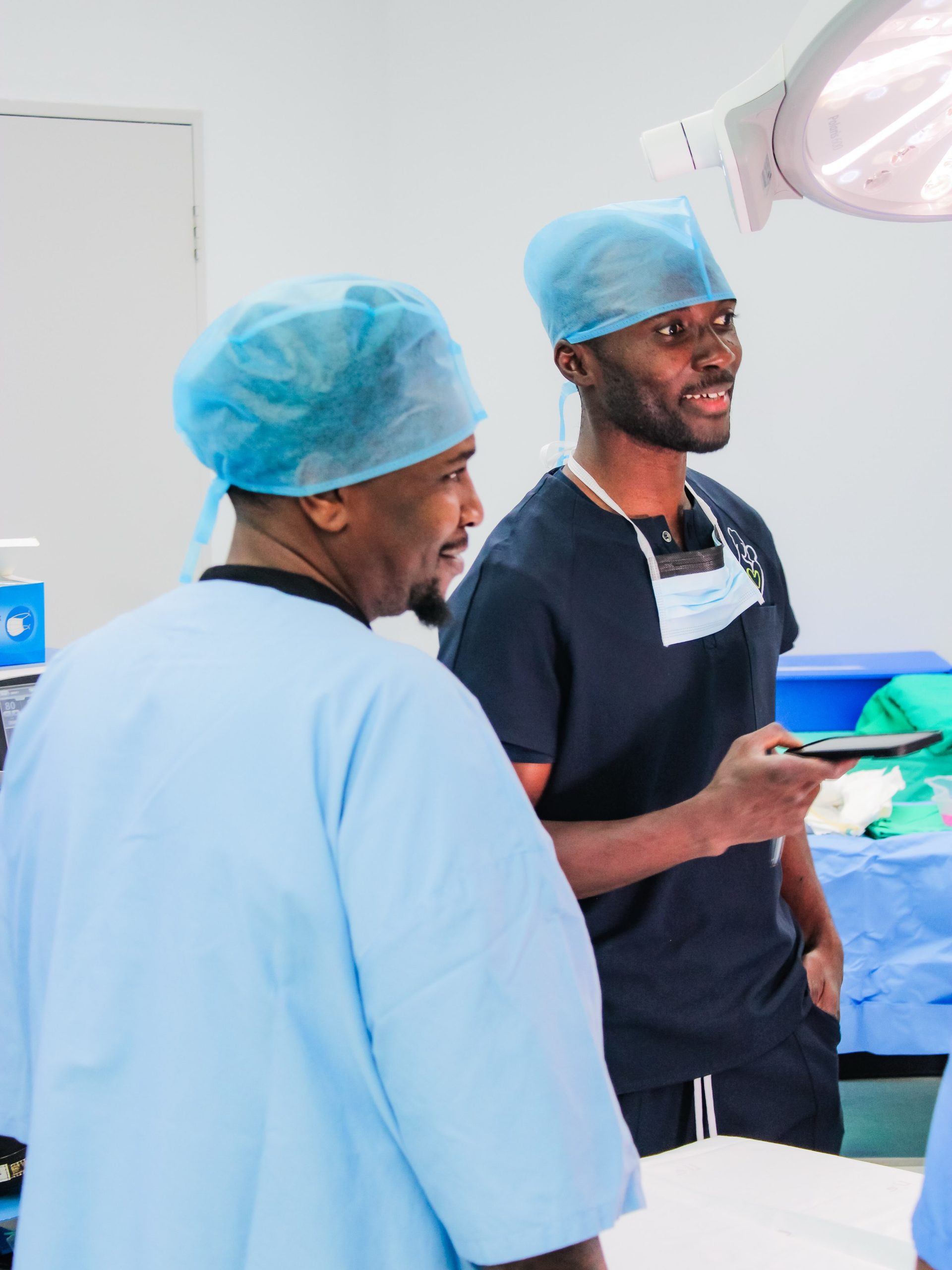
Supplied


