
How to Help Your Child Manage Separation Anxiety

Share
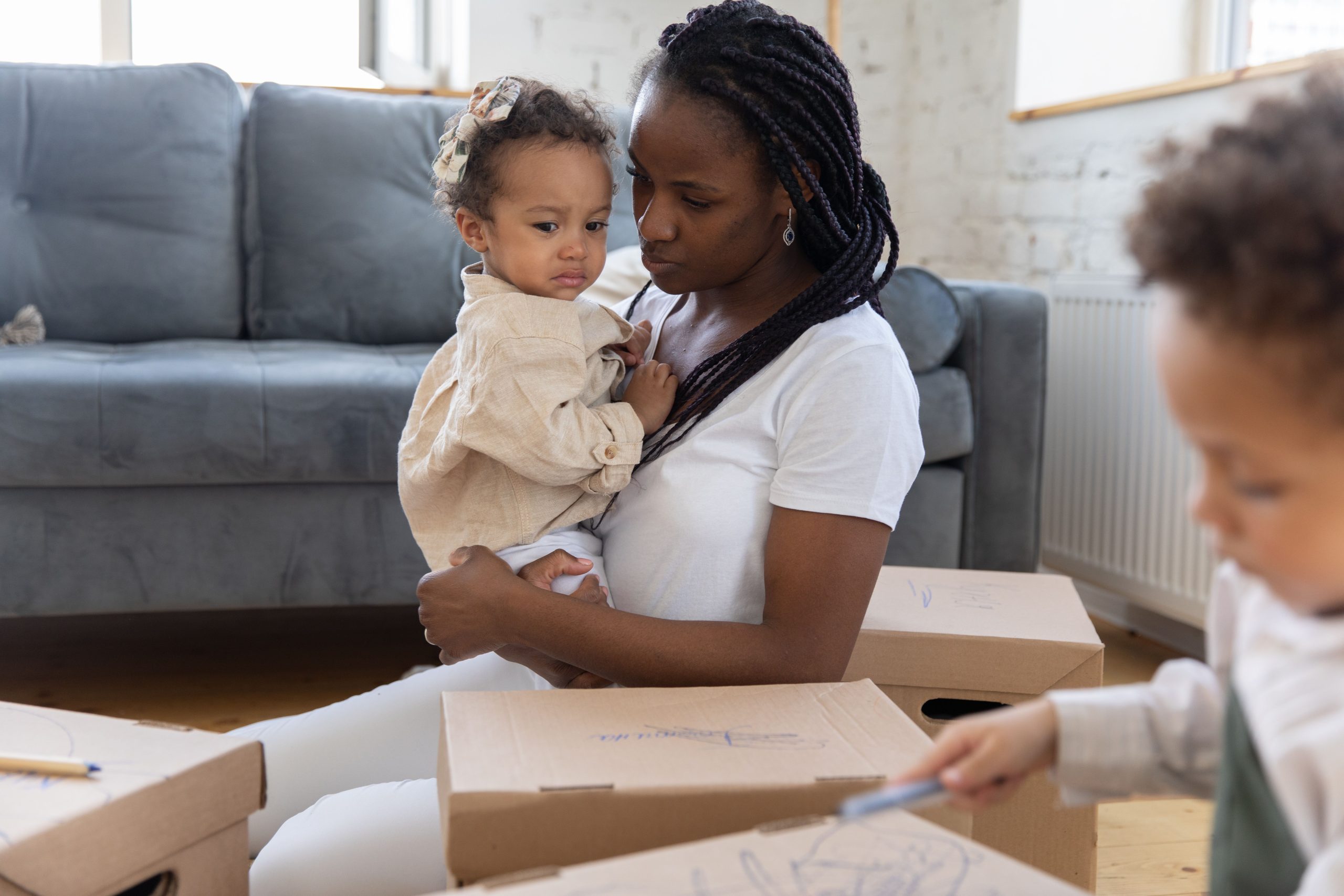
Understanding separation anxiety and helping your little one feel safe, secure and confident when you’re apart.
The tears begin as soon as you reach the preschool gate. Little arms wrap tightly around your legs, and suddenly, the simple act of saying goodbye becomes an emotional struggle. Whether you are dropping your child off at school, leaving them with a relative or returning to work after spending time at home, separation can be difficult for both of you.
Although these moments can leave parents feeling guilty or worried, separation anxiety is a common part of early childhood development. With patience, reassurance and consistent routines, parents can help their little ones gradually become more comfortable with spending time apart.
Understanding separation anxiety
Separation anxiety occurs when a child becomes distressed at the thought of being away from a parent or another familiar caregiver. It is particularly common between six months and three years of age, when children are still developing their understanding of separation and learning that the people they love will return.
For young children, a parent leaving the room can feel much more significant than it might to an adult. They may not yet fully understand when they will see their caregiver again, making goodbyes an unsettling experience. Separation anxiety can also resurface in older children during periods of change, such as starting preschool, moving to a new home or welcoming a new sibling.
Pexel Images
Recognising the signs
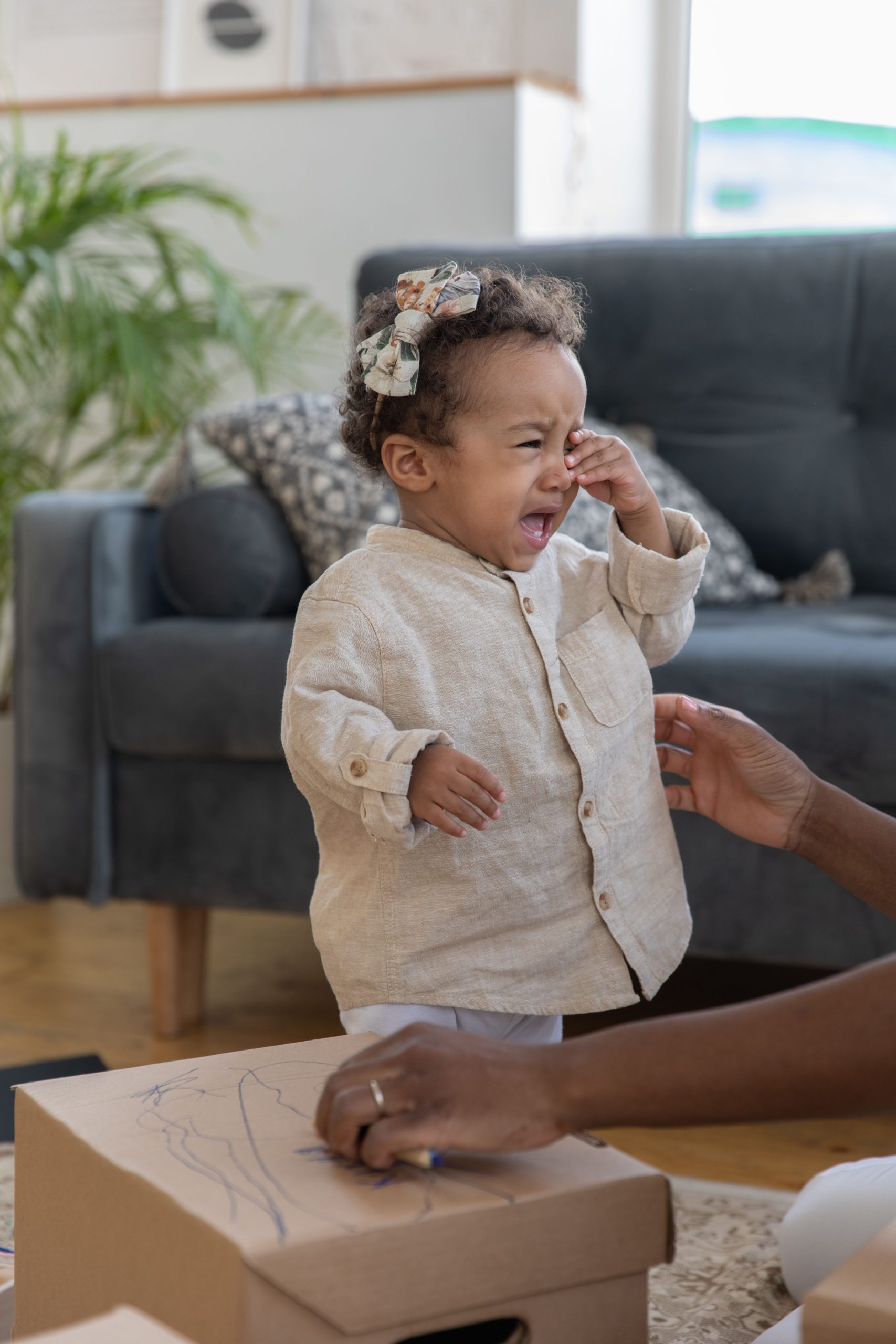
Separation anxiety can look different from one child to another. Some little ones cry or cling to their parents during drop-off, while others become unusually quiet, anxious or reluctant to enter unfamiliar environments. A child who previously settled comfortably at bedtime may suddenly insist on having a parent nearby, wake during the night or struggle to fall asleep alone.
Some children may also become more dependent on their caregivers when adjusting to a new situation. These changes do not automatically mean something is wrong. They can be a child’s way of seeking reassurance while getting used to a new experience.
Rather than dismissing these reactions as difficult behaviour, parents can view them as an opportunity to understand what their child is feeling and offer the support they need.
Make goodbyes easier with a predictable routine
One of the most helpful ways to manage separation anxiety is to establish a goodbye routine that your child can become familiar with. This might include a cuddle, a kiss, a special phrase or a wave at the classroom door. Keeping the routine consistent helps children know what to expect when it is time for you to leave.
Although it can be tempting to prolong the goodbye when your child becomes upset, a calm and affectionate departure is generally more helpful than repeatedly returning to say goodbye. Let your little one know that you are leaving, reassure them that you will return and follow through on that promise.
It is equally important to avoid sneaking away without saying goodbye. While this might seem like an easier option in the moment, it can make a child more uncertain about when their caregiver might disappear. A predictable farewell helps build trust over time.
Pexel Images
Help your child understand when you will return
Young children may not understand time in the same way adults do, so saying that you will be back in a few hours may not offer much reassurance. Instead, connect your return to something familiar in their day.
You could say, “I will come back to fetch you after lunch” or “When you have finished playing outside, I will be here to take you home.” These simple explanations help children develop a better understanding of what to expect.
It is important to make promises you can keep. Returning when you said you would reinforces the idea that separations are temporary and that your child can trust you to come back.
Build confidence through small steps
If your child struggles to spend time away from you, gradually introducing short separations may help them become more comfortable. You could begin by leaving them with a trusted family member while you run a brief errand, then slowly increase the time apart as they become more settled.
When preparing for preschool or introducing a new caregiver, give your child opportunities to become familiar with the environment and the person who will be looking after them. Where possible, spend some time together before leaving your child in their care.
A familiar comfort object, such as a soft toy or blanket, may also help your little one feel more secure during transitions. Check with the childcare provider about what your child can bring, particularly if they are very young.
Respond to their feelings with compassion
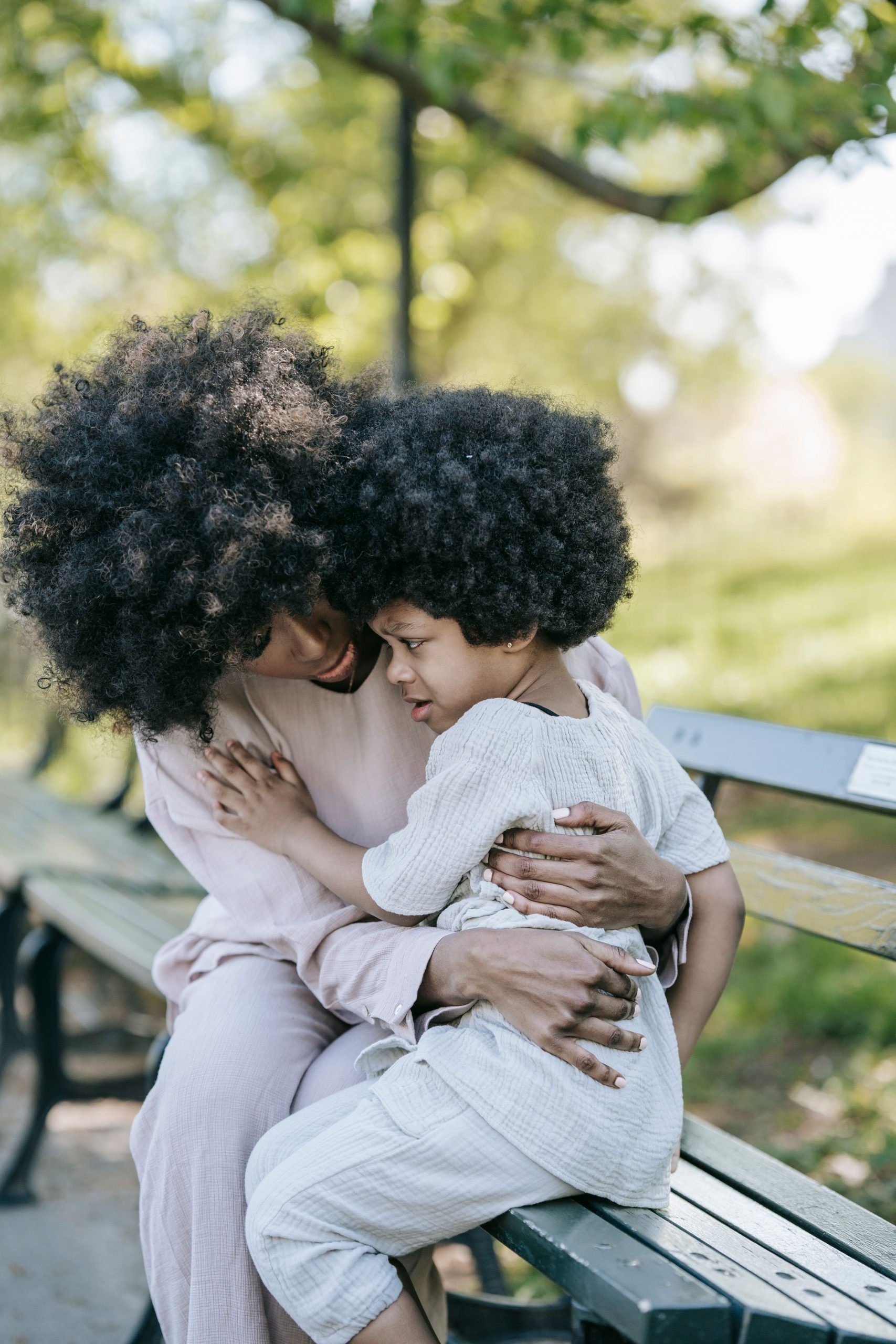
When a child cries at the thought of being separated, it can be tempting to tell them that there is nothing to worry about. However, what feels manageable to an adult may feel overwhelming to a young child who is still learning to understand their emotions.
Acknowledge their feelings instead. You might say, “I know you feel sad when I leave, but I will come back to fetch you.” This reassures your child that their feelings are understood while helping them learn that they can manage the experience.
Pay attention to changes in their behaviour, too. Increased clinginess, disrupted sleep or a sudden reluctance to participate in familiar activities may indicate that your child needs additional reassurance during a period of change.
Pexel Images
Remember to be kind to yourself, too
Watching your child cry as you leave can be heartbreaking, particularly when you have to balance work, family responsibilities and other commitments. It is natural to wish you could stay until they feel completely comfortable, but needing to leave your child with a trusted caregiver does not mean you are letting them down.
Building independence takes time, and children develop at different paces. Rather than expecting your little one to stop feeling anxious immediately, focus on helping them experience separations in a supportive and predictable way. Working with their teacher or caregiver can also help ensure that everyone responds consistently to their needs.
If your child’s distress remains intense, lasts for several weeks without improvement or begins to interfere with everyday activities, sleep, school attendance or family life, consider speaking to your GP or a child health professional. They can help you understand what your child is experiencing and whether additional support may be beneficial.
Ultimately, helping a child manage separation anxiety is not about teaching them that they should never feel sad when you leave. It is about showing them, through reassurance and consistency, that they can feel safe even when you are not beside them. With time, patience and loving support, those difficult goodbyes can become easier for both of you.


